Department of Molecular Medicine, Faculty of Medicine, University of Malaya, 50603, Kuala Lumpur, Malaysia.
BMC Complement Altern Med. 2013 May 29;13:118. doi: 10.1186/1472-6882-13-118.
Diabetes is a serious metabolic disorder affecting the metabolism of carbohydrate, protein and fat. A number of studies have shown that diabetes mellitus is associated with oxidative stress, leading to an increased production of reactive oxygen species. Ficus deltoidea is traditionally used in Malaysia for regulating blood sugar, blood pressure and cholesterol levels. The use of F. deltoidea as an alternative medicinal herb is increasingly gaining popularity with the sale of F. deltoidea tea bags and capsules in the local market. The present study was undertaken to investigate the antidiabetic and antioxidant activities of the fruits from different varieties of F. deltoidea, employing in vitro methods.
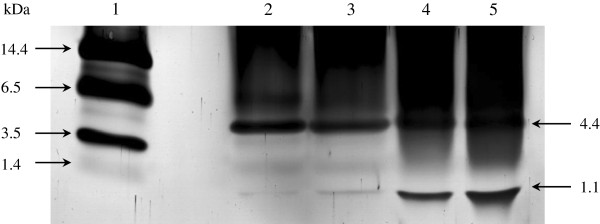
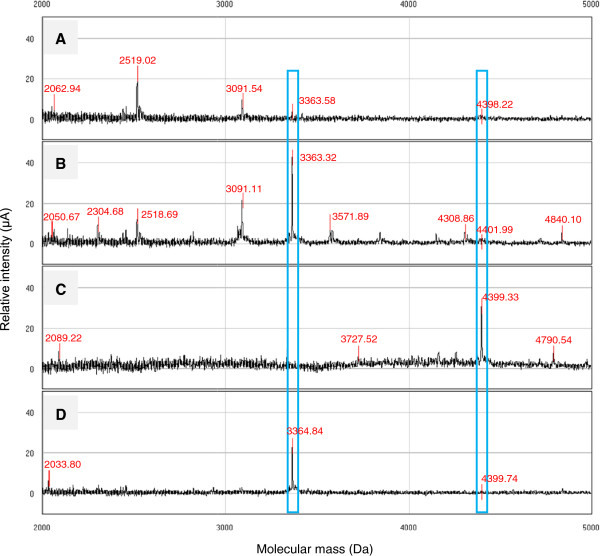
Two fruit varieties of F. deltoidea (var. angustifolia (SF) and var. kunstleri (BF)) were extracted separately using double-distilled water. The resulting aqueous extracts were partitioned using ethyl acetate to obtain the ethyl acetate and water fractions. The crude aqueous extracts and the corresponding fractions were evaluated for their phenolic, flavonoid, sugar and protein contents. Protein profiling of the extracts and fractions were also carried out by means of SDS-PAGE and SELDI-TOF MS. Antidiabetic activities were assessed based on the ability of the samples to inhibit yeast and mammalian α-glucosidase as well as α-amylase. Antioxidant capacities were examined by measuring the ability of the samples to reduce ferric ions and to scavenge DPPH, superoxide anion, ABTS and nitric oxide radicals.
The crude extracts and fractions of SF and BF inhibited both yeast and rat intestinal α-glucosidases in a dose-dependent manner, but did not inhibit porcine pancreatic α-amylase. The water fraction of BF showed the highest percentage of α-glucosidase inhibition while having the highest amount of protein (73.33 ± 4.99 μg/mg fraction). All the extracts and fractions exhibited antioxidant activities, with SF crude extract showing the highest antioxidant activity and phenolic content (121.62 ± 4.86 mg/g extract). Fractionation of the crude extracts resulted in loss of antioxidant activities. There was no positive correlation between phenolic and flavonoid content with α-glucosidase inhibitory activities. However, phenolic content correlated well with antioxidant activities of the crude extracts but not with the fractions.
The antioxidant activities of the fruits of F. deltoidea might be asserted by the phenolic content but other polar plant components were possibly involved in the antidiabetic properties. The study of these compounds having both antihyperglycemic and antioxidant activities may provide a new approach in the treatment of diabetes mellitus.
糖尿病是一种严重的代谢紊乱,影响碳水化合物、蛋白质和脂肪的代谢。许多研究表明,糖尿病与氧化应激有关,导致活性氧的产生增加。榕属植物在马来西亚传统上用于调节血糖、血压和胆固醇水平。榕属植物作为替代药用植物的使用越来越受欢迎,当地市场上销售榕属植物茶包和胶囊。本研究采用体外方法,研究了不同品种榕属植物果实的降血糖和抗氧化活性。
分别用双蒸水提取两种榕属植物果实(var. angustifolia (SF) 和 var. kunstleri (BF))。将得到的水提取物用乙酸乙酯萃取,得到乙酸乙酯和水相。对粗提物水相及其相应的相进行酚类、黄酮类、糖和蛋白质含量的测定。采用 SDS-PAGE 和 SELDI-TOF MS 对提取物和各相进行蛋白质谱分析。根据样品抑制酵母和哺乳动物α-葡萄糖苷酶以及α-淀粉酶的能力来评估其降血糖活性。通过测量样品还原铁离子和清除 DPPH、超氧阴离子、ABTS 和一氧化氮自由基的能力来检测抗氧化能力。
SF 和 BF 的粗提物及其各相均能剂量依赖性地抑制酵母和大鼠肠α-葡萄糖苷酶,但不能抑制猪胰腺α-淀粉酶。BF 的水相抑制α-葡萄糖苷酶的百分比较高,而其蛋白质含量最高(73.33±4.99μg/mg 相)。所有提取物和各相均表现出抗氧化活性,SF 粗提取物的抗氧化活性和酚类含量最高(121.62±4.86mg/g 提取物)。粗提取物的分级分离导致抗氧化活性丧失。酚类和黄酮类含量与α-葡萄糖苷酶抑制活性之间无正相关关系。然而,酚类含量与粗提取物的抗氧化活性相关性较好,但与各相无相关性。
榕属植物果实的抗氧化活性可能归因于酚类含量,但其他极性植物成分可能参与了降血糖作用。研究这些同时具有降血糖和抗氧化活性的化合物可能为治疗糖尿病提供一种新方法。