School of Social and Community Medicine, University of Bristol, Canynge Hall, 39 Whatley Road, Bristol, UK.
BMC Med Res Methodol. 2013 Jun 4;13:72. doi: 10.1186/1471-2288-13-72.
Opt-in consent is usually required for research, but is known to introduce selection bias. This is a particular problem for large scale epidemiological studies using only pre-collected health data. Most previous studies have shown that members of the public value opt-in consent and can perceive research without consent as an invasion of privacy. Past research has suggested that people are generally unaware of research processes and existing safeguards, and that education may increase the acceptability of research without prior informed consent, but this recommendation has not been formally evaluated. Our objectives were to determine the range of public opinion about the use of existing medical data for research and to explore views about consent to a secondary review of medical records for research. We also investigated the effect of the provision of detailed information about the potential effect of selection bias on public acceptability of the use of data for research.
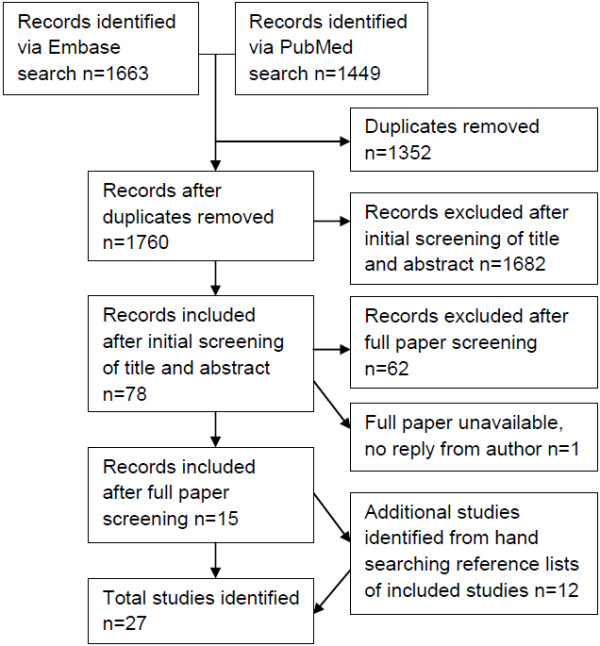
We carried out a systematic review of existing literature on public attitudes to secondary use of existing health records identified by searching PubMed (1966-present), Embase (1974-present) and reference lists of identified studies to provide a general overview, followed by a qualitative focus group study with 19 older men recruited from rural and suburban primary care practices in the UK to explore key issues in detail.
The systematic review identified twenty-seven relevant papers and the findings suggested that males and older people were more likely to consent to a review of their medical data. Many studies noted participants' lack of knowledge about research processes and existing safeguards and this was reflected in the focus groups. Focus group participants became more accepting of the use of pre-collected medical data without consent after being given information about selection bias and research processes. All participants were keen to contribute to NHS-related research but some were concerned about data-sharing for commercial gain and the potential misuse of information.
Increasing public education about research and specific targeted information provision could promote trust in research processes and safeguards, which in turn could increase the acceptability of research without specific consent where the need for consent would lead to biased findings and impede research necessary to improve public health.
研究通常需要获得同意,但这会引入选择偏倚。对于仅使用预先收集的健康数据的大规模流行病学研究,这是一个特别的问题。大多数先前的研究表明,公众重视选择同意,并且可以将未经同意的研究视为侵犯隐私。过去的研究表明,人们通常不了解研究过程和现有保障措施,并且教育可能会增加在没有事先知情同意的情况下进行研究的可接受性,但这一建议尚未得到正式评估。我们的目标是确定公众对使用现有医疗数据进行研究的意见范围,并探讨对医疗记录进行二次审查以进行研究的看法。我们还研究了提供有关选择偏倚潜在影响的详细信息对数据用于研究的公众可接受性的影响。
我们通过搜索 PubMed(1966 年至今)、Embase(1974 年至今)和已确定研究的参考文献,对现有文献进行了系统回顾,以提供总体概述,然后对英国农村和郊区初级保健诊所招募的 19 名老年男性进行了定性焦点小组研究,以详细探讨关键问题。
系统回顾确定了 27 篇相关论文,研究结果表明,男性和老年人更有可能同意审查他们的医疗数据。许多研究都指出参与者对研究过程和现有保障措施缺乏了解,这在焦点小组中得到了反映。在提供了有关选择偏倚和研究过程的信息后,焦点小组参与者对无需同意即可使用预先收集的医疗数据变得更加接受。所有参与者都热衷于为 NHS 相关研究做出贡献,但有些人担心数据共享会带来商业利益,以及信息可能被滥用。
增加公众对研究的教育和具体的针对性信息提供,可以促进对研究过程和保障措施的信任,这反过来又可以提高在无需特定同意的情况下进行研究的可接受性,在这种情况下,同意可能会导致有偏倚的发现,并阻碍改善公共卫生所需的研究。