Department of Applied Cosmetology and Master Program of Cosmetic Science, Hungkuang University, Taichung 43302, Taiwan.
Molecules. 2013 Jun 3;18(6):6521-31. doi: 10.3390/molecules18066521.
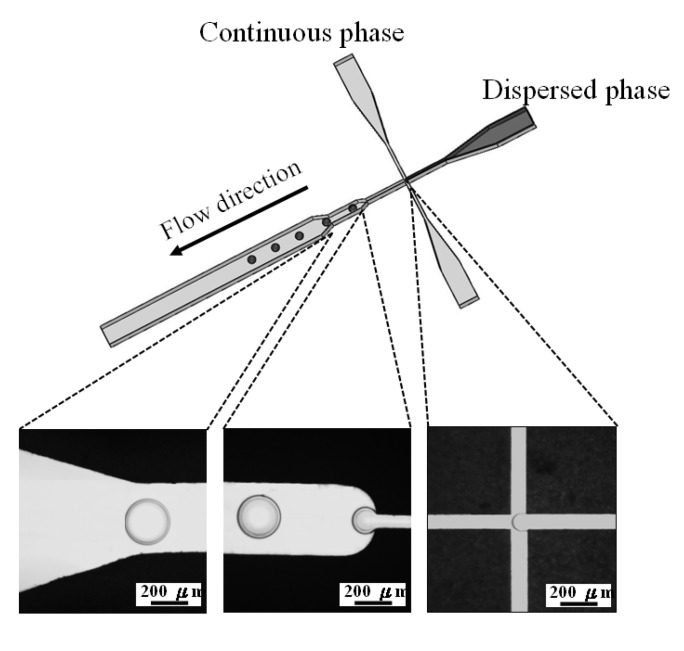
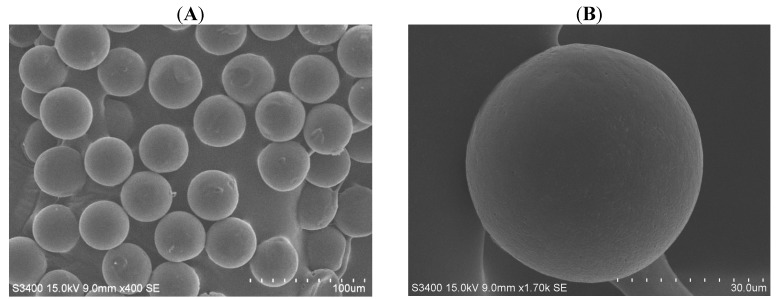
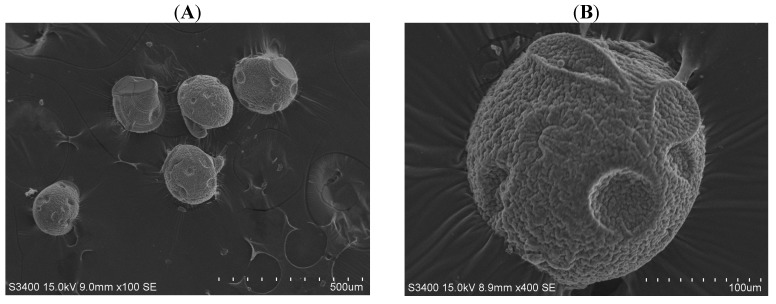
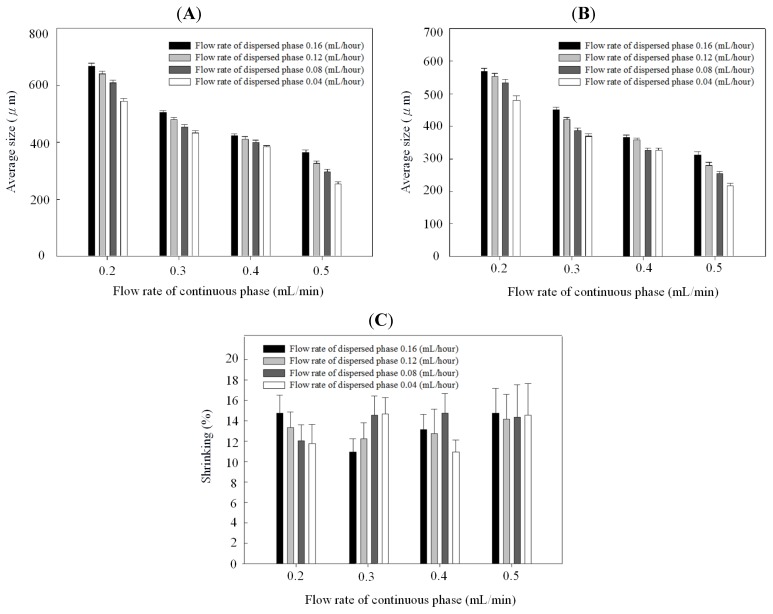
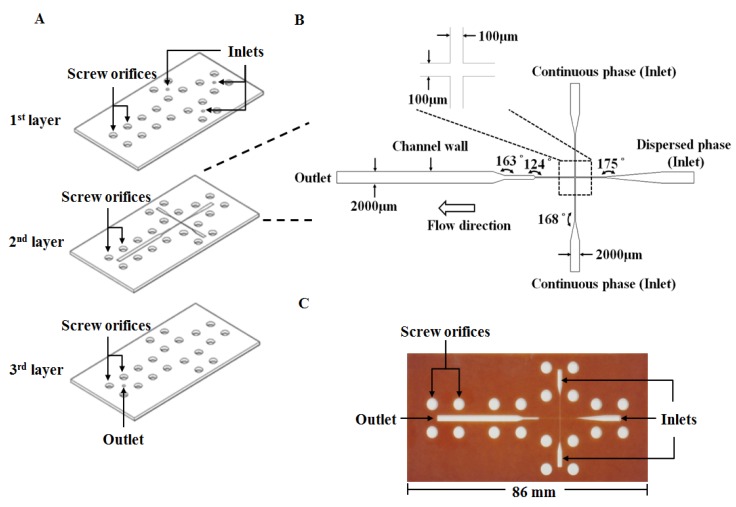
This study develops a new solvent-compatible microfluidic chip based on phenol formaldehyde resin (PFR). In addition to its solvent-resistant characteristics, this microfluidic platform also features easy fabrication, organization, decomposition for cleaning, and reusability compared with conventional chips. Both solvent-dependent (e.g., polycaprolactone) and nonsolvent-dependent (e.g., chitosan) microparticles were successfully prepared. The size of emulsion droplets could be easily adjusted by tuning the flow rates of the dispersed/continuous phases. After evaporation, polycaprolactone microparticles ranging from 29.3 to 62.7 μm and chitosan microparticles ranging from 215.5 to 566.3 μm were obtained with a 10% relative standard deviation in size. The proposed PFR microfluidic platform has the advantages of active control of the particle size with a narrow size distribution as well as a simple and low cost process with a high throughput.
本研究开发了一种基于酚醛树脂(PFR)的新型溶剂兼容微流控芯片。与传统芯片相比,这种微流控平台除了具有耐溶剂的特点外,还具有易于制造、组织、分解清洁和重复使用的特点。成功制备了依赖溶剂(例如聚己内酯)和非溶剂依赖(例如壳聚糖)的微颗粒。通过调节分散/连续相的流速,可以轻松调整乳液液滴的大小。蒸发后,得到的聚己内酯微球粒径为 29.3 至 62.7 μm,壳聚糖微球粒径为 215.5 至 566.3 μm,粒径的相对标准偏差为 10%。所提出的 PFR 微流控平台具有主动控制粒径和窄粒径分布的优点,以及简单、低成本、高通量的工艺。