Department of Entomology, Kansas State University, Manhattan, KS 66506, USA.
BMC Genomics. 2013 Jun 26;14:423. doi: 10.1186/1471-2164-14-423.
Wheat - Hessian fly interaction follows a typical gene-for-gene model. Hessian fly larvae die in wheat plants carrying an effective resistance gene, or thrive in susceptible plants that carry no effective resistance gene.
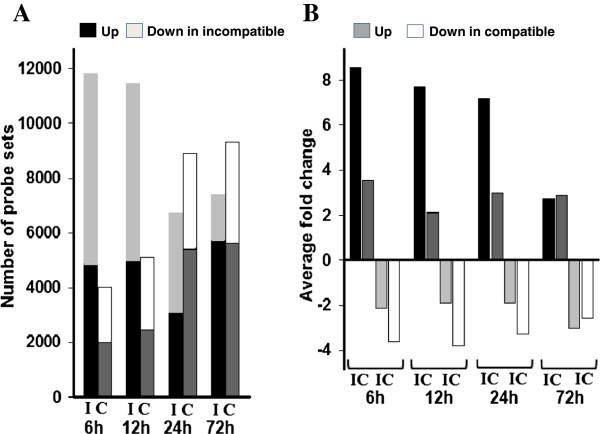
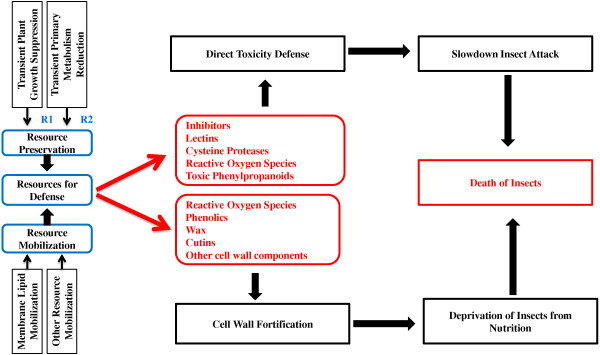
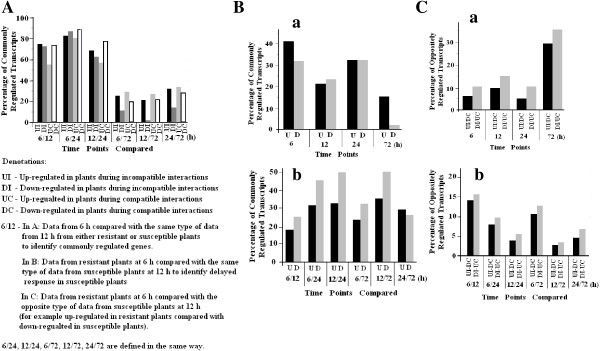
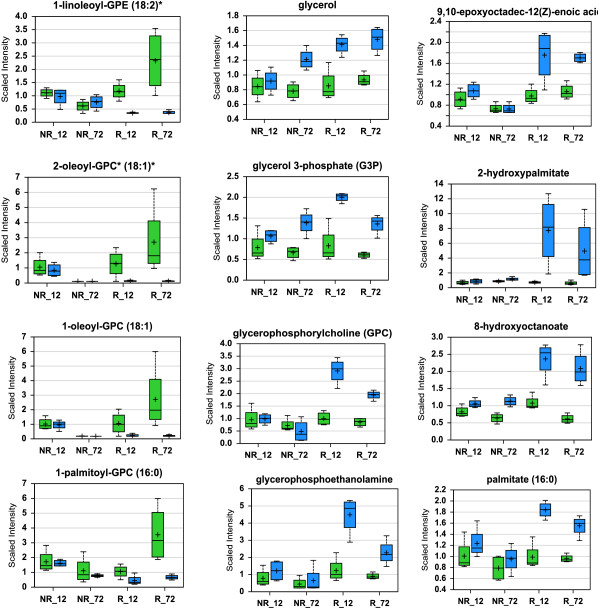
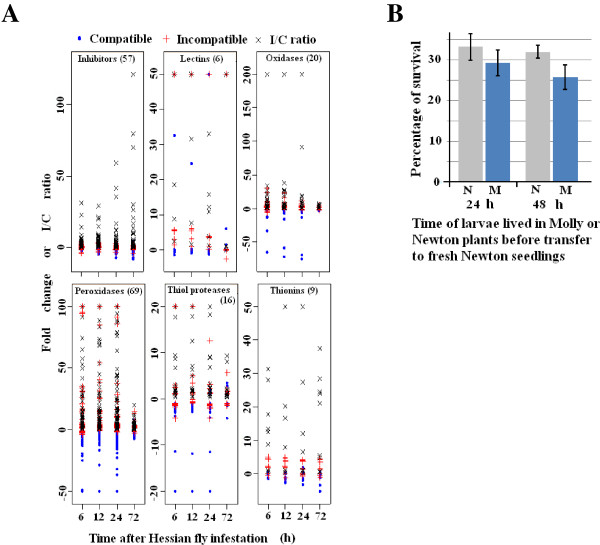
Gene sets affected by Hessian fly attack in resistant plants were found to be very different from those in susceptible plants. Differential expression of gene sets was associated with differential accumulation of intermediates in defense pathways. Our results indicated that resources were rapidly mobilized in resistant plants for defense, including extensive membrane remodeling and release of lipids, sugar catabolism, and amino acid transport and degradation. These resources were likely rapidly converted into defense molecules such as oxylipins; toxic proteins including cysteine proteases, inhibitors of digestive enzymes, and lectins; phenolics; and cell wall components. However, toxicity alone does not cause immediate lethality to Hessian fly larvae. Toxic defenses might slow down Hessian fly development and therefore give plants more time for other types of defense to become effective.
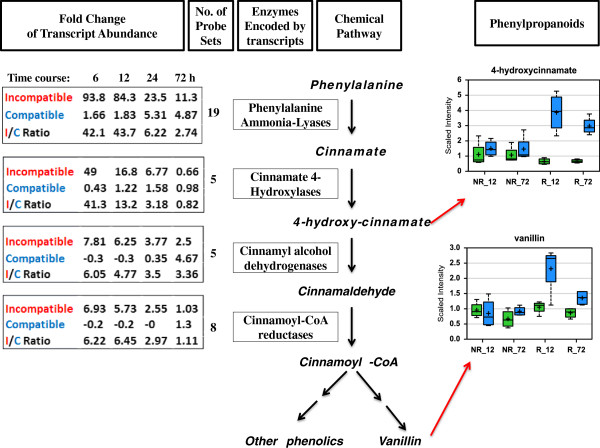
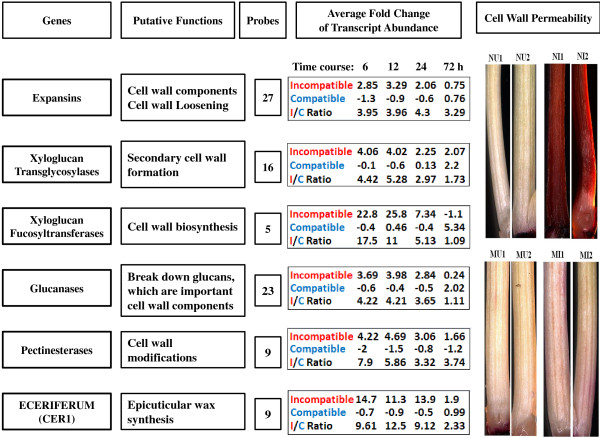
Our gene expression and metabolic profiling results suggested that remodeling and fortification of cell wall and cuticle by increased deposition of phenolics and enhanced cross-linking were likely to be crucial for insect mortality by depriving Hessian fly larvae of nutrients from host cells. The identification of a large number of genes that were differentially expressed at different time points during compatible and incompatible interactions also provided a foundation for further research on the molecular pathways that lead to wheat resistance and susceptibility to Hessian fly infestation.
小麦与意大利禾谷实蝇的互作遵循典型的基因对基因模式。意大利禾谷实蝇幼虫在携带有效抗性基因的小麦植株中死亡,而在携带无有效抗性基因的感病植株中则茁壮成长。
在抗性植株中受意大利禾谷实蝇攻击影响的基因集与在感病植株中发现的基因集非常不同。基因集的差异表达与防御途径中中间产物的差异积累有关。我们的结果表明,抗性植株中资源迅速被调动用于防御,包括广泛的膜重塑和脂质释放、糖分解代谢以及氨基酸的运输和降解。这些资源可能迅速转化为防御分子,如氧化脂类;有毒蛋白,包括半胱氨酸蛋白酶、消化酶抑制剂和凝集素;酚类;和细胞壁成分。然而,仅仅毒性并不会立即导致意大利禾谷实蝇幼虫死亡。有毒防御可能会减缓意大利禾谷实蝇的发育,从而使植物有更多的时间来产生其他类型的防御以发挥作用。
我们的基因表达和代谢谱分析结果表明,通过增加酚类物质的沉积和增强交联作用来重塑和加固细胞壁和角质层,可能是剥夺意大利禾谷实蝇幼虫从宿主细胞获取营养的关键因素,从而导致昆虫死亡。在亲和和非亲和互作过程中不同时间点差异表达的大量基因的鉴定也为进一步研究导致小麦对意大利禾谷实蝇侵染的抗性和易感性的分子途径提供了基础。