Department of Biomedical Engineering, Rutgers, The State University of New Jersey, Piscataway, NJ, USA.
Phys Chem Chem Phys. 2013 Aug 21;15(31):12785-99. doi: 10.1039/c3cp51901e.
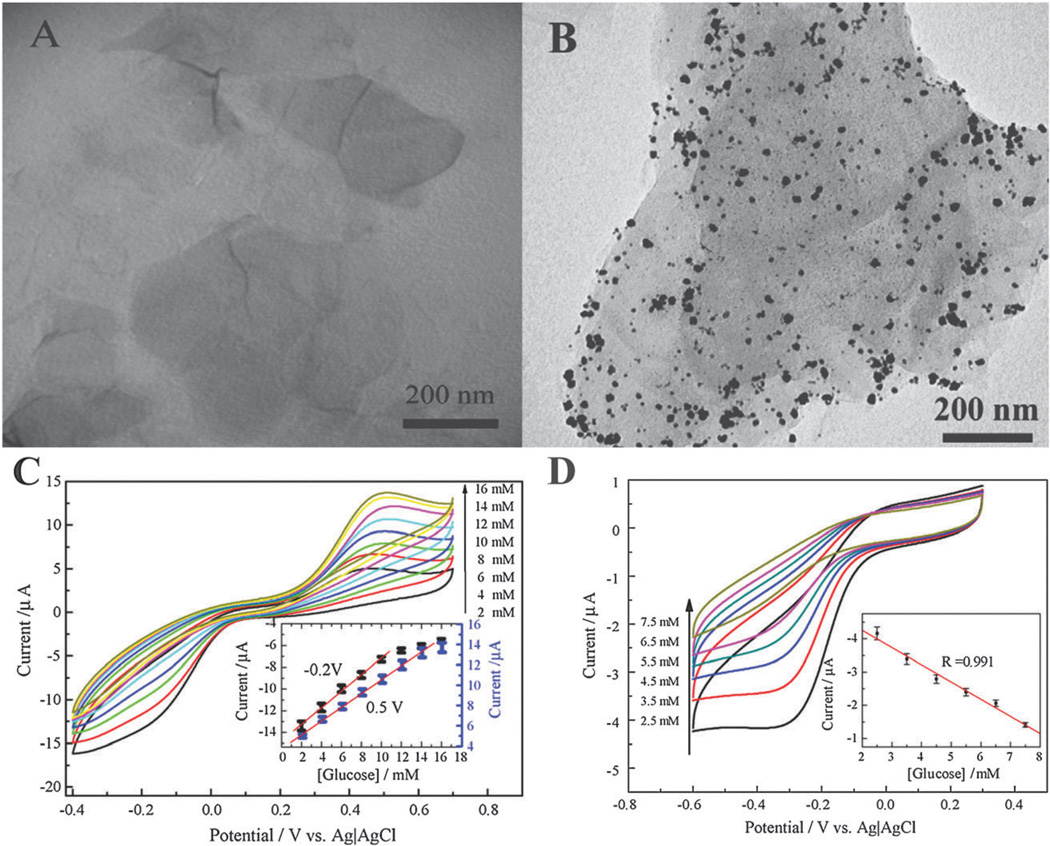
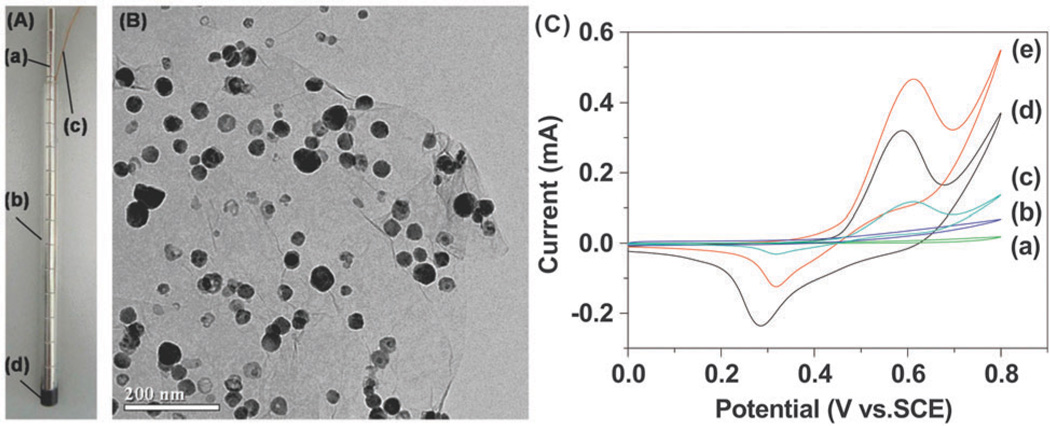
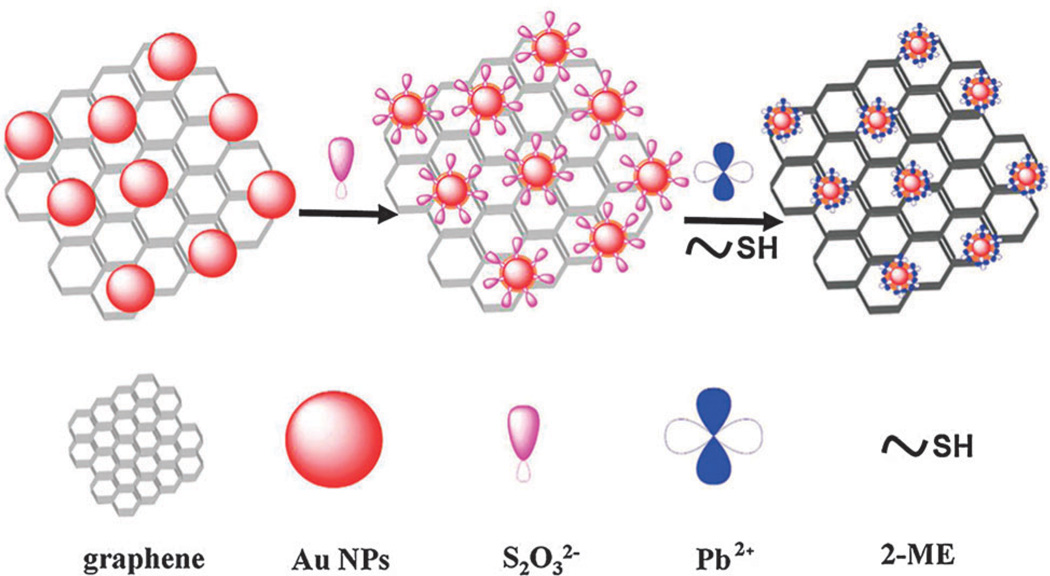
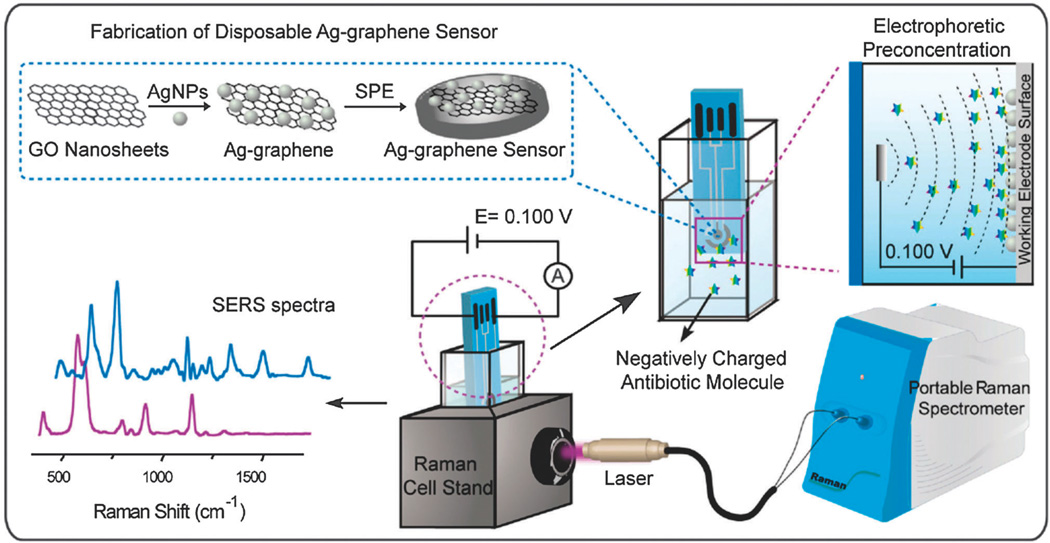
Graphene is a single-atom thick, two-dimensional sheet of carbon that is characterized by exceptional chemical, electrical, material, optical, and physical properties. As a result, graphene and related materials, such as graphene oxide and reduced graphene oxide, have been brought to the forefront in the field of sensing. Recently, a number of reports have demonstrated that graphene-nanoparticle hybrid structures can act synergistically to offer a number of unique physicochemical properties that are desirable and advantageous for sensing applications. These graphene-nanoparticle hybrid structures are particularly interesting because not only do they display the individual properties of the nanoparticles and of graphene, but they can also exhibit additional synergistic properties thereby enhancing the achievable sensitivity and selectivity using a variety of sensing mechanisms. As such, in this perspective, we will discuss the progress that has been made in the development and application of graphene-nanoparticle hybrid sensors and their future prospects. In particular, we will focus on the preparation of graphene-nanoparticle hybrid structures as well as their application in electronic, electrochemical, and optical sensors.
石墨烯是一种单层原子厚的二维碳片,具有出色的化学、电学、材料、光学和物理特性。因此,石墨烯和相关材料,如氧化石墨烯和还原氧化石墨烯,在传感领域引起了广泛关注。最近,许多报告表明,石墨烯-纳米粒子杂化结构可以协同作用,提供一系列独特的物理化学性质,这些性质是传感应用所需要的和有利的。这些石墨烯-纳米粒子杂化结构特别有趣,因为它们不仅显示出纳米粒子和石墨烯的单独性质,而且还可以表现出额外的协同性质,从而通过各种传感机制提高可实现的灵敏度和选择性。因此,在本观点中,我们将讨论在开发和应用石墨烯-纳米粒子杂化传感器方面所取得的进展及其未来前景。特别是,我们将重点介绍石墨烯-纳米粒子杂化结构的制备及其在电子、电化学和光学传感器中的应用。