Institute of Integrative Biology, University of Liverpool, Neston, Cheshire, United Kingdom.
PLoS One. 2013 Jun 20;8(6):e66401. doi: 10.1371/journal.pone.0066401. Print 2013.
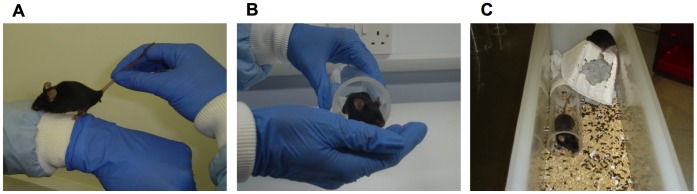
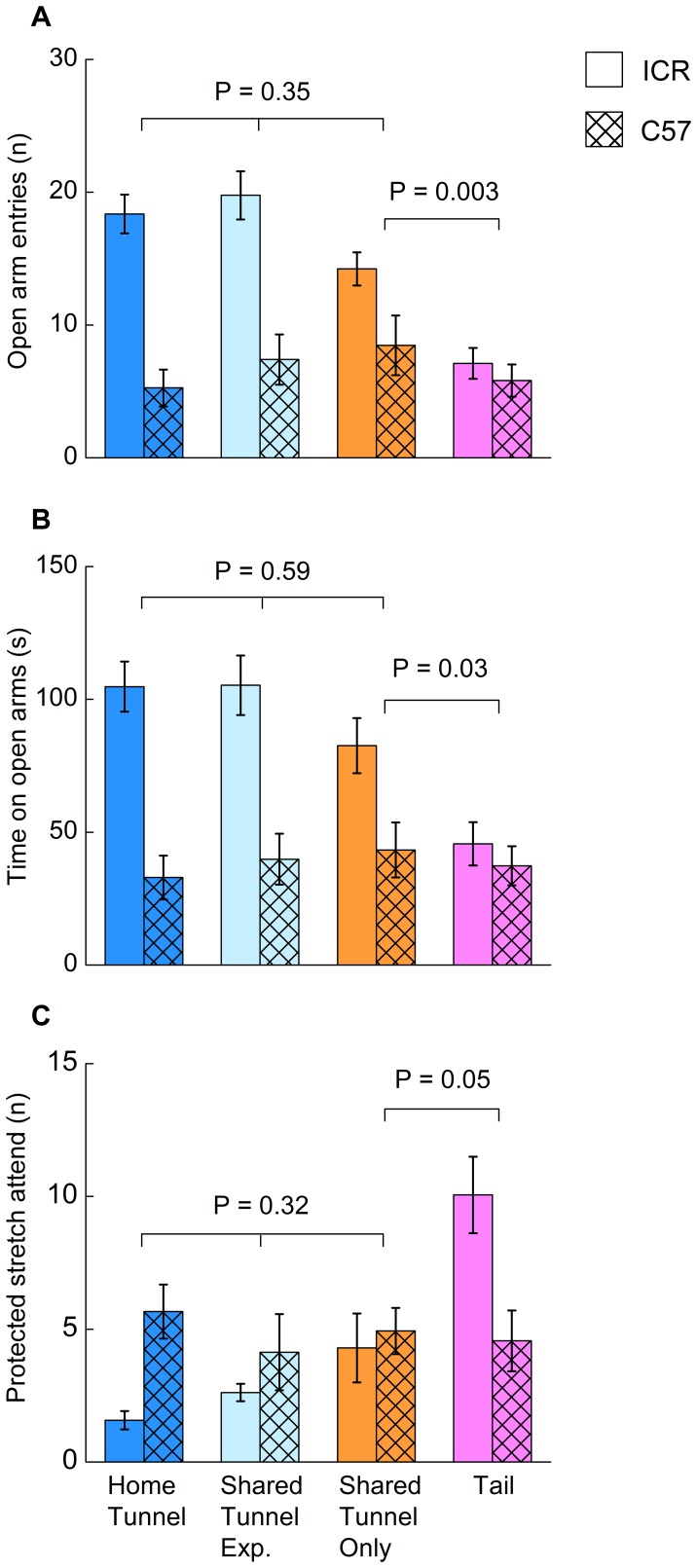
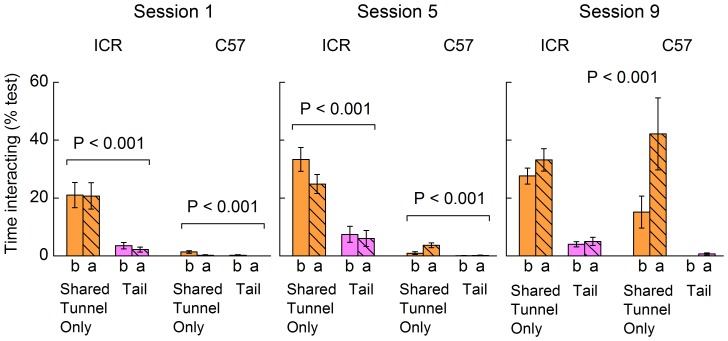
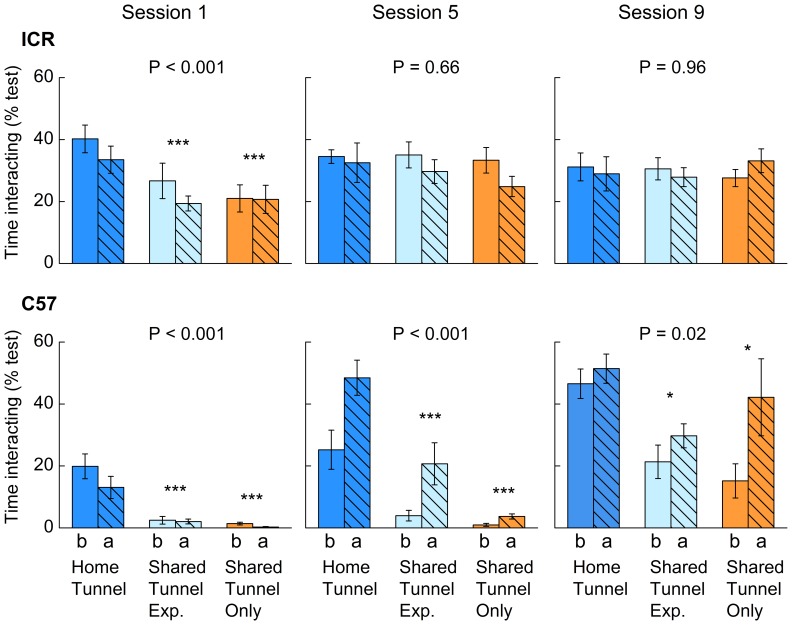
Handling stress is a well-recognised source of variation in animal studies that can also compromise the welfare of research animals. To reduce background variation and maximise welfare, methods that minimise handling stress should be developed and used wherever possible. Recent evidence has shown that handling mice by a familiar tunnel that is present in their home cage can minimise anxiety compared with standard tail handling. As yet, it is unclear whether a tunnel is required in each home cage to improve response to handling. We investigated the influence of prior experience with home tunnels among two common strains of laboratory mice: ICR(CD-1) and C57BL/6. We compared willingness to approach the handler and anxiety in an elevated plus maze test among mice picked up by the tail, by a home cage tunnel or by an external tunnel shared between cages. Willingness to interact with the handler was much greater for mice handled by a tunnel, even when this was unfamiliar, compared to mice picked up by the tail. Once habituated to handling, C57BL/6 mice were most interactive towards a familiar home tunnel, whereas the ICR strain showed strong interaction with all tunnel handling regardless of any experience of a home cage tunnel. Mice handled by a home cage or external tunnel showed less anxiety in an elevated plus maze than those picked up by the tail. This study shows that using a tunnel for routine handling reduces anxiety among mice compared to tail handling regardless of prior familiarity with tunnels. However, as home cage tunnels can further improve response to handling in some mice, we recommend that mice are handled with a tunnel provided in their home cage where possible as a simple practical method to minimise handling stress.
处理压力是动物研究中公认的变异来源,也会损害研究动物的福利。为了减少背景变异并最大限度地提高福利,应尽可能开发和使用尽量减少处理压力的方法。最近的证据表明,与标准的尾巴处理相比,通过熟悉的隧道来处理老鼠可以减少焦虑。然而,目前尚不清楚每个笼子中是否需要隧道来改善对处理的反应。我们调查了两种常见实验室小鼠(ICR(CD-1)和 C57BL/6)在家用隧道方面的先前经验的影响。我们比较了通过尾巴、家用笼子隧道或共享笼子之间的外部隧道来捡起的小鼠在高架十字迷宫测试中接近处理者的意愿和焦虑程度。与通过尾巴捡起的小鼠相比,通过隧道处理的小鼠与处理者互动的意愿要大得多,即使隧道不熟悉也是如此。一旦适应了处理,C57BL/6 小鼠对熟悉的家用隧道最具互动性,而 ICR 品系则与所有隧道处理都具有强烈的互动性,而不管是否有家用笼子隧道的经验。与通过尾巴捡起的小鼠相比,通过家用笼子或外部隧道处理的小鼠在高架十字迷宫中的焦虑程度较低。这项研究表明,与尾巴处理相比,使用隧道进行常规处理可以减少小鼠的焦虑,无论对隧道的熟悉程度如何。然而,由于家用笼子隧道可以进一步改善一些小鼠对处理的反应,因此我们建议尽可能使用笼子中的隧道来处理小鼠,作为一种简单实用的方法来尽量减少处理压力。