Department of Systems Design Engineering, University of Waterloo, 200 University Avenue West, Waterloo, Ontario, Canada.
J Neuroeng Rehabil. 2013 Aug 8;10(1):91. doi: 10.1186/1743-0003-10-91.
Falls are a prevalent issue in the geriatric population and can result in damaging physical and psychological consequences. Fall risk assessment can provide information to enable appropriate interventions for those at risk of falling. Wearable inertial-sensor-based systems can provide quantitative measures indicative of fall risk in the geriatric population.
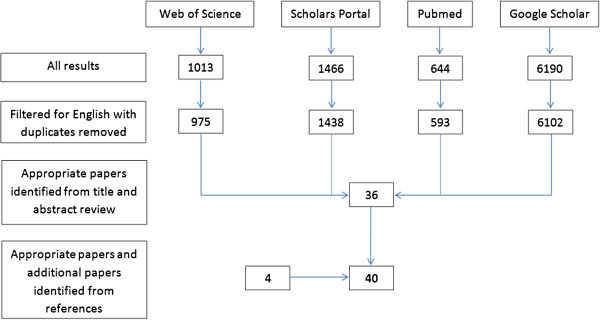
Forty studies that used inertial sensors to evaluate geriatric fall risk were reviewed and pertinent methodological features were extracted; including, sensor placement, derived parameters used to assess fall risk, fall risk classification method, and fall risk classification model outcomes.
Inertial sensors were placed only on the lower back in the majority of papers (65%). One hundred and thirty distinct variables were assessed, which were categorized as position and angle (7.7%), angular velocity (11.5%), linear acceleration (20%), spatial (3.8%), temporal (23.1%), energy (3.8%), frequency (15.4%), and other (14.6%). Fallers were classified using retrospective fall history (30%), prospective fall occurrence (15%), and clinical assessment (32.5%), with 22.5% using a combination of retrospective fall occurrence and clinical assessments. Half of the studies derived models for fall risk prediction, which reached high levels of accuracy (62-100%), specificity (35-100%), and sensitivity (55-99%).
Inertial sensors are promising sensors for fall risk assessment. Future studies should identify fallers using prospective techniques and focus on determining the most promising sensor sites, in conjunction with determination of optimally predictive variables. Further research should also attempt to link predictive variables to specific fall risk factors and investigate disease populations that are at high risk of falls.
跌倒在老年人群体中很常见,可能导致身体和心理的损害。跌倒风险评估可以为那些有跌倒风险的人提供适当干预的信息。基于可穿戴惯性传感器的系统可以提供定量的指标来评估老年人的跌倒风险。
对 40 项使用惯性传感器评估老年人跌倒风险的研究进行了回顾,并提取了相关的方法学特征;包括传感器的放置位置、用于评估跌倒风险的衍生参数、跌倒风险分类方法以及跌倒风险分类模型的结果。
在大多数研究中(65%),惯性传感器仅放置在腰部以下。评估了 130 个不同的变量,这些变量分为位置和角度(7.7%)、角速度(11.5%)、线性加速度(20%)、空间(3.8%)、时间(23.1%)、能量(3.8%)、频率(15.4%)和其他(14.6%)。跌倒者的分类使用回顾性跌倒史(30%)、前瞻性跌倒发生(15%)和临床评估(32.5%),其中 22.5%使用回顾性跌倒发生和临床评估的组合。一半的研究为跌倒风险预测建立了模型,这些模型达到了高准确性(62-100%)、特异性(35-100%)和敏感性(55-99%)。
惯性传感器是一种有前途的跌倒风险评估传感器。未来的研究应使用前瞻性技术来识别跌倒者,并专注于确定最有前途的传感器位置,同时确定最佳预测变量。进一步的研究还应尝试将预测变量与特定的跌倒风险因素联系起来,并研究那些有高跌倒风险的疾病人群。