Department of Psychology, University of Colorado Boulder, Boulder, CO 80309, USA.
Comput Intell Neurosci. 2013;2013:149329. doi: 10.1155/2013/149329. Epub 2013 Jul 8.
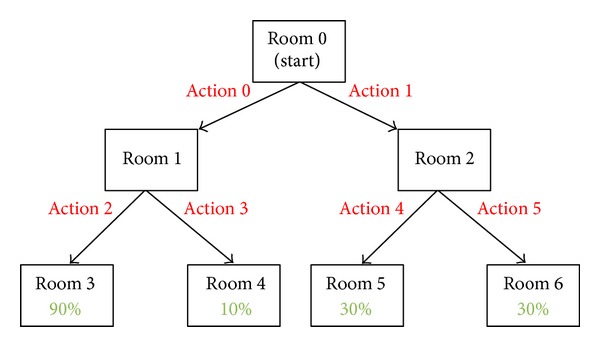
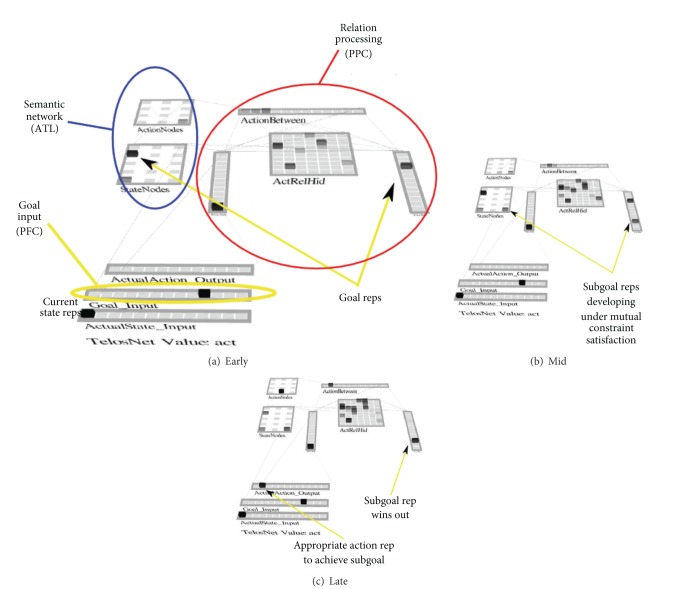
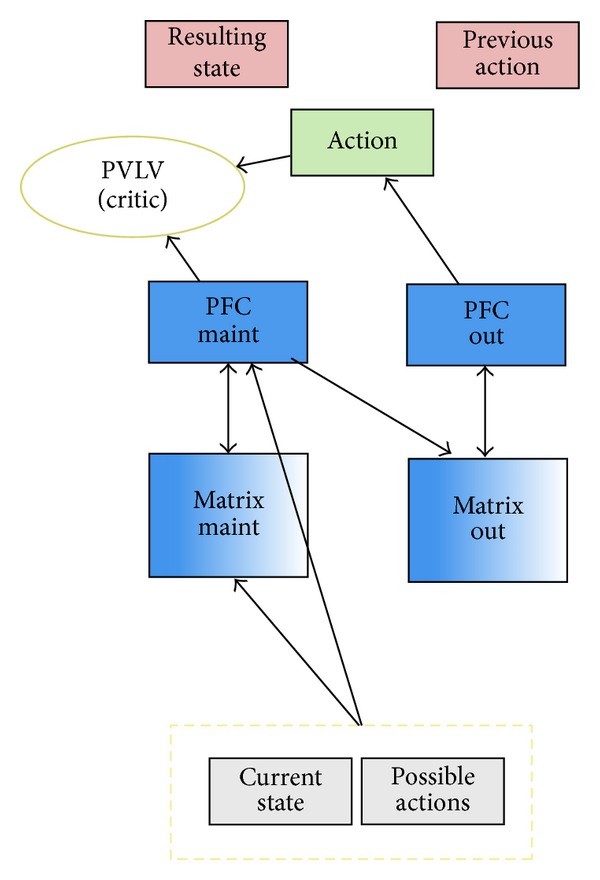
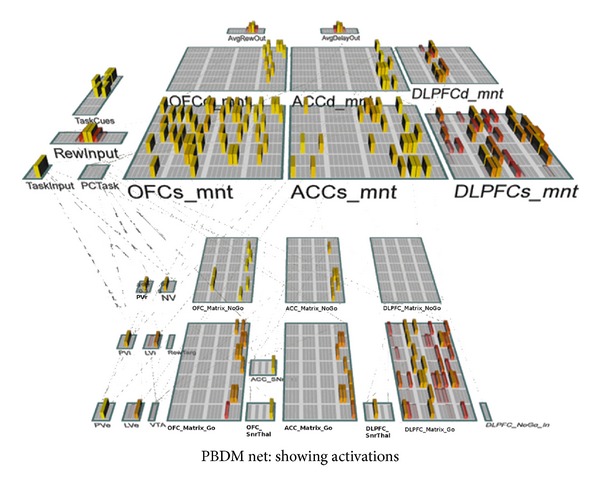
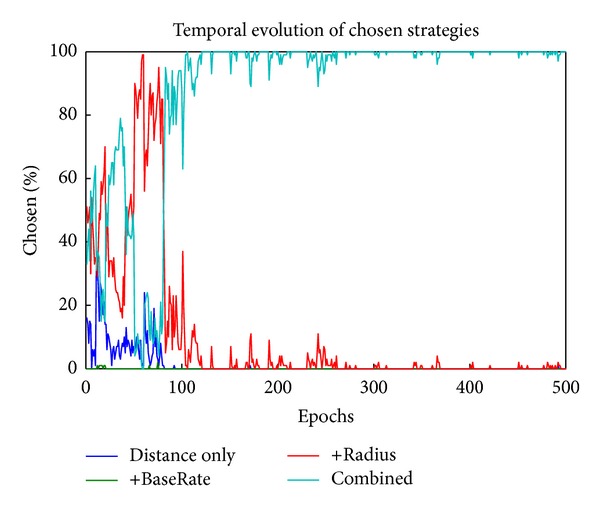
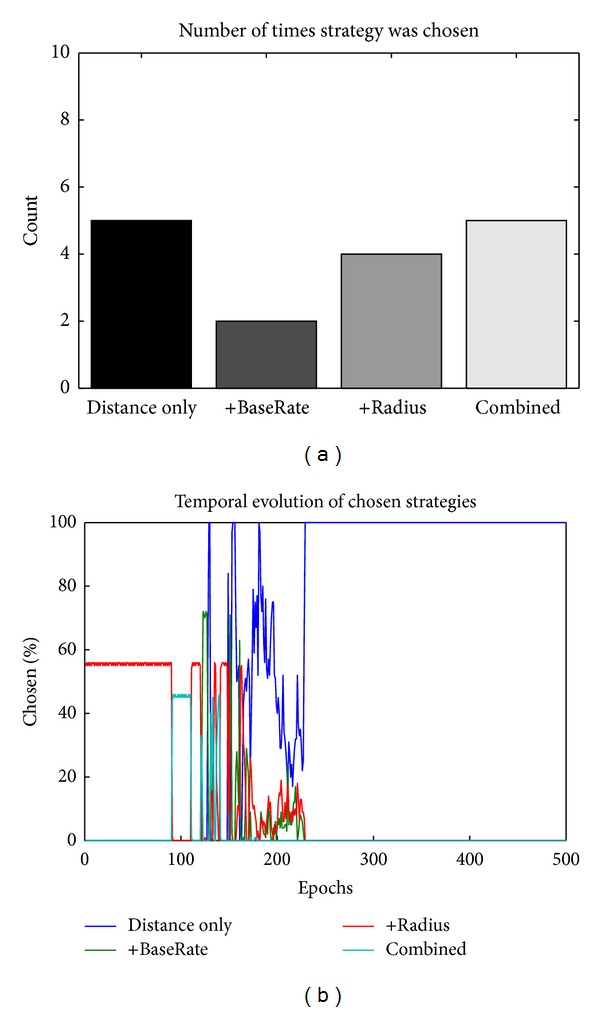
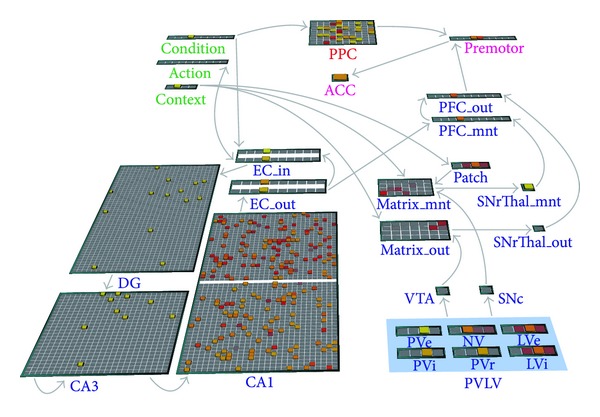
We address strategic cognitive sequencing, the "outer loop" of human cognition: how the brain decides what cognitive process to apply at a given moment to solve complex, multistep cognitive tasks. We argue that this topic has been neglected relative to its importance for systematic reasons but that recent work on how individual brain systems accomplish their computations has set the stage for productively addressing how brain regions coordinate over time to accomplish our most impressive thinking. We present four preliminary neural network models. The first addresses how the prefrontal cortex (PFC) and basal ganglia (BG) cooperate to perform trial-and-error learning of short sequences; the next, how several areas of PFC learn to make predictions of likely reward, and how this contributes to the BG making decisions at the level of strategies. The third models address how PFC, BG, parietal cortex, and hippocampus can work together to memorize sequences of cognitive actions from instruction (or "self-instruction"). The last shows how a constraint satisfaction process can find useful plans. The PFC maintains current and goal states and associates from both of these to find a "bridging" state, an abstract plan. We discuss how these processes could work together to produce strategic cognitive sequencing and discuss future directions in this area.
我们探讨了战略性认知排序,即人类认知的“外循环”:大脑如何决定在特定时刻应用哪种认知过程来解决复杂的多步骤认知任务。我们认为,由于系统性原因,这个话题相对被忽视了,但最近关于单个大脑系统如何完成其计算的研究为如何在时间上协调大脑区域以完成我们最令人印象深刻的思维提供了有益的思路。我们提出了四个初步的神经网络模型。第一个模型探讨了前额叶皮层(PFC)和基底神经节(BG)如何合作进行短序列的试错学习;接下来,探讨了几个 PFC 区域如何学会预测可能的奖励,以及这如何有助于 BG 在策略层面做出决策。第三个模型探讨了 PFC、BG、顶叶皮层和海马体如何协同工作,从指令(或“自我指令”)中记忆认知动作的序列。最后一个模型展示了约束满足过程如何找到有用的计划。PFC 维持当前状态和目标状态,并从这两者中关联,以找到一个“桥接”状态,即一个抽象的计划。我们讨论了这些过程如何协同工作以产生战略性认知排序,并讨论了该领域的未来方向。