Calcif Tissue Int. 2013 Oct;93(4):382-96. doi: 10.1007/s00223-013-9784-9.
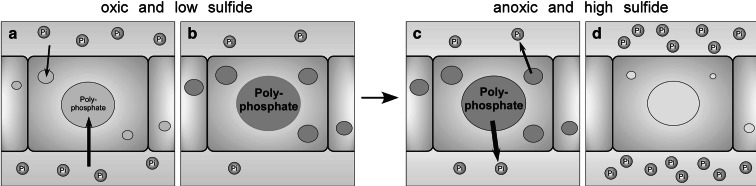
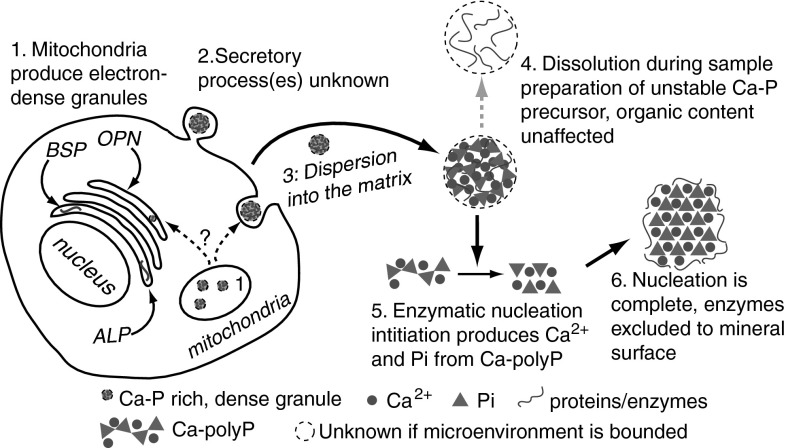
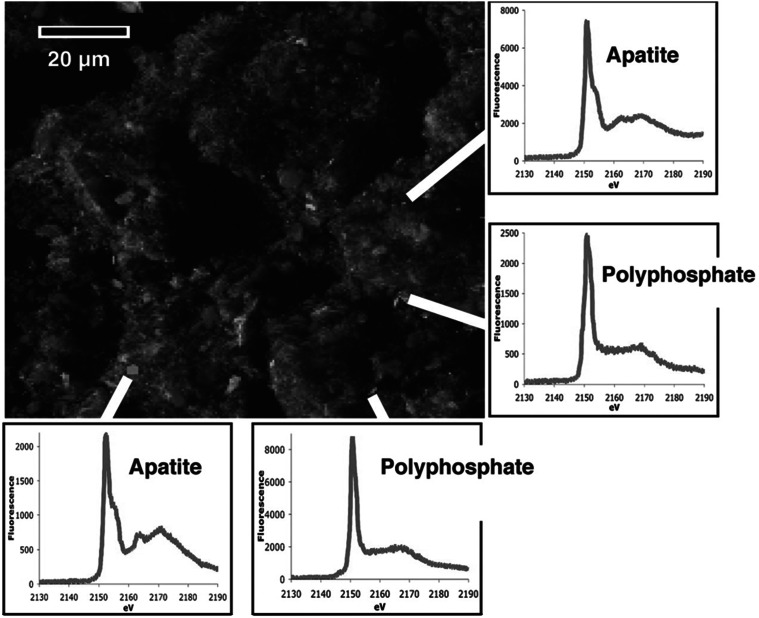
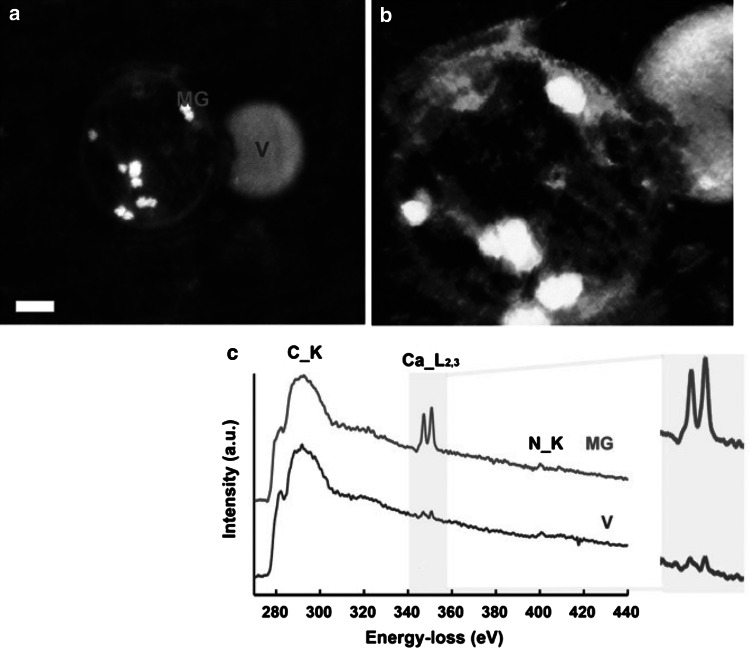
Relationships between geological phosphorite deposition and biological apatite nucleation have often been overlooked. However, similarities in biological apatite and phosphorite mineralogy suggest that their chemical formation mechanisms may be similar. This review serves to draw parallels between two newly described phosphorite mineralization processes, and proposes a similar novel mechanism for biologically controlled apatite mineral nucleation. This mechanism integrates polyphosphate biochemistry with crystal nucleation theory. Recently, the roles of polyphosphates in the nucleation of marine phosphorites were discovered. Marine bacteria and diatoms have been shown to store and concentrate inorganic phosphate (Pi) as amorphous, polyphosphate granules. Subsequent release of these P reserves into the local marine environment as Pi results in biologically induced phosphorite nucleation. Pi storage and release through an intracellular polyphosphate intermediate may also occur in mineralizing oral bacteria. Polyphosphates may be associated with biologically controlled apatite nucleation within vertebrates and invertebrates. Historically, biological apatite nucleation has been attributed to either a biochemical increase in local Pi concentration or matrix-mediated apatite nucleation control. This review proposes a mechanism that integrates both theories. Intracellular and extracellular amorphous granules, rich in both calcium and phosphorus, have been observed in apatite-biomineralizing vertebrates, protists, and atremate brachiopods. These granules may represent stores of calcium-polyphosphate. Not unlike phosphorite nucleation by bacteria and diatoms, polyphosphate depolymerization to Pi would be controlled by phosphatase activity. Enzymatic polyphosphate depolymerization would increase apatite saturation to the level required for mineral nucleation, while matrix proteins would simultaneously control the progression of new biological apatite formation.
地质磷矿沉积与生物磷灰石成核之间的关系常常被忽视。然而,生物磷灰石和磷矿的矿物学相似性表明它们的化学形成机制可能相似。本综述旨在比较两种新描述的磷矿化过程,并提出一种类似的新的生物控制磷灰石矿核形成机制。该机制将多磷酸盐生物化学与晶体成核理论结合起来。最近,多磷酸盐在海洋磷矿成核中的作用被发现。海洋细菌和硅藻被证明可以将无机磷酸盐(Pi)作为无定形的多磷酸盐颗粒储存和浓缩。随后,这些 P 储备作为 Pi 释放到局部海洋环境中,导致生物诱导的磷矿成核。通过细胞内多磷酸盐中间产物储存和释放 Pi 也可能发生在矿化口腔细菌中。多磷酸盐可能与脊椎动物和无脊椎动物中的生物控制磷灰石成核有关。从历史上看,生物磷灰石成核归因于局部 Pi 浓度的生化增加或基质介导的磷灰石成核控制。本综述提出了一种整合两种理论的机制。富含钙和磷的无定形颗粒在磷灰石生物矿化的脊椎动物、原生动物和无铰纲腕足动物中都有观察到。这些颗粒可能代表钙多磷酸盐的储存库。与细菌和硅藻的磷矿成核不同,多磷酸盐的解聚为 Pi 将受到磷酸酶活性的控制。酶解多磷酸盐的解聚将使磷灰石饱和度增加到需要进行矿物成核的水平,同时基质蛋白将同时控制新的生物磷灰石形成的进展。