De Luna-Bertos E, Ramos-Torrecillas J, García-Martínez O, Guildford A, Santin M, Ruiz C
Department of Nursing, Faculty of Health Sciences, University of Granada, Avenida Madrid s/n, 18071 Granada, Spain.
ScientificWorldJournal. 2013 Sep 19;2013:809891. doi: 10.1155/2013/809891. eCollection 2013.
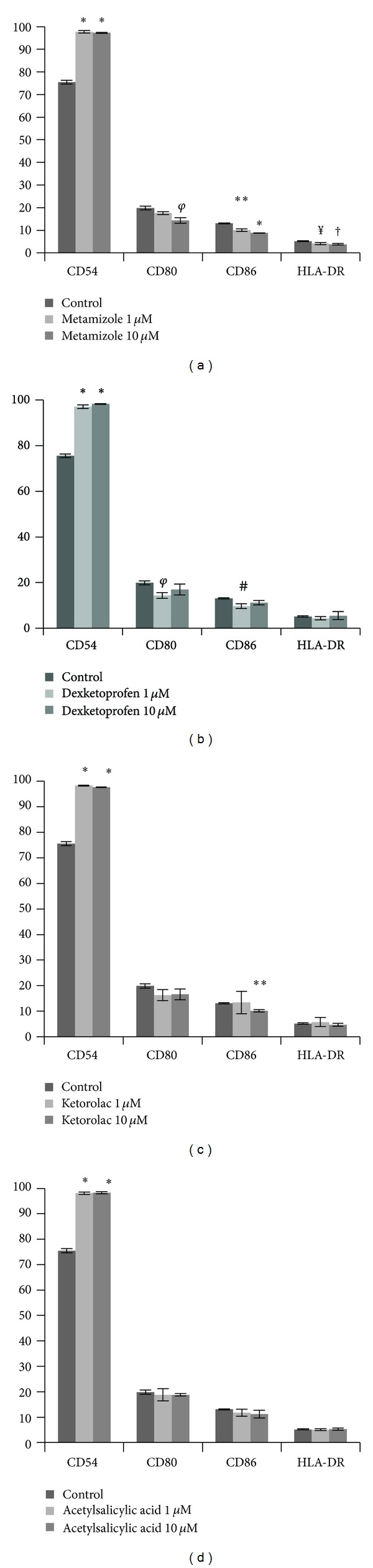
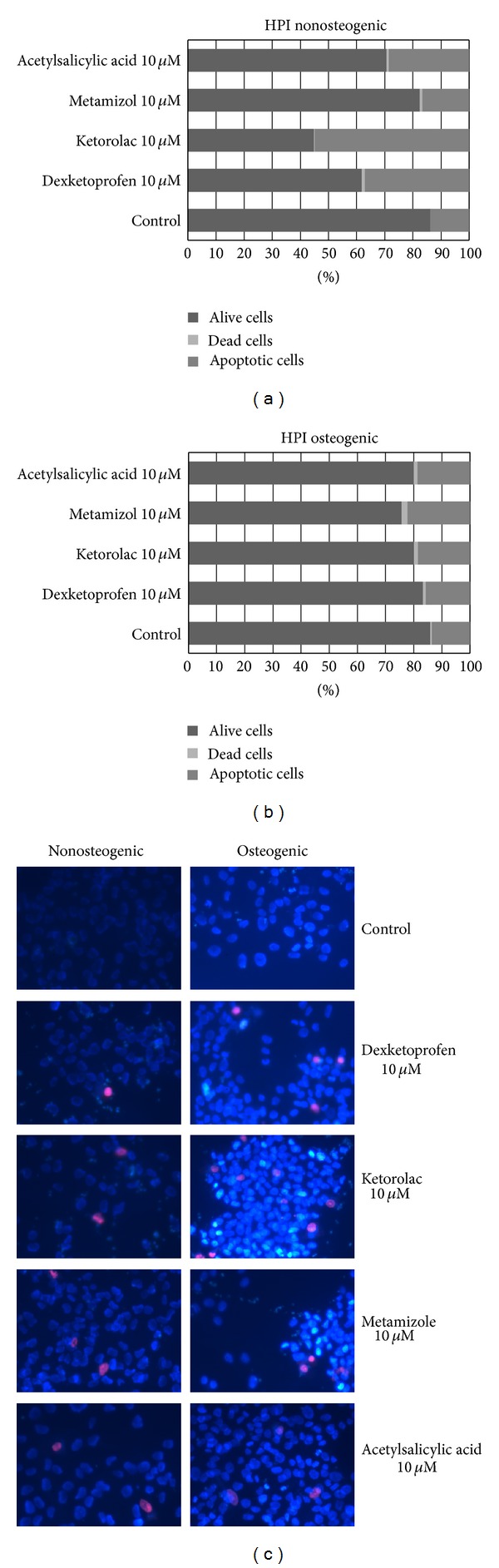
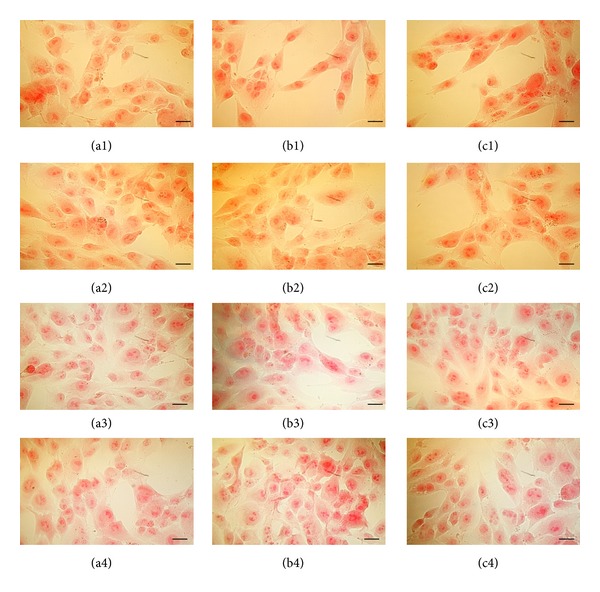
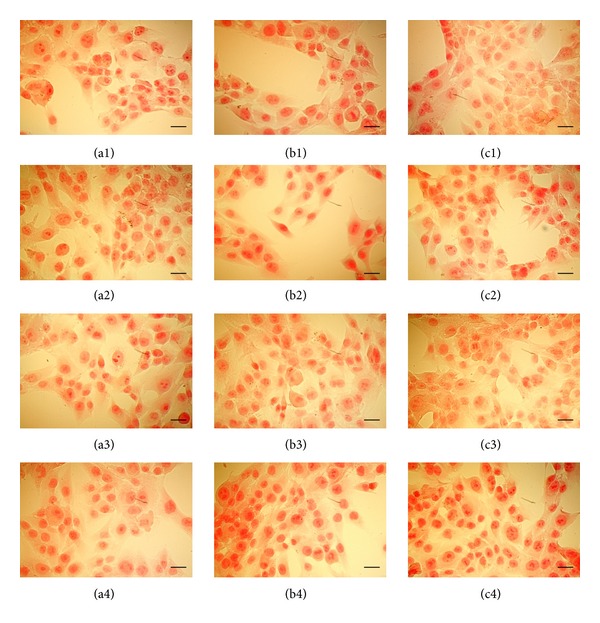
Nonsteroidal anti-inflammatory drugs (NSAIDs) are frequently used to reduce pain and inflammation. However, their effect on bone metabolisms is not well known, and results in the literature are contradictory. The present study focusses on the effect of dexketoprofen, ketorolac, metamizole, and acetylsalicylic acid, at therapeutic doses, on different biochemical and phenotypic pathways in human osteoblast-like cells. Osteoblasts (MG-63 cell line) were incubated in culture medium with 1-10 μM of dexketoprofen, ketorolac, metamizole, and acetylsalicylic acid. Flow cytometry was used to study antigenic profile and phagocytic activity. The osteoblastic differentiation was evaluated by mineralization and synthesis of collagen fibers by microscopy and alkaline phosphatase activity (ALP) by spectrophotometric assay. Short-term treatment with therapeutic doses of NSAIDs modulated differentiation, antigenic profile, and phagocyte activity of osteoblast-like cells. The treatment reduced ALP synthesis and matrix mineralization. However, nonsignificant differences were observed on collagen syntheses after treatments. The percentage of CD54 expression was increased with all treatments. CD80, CD86, and HLA-DR showed a decreased expression, which depended on NSAID and the dose applied. The treatments also decreased phagocyte activity in this cellular population. The results of this paper provide evidences that NSAIDs inhibit the osteoblast differentiation process thus reducing their ability to produce new bone mineralized extracellular matrix.
非甾体抗炎药(NSAIDs)常用于减轻疼痛和炎症。然而,它们对骨代谢的影响尚不清楚,文献中的结果相互矛盾。本研究聚焦于右酮洛芬、酮咯酸、安乃近和乙酰水杨酸在治疗剂量下对人成骨样细胞不同生化和表型途径的影响。将成骨细胞(MG-63细胞系)在含有1-10μM右酮洛芬、酮咯酸、安乃近和乙酰水杨酸的培养基中孵育。采用流式细胞术研究抗原谱和吞噬活性。通过显微镜观察矿化和胶原纤维合成以及用分光光度法测定碱性磷酸酶活性(ALP)来评估成骨细胞分化。用治疗剂量的NSAIDs进行短期处理可调节成骨样细胞的分化、抗原谱和吞噬细胞活性。该处理降低了ALP合成和基质矿化。然而,处理后胶原合成方面未观察到显著差异。所有处理均使CD54表达百分比增加。CD80、CD86和HLA-DR表达降低,这取决于NSAID和所用剂量。这些处理也降低了该细胞群体的吞噬细胞活性。本文结果提供了证据表明NSAIDs抑制成骨细胞分化过程,从而降低其产生新的骨矿化细胞外基质的能力。