Moore Thomas, Chen Hongyu, Morrison Rachel, Wang Fenglin, Anker Jeffrey N, Alexis Frank
Department of Bioengineering, and ‡Department of Chemistry, Clemson University , Clemson, South Carolina 29634, United States.
Mol Pharm. 2014 Jan 6;11(1):24-39. doi: 10.1021/mp400419k. Epub 2013 Nov 26.
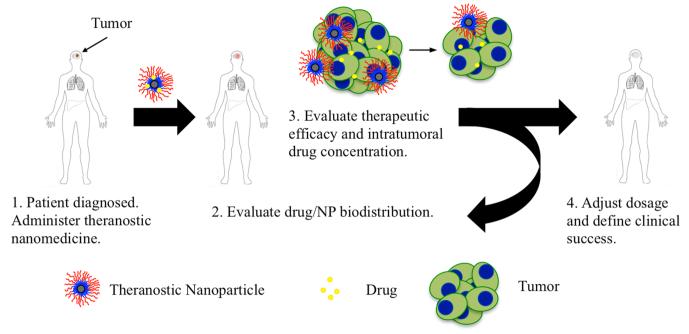
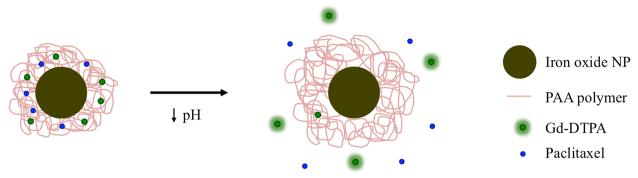
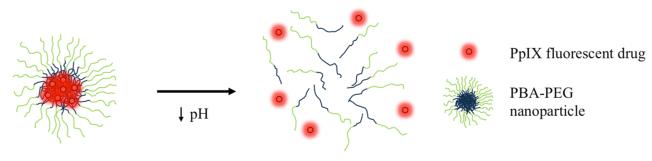
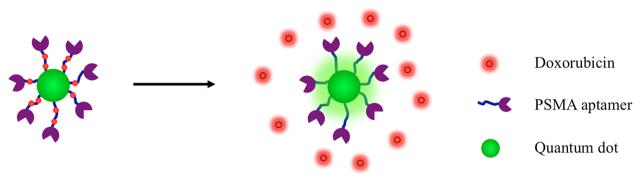
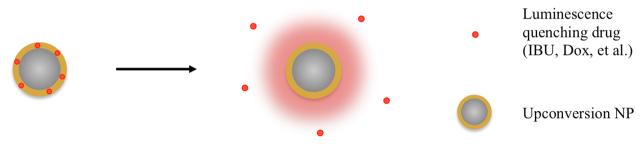
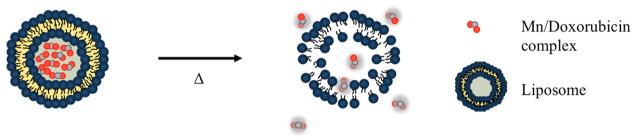
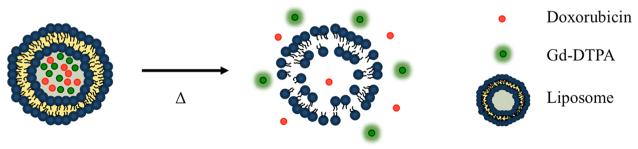
A wide variety of chemotherapy and radiotherapy agents are available for treating cancer, but a critical challenge is to deliver these agents locally to cancer cells and tumors while minimizing side effects from systemic delivery. Nanomedicine uses nanoparticles with diameters in the range of ∼1-100 nm to encapsulate drugs and target them to tumors. The nanoparticle enhances local drug delivery efficiency to the tumors via entrapment in leaky tumor vasculature, molecular targeting to cells expressing cancer biomarkers, and/or magnetic targeting. In addition, the localization can be enhanced using triggered release in tumors via chemical, thermal, or optical signals. In order to optimize these nanoparticle drug delivery strategies, it is important to be able to image where the nanoparticles distribute and how rapidly they release their drug payloads. This Review aims to evaluate the current state of nanotechnology platforms for cancer theranostics (therapeutic and diagnostic particles) that are capable of noninvasive measurement of release kinetics.
有各种各样的化疗和放疗药物可用于治疗癌症,但一个关键挑战是将这些药物局部递送至癌细胞和肿瘤,同时将全身给药的副作用降至最低。纳米医学使用直径在约1-100纳米范围内的纳米颗粒来包裹药物并将其靶向肿瘤。纳米颗粒通过滞留在渗漏的肿瘤血管系统中、分子靶向表达癌症生物标志物的细胞和/或磁靶向,提高局部药物向肿瘤的递送效率。此外,可通过化学、热或光信号在肿瘤中触发释放来增强定位。为了优化这些纳米颗粒药物递送策略,能够对纳米颗粒的分布位置及其释放药物载荷的速度进行成像非常重要。本综述旨在评估能够无创测量释放动力学的癌症治疗诊断(治疗和诊断颗粒)纳米技术平台的当前状态。