Derfus Austin M, Chan Warren C W, Bhatia Sangeeta N
Dept of Bioengineering, University of California at San Diego, La Jolla, California, USA.
Nano Lett. 2004 Jan 1;4(1):11-18. doi: 10.1021/nl0347334. Epub 2003 Dec 10.
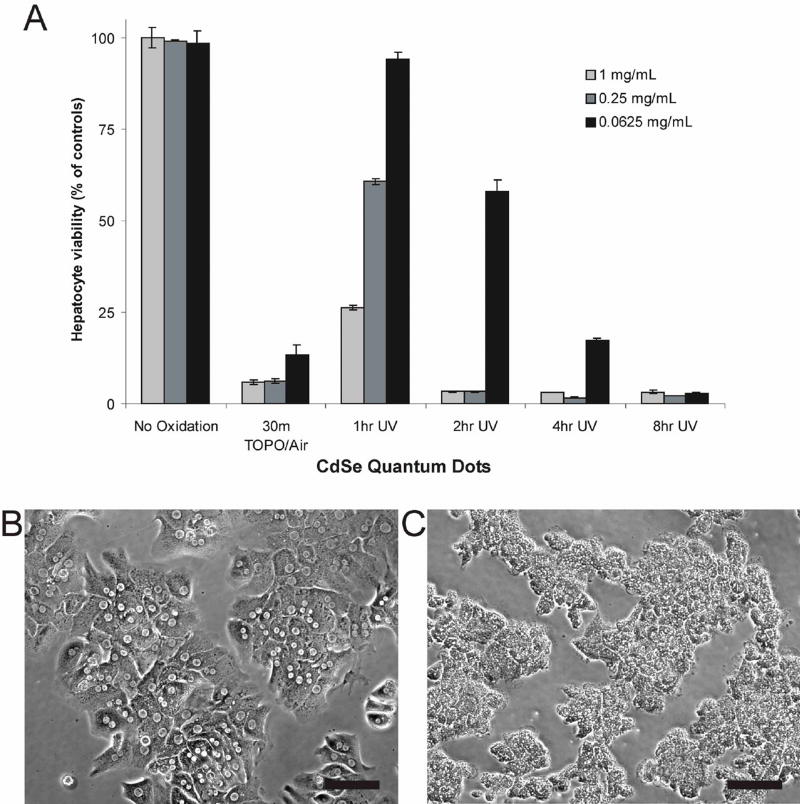
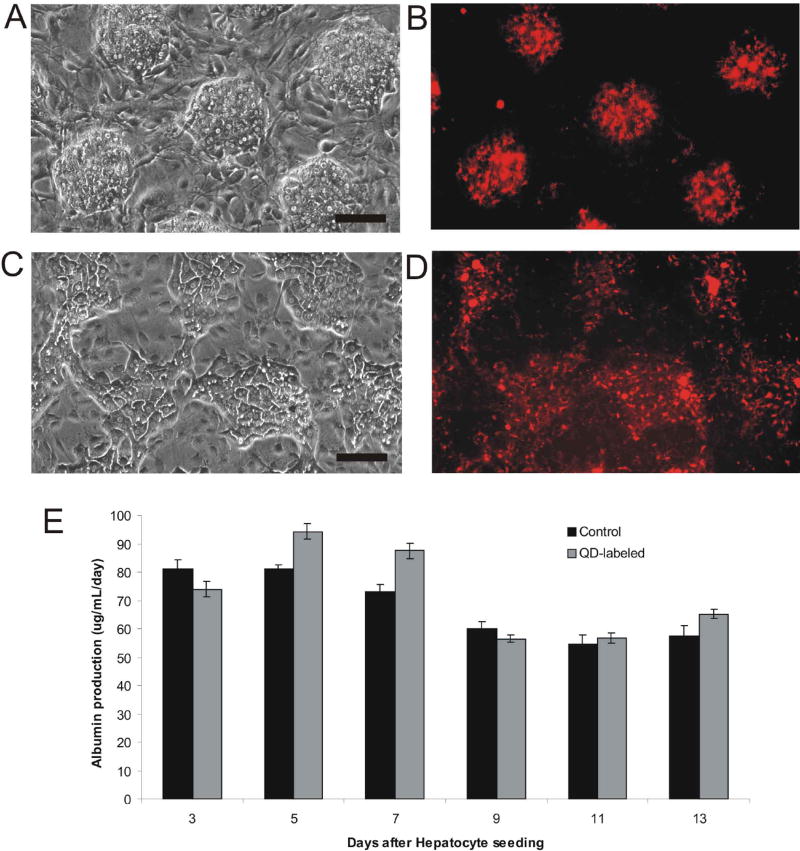
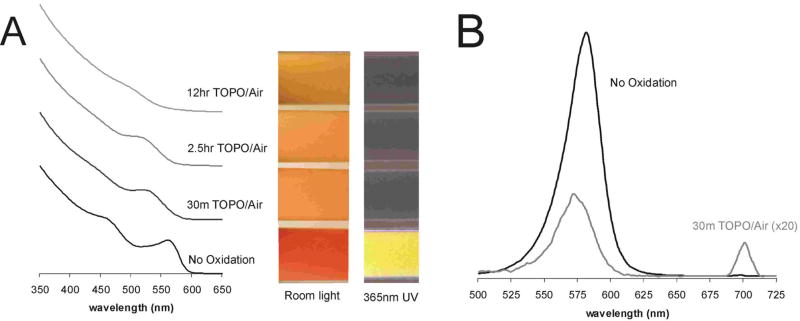
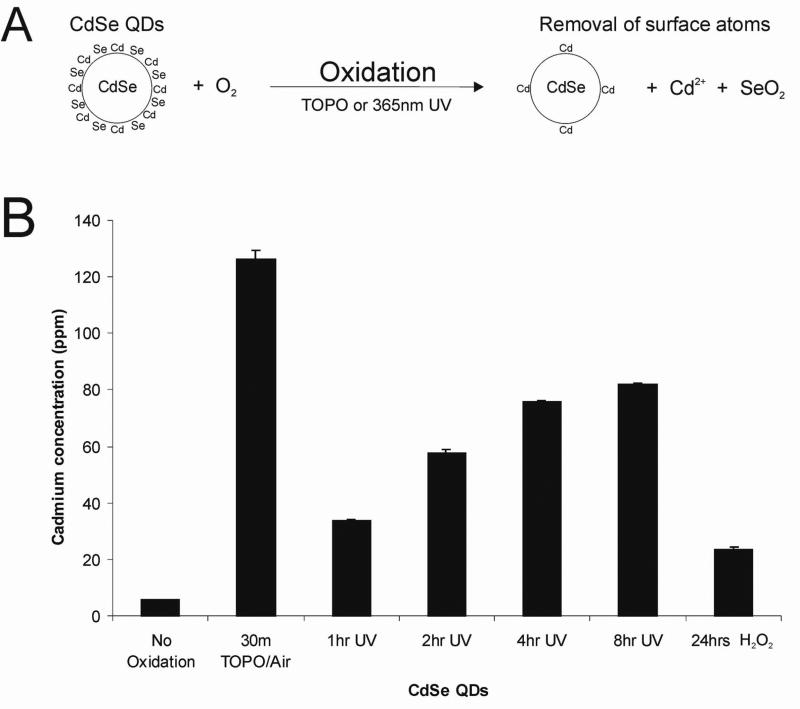
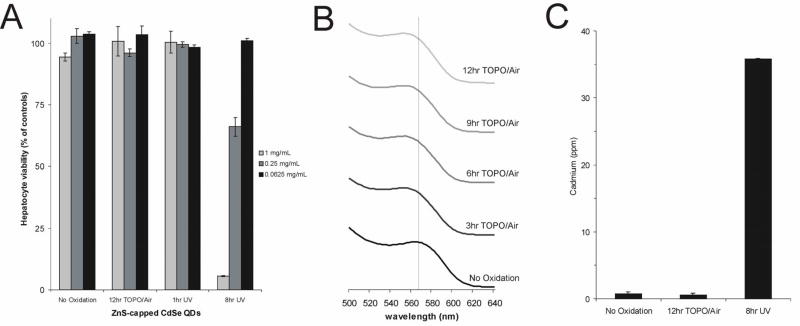
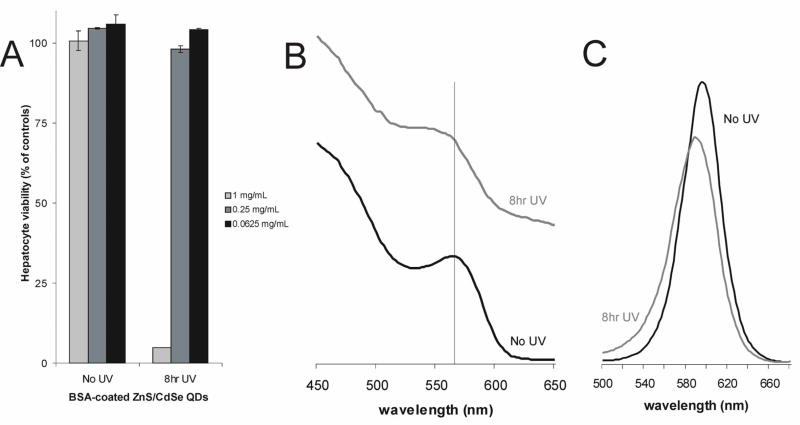
With their bright, photostable fluorescence, semiconductor quantum dots show promise as alternatives to organic dyes for biological labeling. Questions about their potential cytotoxicity, however, remain unanswered. While cytotoxicity of bulk cadmium selenide (CdSe) is well documented, a number of groups have suggested that CdSe QDs are cytocompatible, at least with some immortalized cell lines. Using primary hepatocytes as a liver model, we found that CdSe-core QDs were indeed acutely toxic under certain conditions. Specifically, we found that the cytotoxicity of QDs was modulated by processing parameters during synthesis, exposure to ultraviolet light, and surface coatings. Our data further suggests that cytotoxicity correlates with the liberation of free Cd ions due to deterioration of the CdSe lattice. When appropriately coated, CdSe-core QDs can be rendered non-toxic and used to track cell migration and reorganization . Our results inform design criteria for the use of QDs in vitro and especially in vivo where deterioration over time may occur.
半导体量子点凭借其明亮、光稳定的荧光,有望成为有机染料用于生物标记的替代品。然而,关于其潜在细胞毒性的问题仍未得到解答。虽然块状硒化镉(CdSe)的细胞毒性已有充分记录,但一些研究小组表明,CdSe量子点具有细胞相容性,至少对某些永生化细胞系是如此。我们以原代肝细胞作为肝脏模型,发现CdSe核量子点在某些条件下确实具有急性毒性。具体而言,我们发现量子点的细胞毒性受合成过程中的加工参数、紫外线照射和表面涂层的影响。我们的数据进一步表明,细胞毒性与由于CdSe晶格劣化导致的游离Cd离子释放有关。经过适当涂层处理后,CdSe核量子点可变得无毒,并用于追踪细胞迁移和重组。我们的结果为量子点在体外尤其是在体内的应用提供了设计标准,因为在体内可能会随着时间的推移发生劣化。