aDepartment of Nutrition and Metabolism, University of Texas Medical Branch, Galveston, Texas bDepartment of Nutrition & Exercise Physiology, University of Missouri, Columbia, Missouri, USA.
Curr Opin Clin Nutr Metab Care. 2014 Jan;17(1):5-11. doi: 10.1097/MCO.0000000000000011.
The purpose of this study is to highlight recent advances in nutrition and protein research that have the potential to improve health outcomes and status in ageing adults.
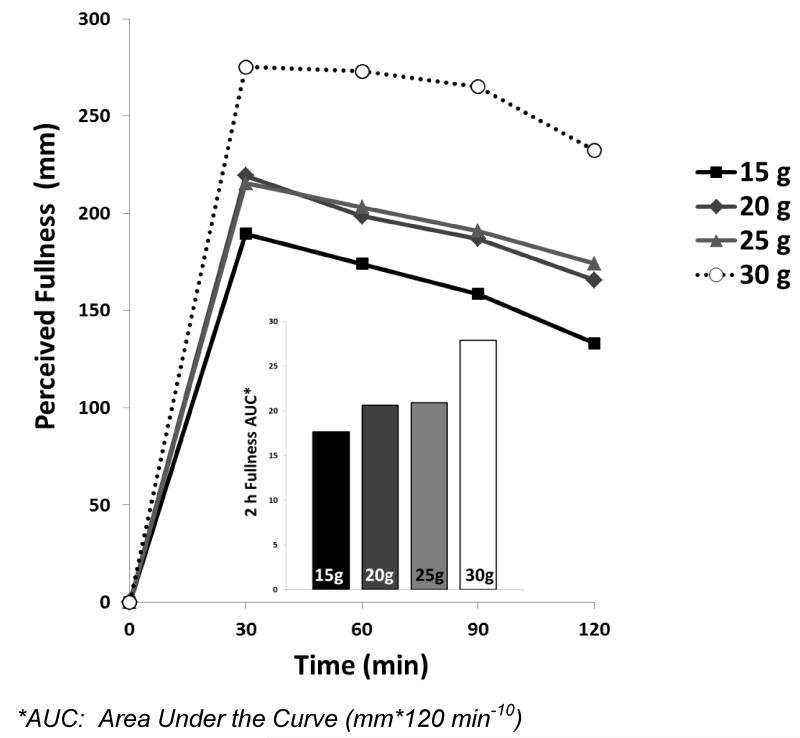
The beneficial effects of dietary protein on muscle health in older adults continue to be refined. Recent research has bolstered support for moderately increasing protein consumption beyond the current Recommended Dietary Allowance by adopting a meal-based approach in lieu of a less specific daily recommendation. Results from muscle protein anabolism, appetite regulation and satiety research support the contention that meeting a protein threshold (approximately 30 g/meal) represents a promising strategy for middle-aged and older adults concerned with maintaining muscle mass while controlling body fat.
Optimizing dietary protein intake to improve health requires a detailed consideration of topics including muscle protein anabolism, appetite control and satiety. Although each area of research continues to advance independently, recent collaborative and translational efforts have highlighted broad, translational consistencies related to the daily distribution and quantity of dietary protein.
本研究旨在强调营养和蛋白质研究的最新进展,这些进展有可能改善老年人的健康结果和状况。
膳食蛋白质对老年人肌肉健康的有益影响仍在不断完善。最近的研究通过采用基于膳食的方法代替不太具体的每日推荐,为适度增加蛋白质摄入量以超过当前推荐的饮食摄入量提供了更多支持。肌肉蛋白质合成、食欲调节和饱腹感研究的结果支持这样一种观点,即达到蛋白质阈值(约 30 克/餐)对于关注在控制体脂的同时保持肌肉量的中年和老年人来说是一种有前途的策略。
为了改善健康,优化膳食蛋白质的摄入量需要详细考虑肌肉蛋白质合成、食欲控制和饱腹感等问题。虽然每个研究领域都在独立地发展,但最近的合作和转化努力突出了与膳食蛋白质的日常分布和数量相关的广泛的、转化的一致性。