Yang Yuheng, Zhao Jing, Liu Peng, Xing Huijun, Li Chaochao, Wei Guorong, Kang Zhensheng
State Key Laboratory of Crop Stress Biology for Arid Areas and College of Plant Protection, Northwest A&F University, Yangling, Shaanxi, People's Republic of China.
PLoS One. 2013 Nov 29;8(11):e81756. doi: 10.1371/journal.pone.0081756. eCollection 2013.
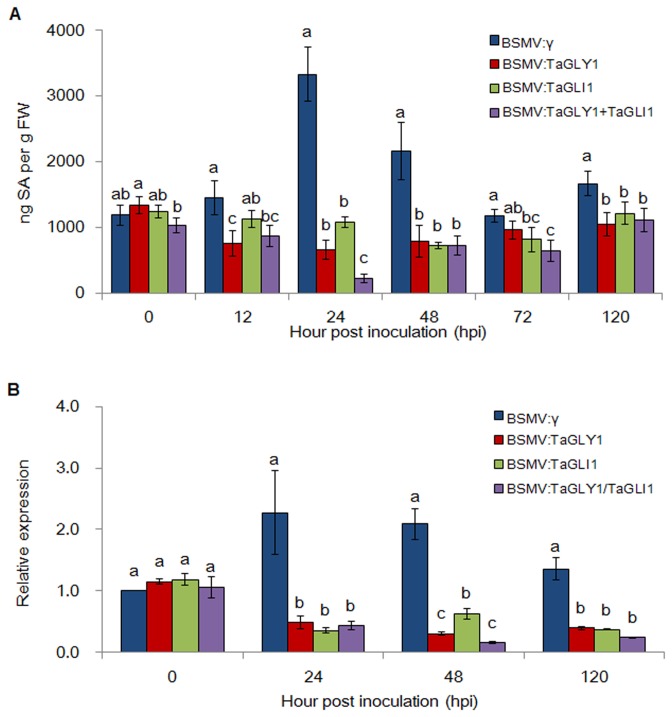
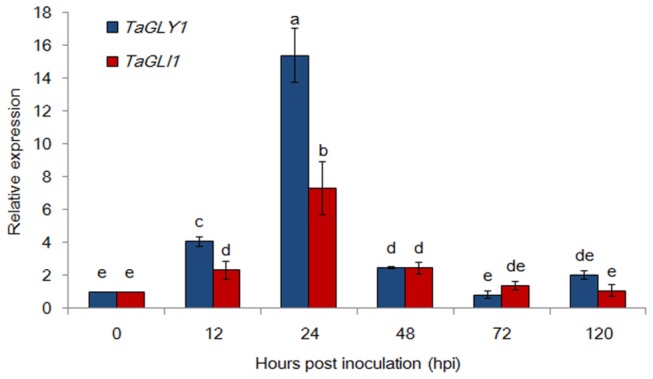
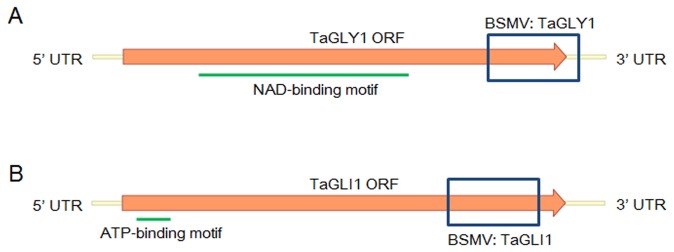
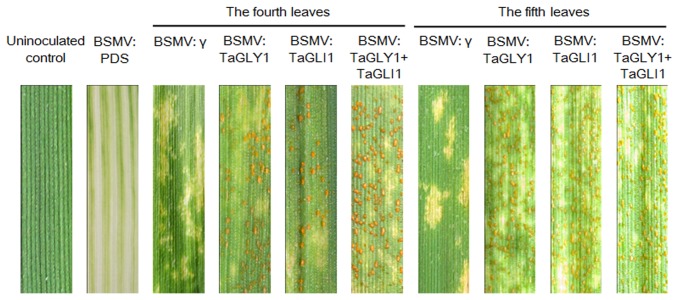
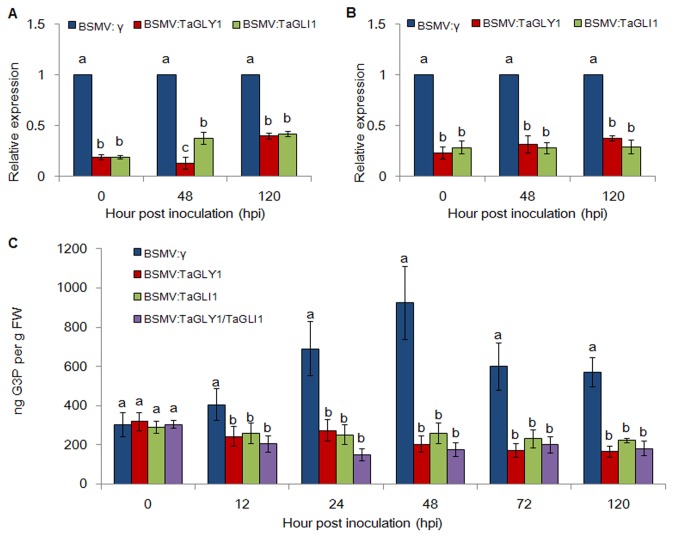
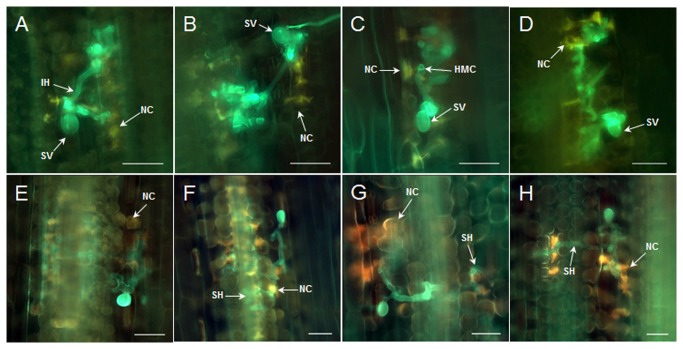
Glycerol-3-phosphate (G3P) is a proposed regulator of plant defense signaling in basal resistance and systemic acquired resistance (SAR). The GLY1-encoded glycerol-3-phosphate dehydrogenase (G3PDH) and GLI1-encoded glycerol kinase (GK) are two key enzymes involved in the G3P biosynthesis in plants. However, their physiological importance in wheat defense against pathogens remains unclear. In this study, quantification analysis revealed that G3P levels were significantly induced in wheat leaves challenged by the avirulent Puccinia striiformis f. sp. tritici (Pst) race CYR23. The transcriptional levels of TaGLY1 and TaGLI1 were likewise significantly induced by avirulent Pst infection. Furthermore, knocking down TaGLY1 and TaGLI1 individually or simultaneously with barley stripe mosaic virus-induced gene silencing (BSMV-VIGS) inhibited G3P accumulation and compromised the resistance in the wheat cultivar Suwon 11, whereas the accumulation of salicylic acid (SA) and the expression of the SA-induced marker gene TaPR1 in plant leaves were altered significantly after gene silencing. These results suggested that G3P contributes to wheat systemic acquired resistance (SAR) against stripe rust, and provided evidence that the G3P function as a signaling molecule is conserved in dicots and monocots. Meanwhile, the simultaneous co-silencing of multiple genes by the VIGS system proved to be a powerful tool for multi-gene functional analysis in plants.
甘油-3-磷酸(G3P)被认为是植物基础抗性和系统获得性抗性(SAR)中防御信号传导的调节因子。由GLY1编码的甘油-3-磷酸脱氢酶(G3PDH)和由GLI1编码的甘油激酶(GK)是植物中参与G3P生物合成的两种关键酶。然而,它们在小麦抵御病原体过程中的生理重要性仍不清楚。在本研究中,定量分析表明,无毒的条锈菌(Puccinia striiformis f. sp. tritici,Pst)小种CYR23侵染小麦叶片后,G3P水平显著升高。无毒的Pst侵染同样显著诱导了TaGLY1和TaGLI1的转录水平。此外,利用大麦条纹花叶病毒诱导的基因沉默(BSMV-VIGS)单独或同时敲除TaGLY1和TaGLI1会抑制G3P积累,并削弱小麦品种水源11的抗性,而基因沉默后,植物叶片中水杨酸(SA)的积累和SA诱导的标记基因TaPR1的表达发生了显著变化。这些结果表明,G3P有助于小麦对条锈病的系统获得性抗性(SAR),并提供了证据表明G3P作为信号分子在双子叶植物和单子叶植物中具有保守性。同时,VIGS系统同时共沉默多个基因被证明是植物多基因功能分析的有力工具。