Kaiser Jean-Pierre, Roesslein Matthias, Diener Liliane, Wick Peter
Materials-Biology Interactions Laboratory, Empa, Swiss Federal Laboratories for Materials Science and Technology, St. Gallen, Switzerland.
PLoS One. 2013 Dec 16;8(12):e83215. doi: 10.1371/journal.pone.0083215. eCollection 2013.
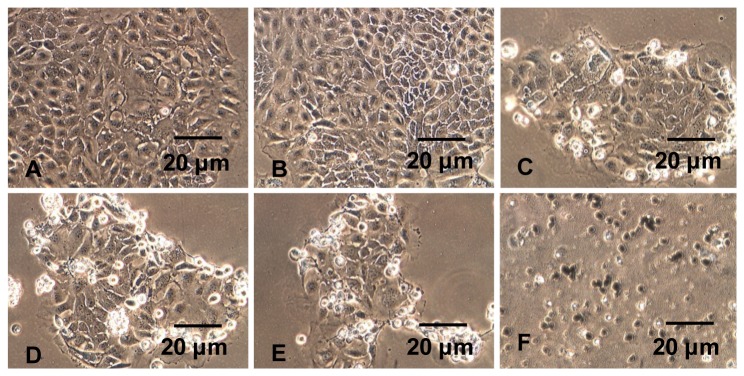
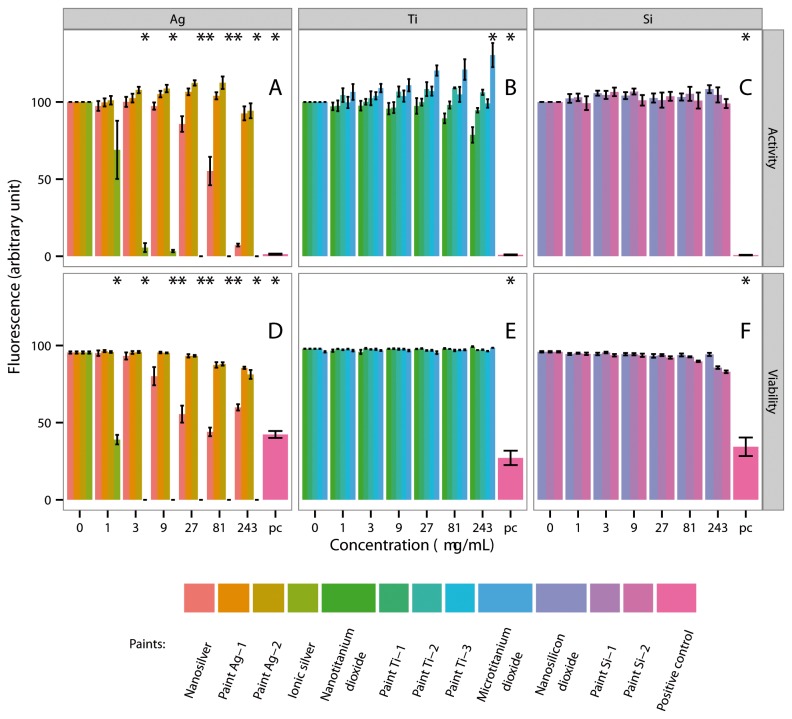
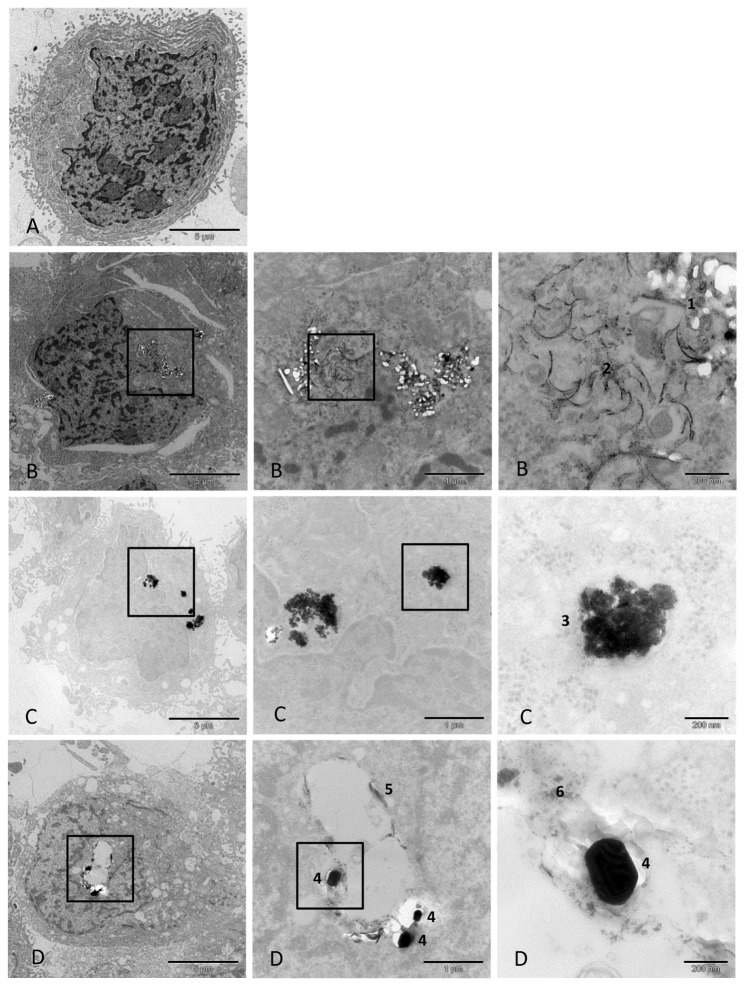
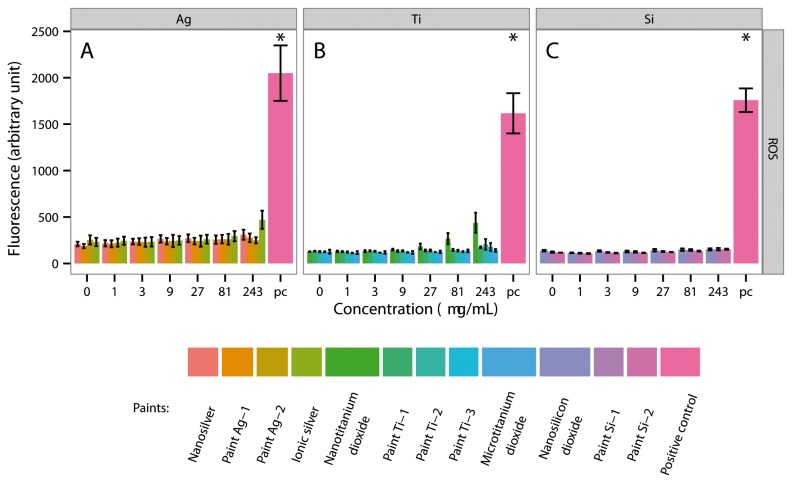
Microorganisms growing on painted surfaces are not only an aesthetic problem, but also actively contribute to the weathering and deterioration of materials. A widely used strategy to combat microbial colonization is the addition of biocides to the paint. However, ecotoxic, non-degradable biocides with a broad protection range are now prohibited in Europe, so the paint industry is considering engineered nanoparticles (ENPs) as an alternative biocide. There is concern that ENPs in paint might be released in run-off water and subsequently consumed by animals and/or humans, potentially coming into contact with cells of the gastrointestinal tract and affecting the immune system. Therefore, in the present study we evaluated the cytotoxic effects of three ENPs (nanosilver, nanotitanium dioxide and nanosilicon dioxide) that have a realistic potential for use in paints in the near future. When exposed to nanotitanium dioxide and nanosilicon dioxide in concentrations up to 243 µg/mL for 48 h, neither the gastrointestinal cells (CaCo-2) nor immune system cells (Jurkat) were significantly affected. However, when exposed to nanosilver, several cell parameters were affected, but far less than by silver ions used as a control. No differences in cytotoxicity were observed when cells were exposed to ENP-containing paint particles, compared with the same paint particles without ENPs. Paint particles containing ENPs did not affect cell morphology, the release of reactive oxygen species or cytokines, cell activity or cell death in a different manner to the same paint particles without ENPs. The results suggest that paints doped with ENPs do not pose an additional acute health hazard for humans.
在涂漆表面生长的微生物不仅是一个美观问题,还会积极促进材料的风化和劣化。对抗微生物定植的一种广泛使用的策略是在涂料中添加杀生剂。然而,欧洲现已禁止使用具有广泛保护范围的生态毒性、不可降解的杀生剂,因此涂料行业正在考虑将工程纳米颗粒(ENP)作为替代杀生剂。人们担心涂料中的ENP可能会随径流水中释放出来,随后被动物和/或人类摄入,有可能与胃肠道细胞接触并影响免疫系统。因此,在本研究中,我们评估了三种在不久的将来有可能用于涂料的ENP(纳米银、纳米二氧化钛和纳米二氧化硅)的细胞毒性作用。当暴露于浓度高达243μg/mL的纳米二氧化钛和纳米二氧化硅中48小时时,胃肠道细胞(CaCo-2)和免疫系统细胞(Jurkat)均未受到显著影响。然而,当暴露于纳米银时,几个细胞参数受到了影响,但远小于用作对照的银离子。与不含ENP的相同涂料颗粒相比,当细胞暴露于含ENP的涂料颗粒时,未观察到细胞毒性差异。含ENP的涂料颗粒对细胞形态、活性氧或细胞因子的释放、细胞活性或细胞死亡的影响与不含ENP的相同涂料颗粒没有不同。结果表明,掺杂ENP的涂料不会对人类造成额外的急性健康危害。