Indiana Center for Vascular Biology & Medicine, Indiana University School of Medicine, Indianapolis, Indiana, United States of America ; Eugene and Marilyn Glick Eye Institute, Indiana University School of Medicine, Indianapolis, Indiana, United States of America ; Vascular and Cardiac Center for Adult Stem Cell Therapy, Indiana University School of Medicine, Indianapolis, Indiana, United States of America ; VA Center for Regenerative Medicine, Indiana University School of Medicine, Indianapolis, Indiana, United States of America ; Department of Ophthalmology, Indiana University School of Medicine, Indianapolis, Indiana, United States of America ; Department of Cellular & Integrative Physiology, Indiana University School of Medicine, Indianapolis, Indiana, United States of America.
Eugene and Marilyn Glick Eye Institute, Indiana University School of Medicine, Indianapolis, Indiana, United States of America ; Department of Ophthalmology, Indiana University School of Medicine, Indianapolis, Indiana, United States of America.
PLoS One. 2014 Jan 9;9(1):e84671. doi: 10.1371/journal.pone.0084671. eCollection 2014.
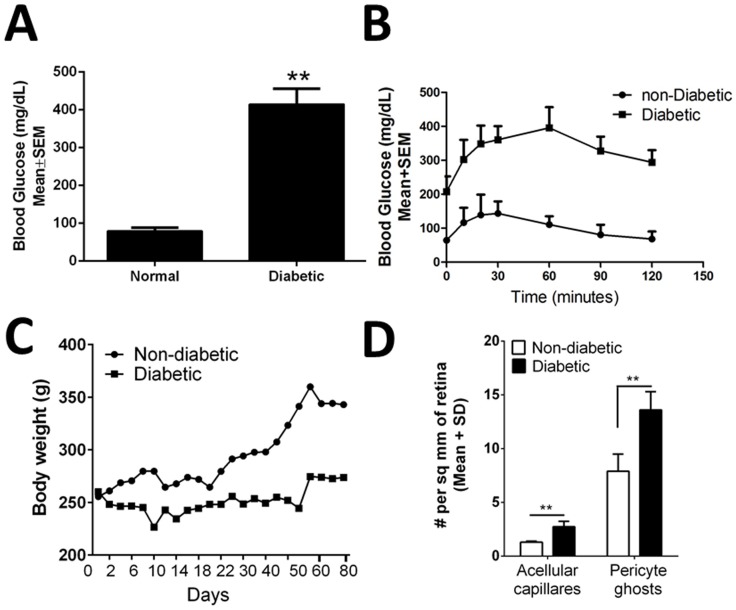
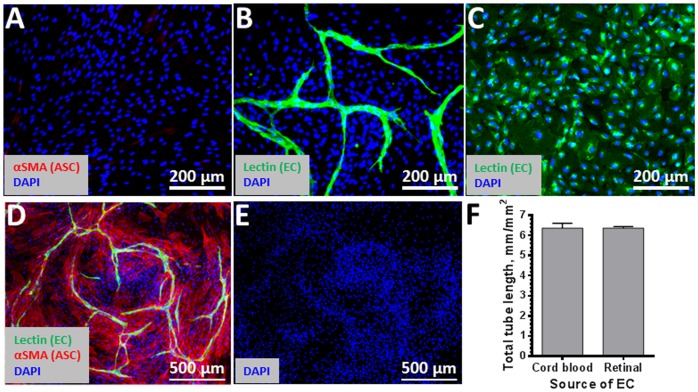
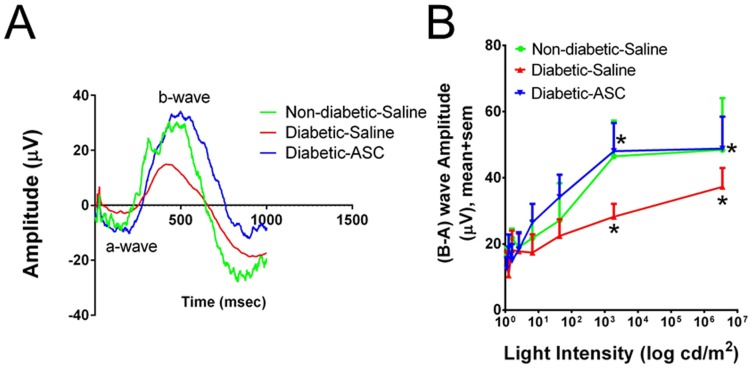
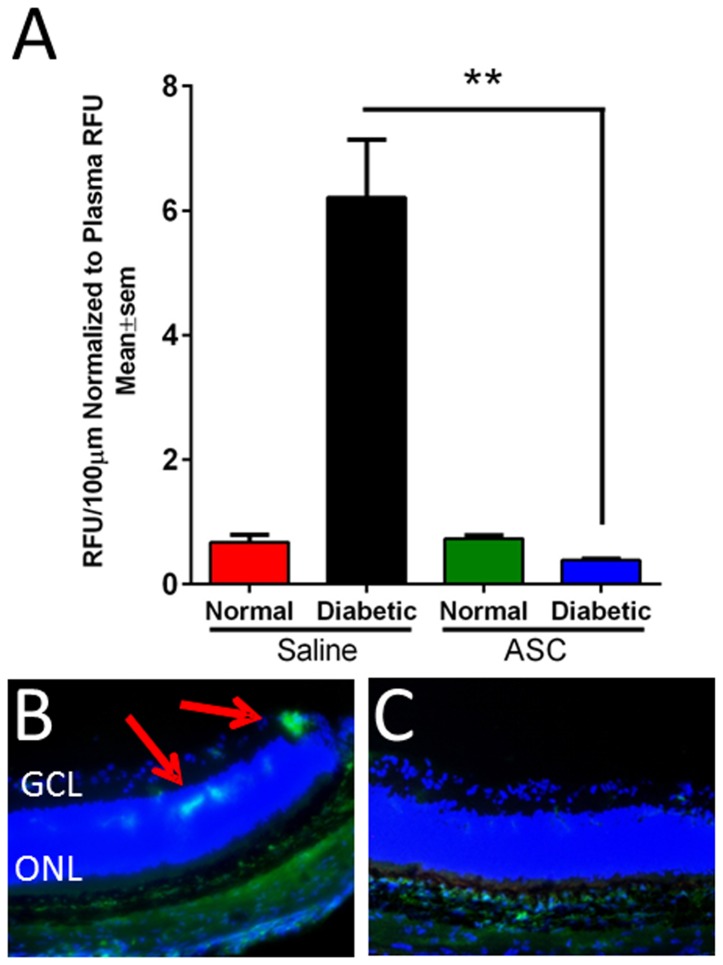
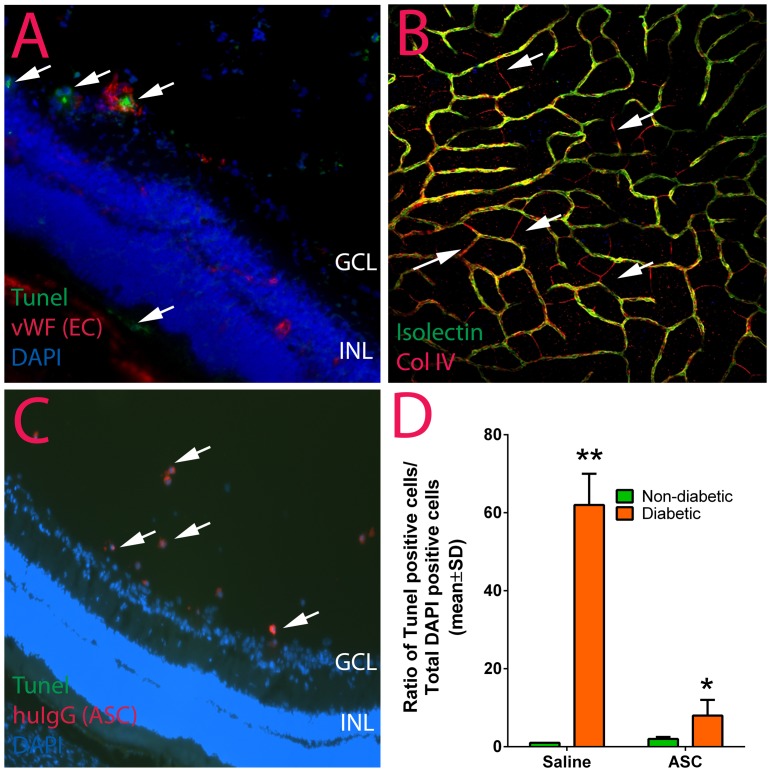
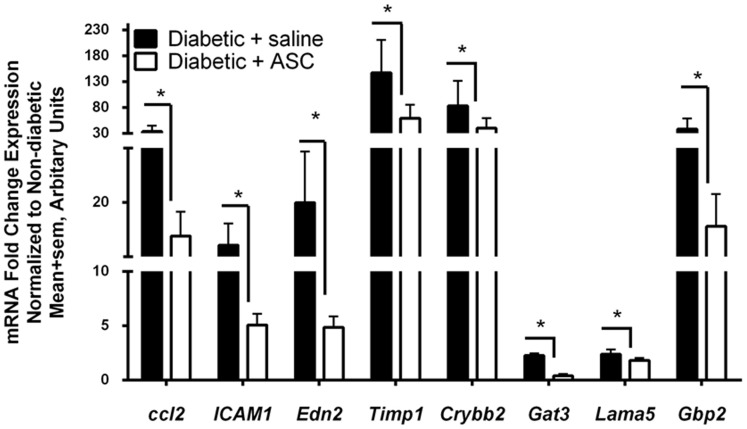
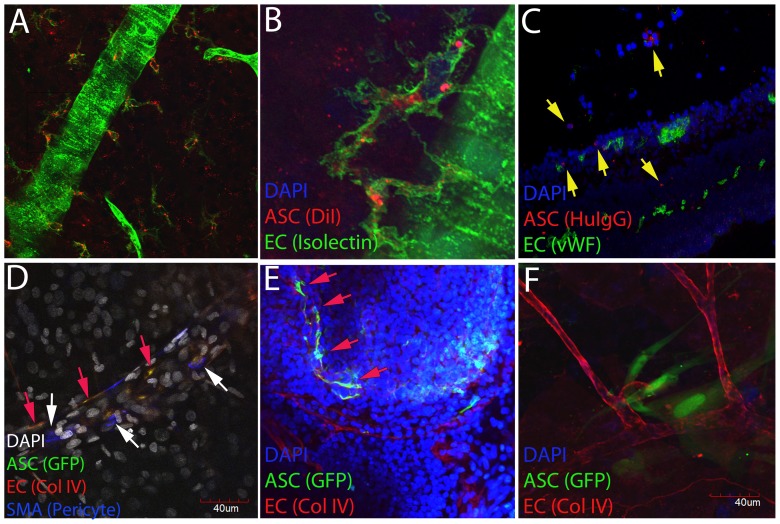
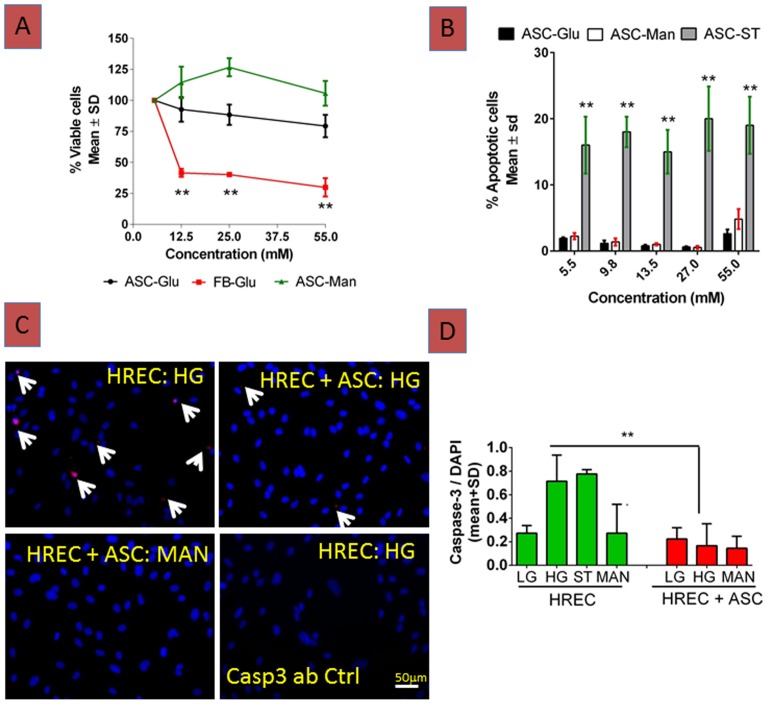
Diabetic retinopathy (DR) is the leading cause of blindness in working-age adults. Early stage DR involves inflammation, vascular leakage, apoptosis of vascular cells and neurodegeneration. In this study, we hypothesized that cells derived from the stromal fraction of adipose tissue (ASC) could therapeutically rescue early stage DR features. Streptozotocin (STZ) induced diabetic athymic nude rats received single intravitreal injection of human ASC into one eye and saline into the other eye. Two months post onset of diabetes, administration of ASC significantly improved "b" wave amplitude (as measured by electroretinogram) within 1-3 weeks of injection compared to saline treated diabetic eyes. Subsequently, retinal histopathological evaluation revealed a significant decrease in vascular leakage and apoptotic cells around the retinal vessels in the diabetic eyes that received ASC compared to the eyes that received saline injection. In addition, molecular analyses have shown down-regulation in inflammatory gene expression in diabetic retina that received ASC compared to eyes that received saline. Interestingly, ASC were found to be localized near retinal vessels at higher densities than seen in age matched non-diabetic retina that received ASC. In vitro, ASC displayed sustained proliferation and decreased apoptosis under hyperglycemic stress. In addition, ASC in co-culture with retinal endothelial cells enhance endothelial survival and collaborate to form vascular networks. Taken together, our findings suggest that ASC are able to rescue the neural retina from hyperglycemia-induced degeneration, resulting in importantly improved visual function. Our pre-clinical studies support the translational development of adipose stem cell-based therapy for DR to address both retinal capillary and neurodegeneration.
糖尿病性视网膜病变(DR)是导致工作年龄成年人失明的主要原因。早期 DR 涉及炎症、血管渗漏、血管细胞凋亡和神经退行性变。在这项研究中,我们假设源自脂肪组织基质部分的细胞(ASC)可以治疗性地挽救早期 DR 特征。链脲佐菌素(STZ)诱导的糖尿病无胸腺裸鼠一只眼接受人 ASC 的单次玻璃体内注射,另一只眼接受生理盐水注射。糖尿病发病后 2 个月,与接受生理盐水治疗的糖尿病眼相比,注射后 1-3 周内,ASC 的施用显著改善了“b”波幅度(通过视网膜电图测量)。随后,视网膜组织病理学评估显示,与接受生理盐水注射的眼睛相比,接受 ASC 的糖尿病眼睛中血管渗漏和视网膜血管周围的凋亡细胞显著减少。此外,分子分析显示,与接受生理盐水的眼睛相比,接受 ASC 的糖尿病视网膜中的炎症基因表达下调。有趣的是,与接受 ASC 的年龄匹配的非糖尿病视网膜相比,ASC 在视网膜血管附近的定位密度更高。在体外,ASC 在高血糖应激下表现出持续的增殖和减少的凋亡。此外,ASC 与视网膜内皮细胞共培养可增强内皮细胞的存活并共同形成血管网络。总之,我们的研究结果表明,ASC 能够挽救神经视网膜免受高血糖诱导的退化,从而显著改善视觉功能。我们的临床前研究支持基于脂肪干细胞的 DR 治疗的转化发展,以解决视网膜毛细血管和神经退行性变的问题。