Unidad de Neurobiología Aplicada, Consejo Nacional de Investigaciones Científicas y Técnicas (CONICET), Centro de Educación Médica e Investigaciones Clínicas Norberto Quirno (CEMIC), Ciudad Autonoma de Buenos Aires Buenos Aires, Argentina.
Office of Research, University of Nebraska Lincoln, NE, USA ; Department of Psychology, University of Nebraska Lincoln, NE, USA.
Front Psychol. 2014 Mar 13;5:205. doi: 10.3389/fpsyg.2014.00205. eCollection 2014.
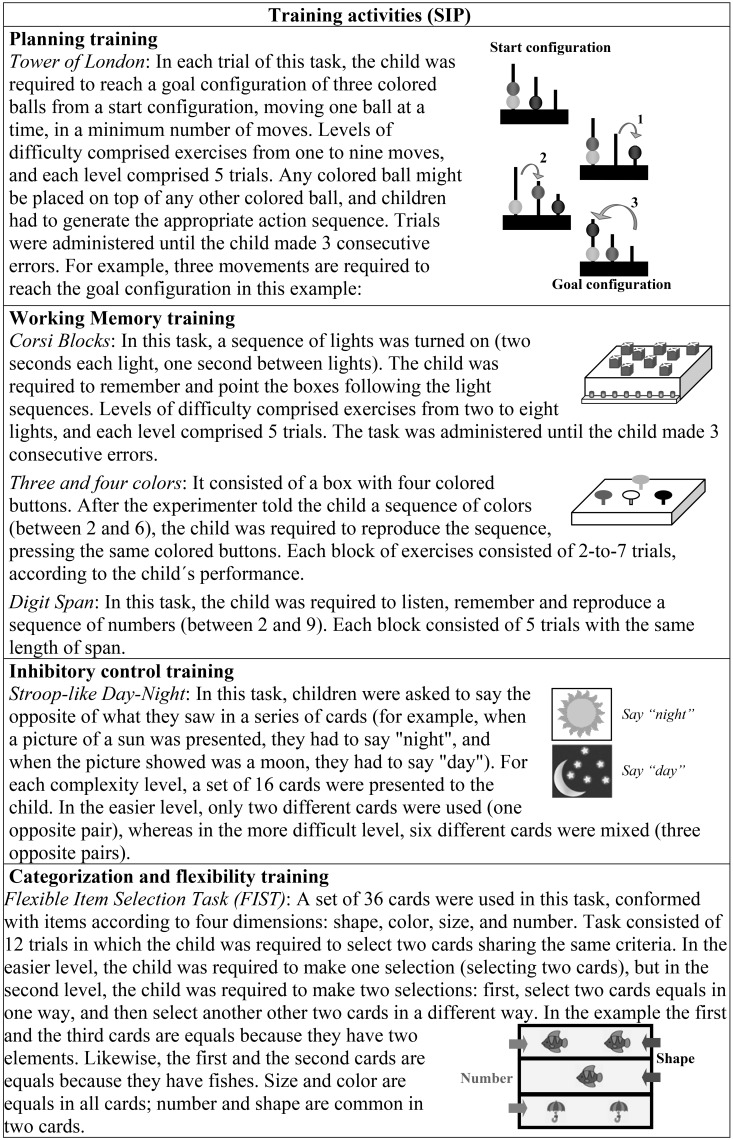
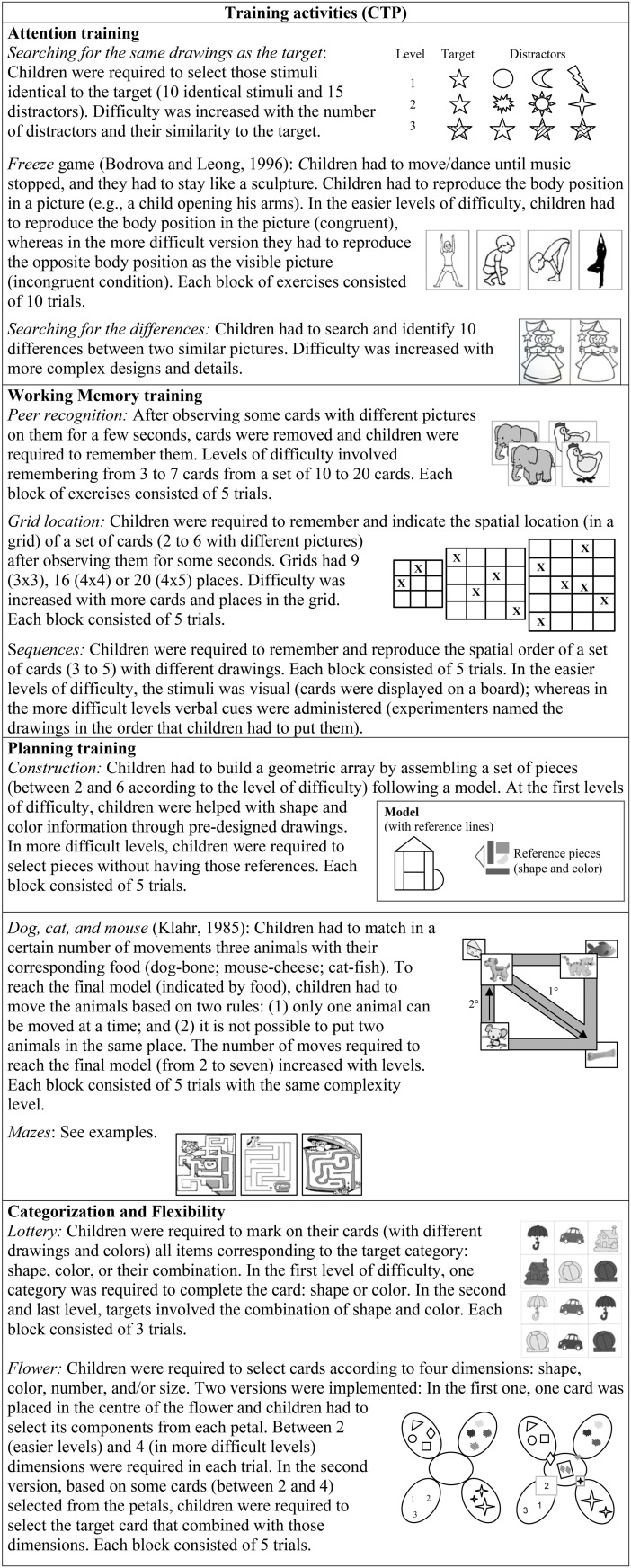
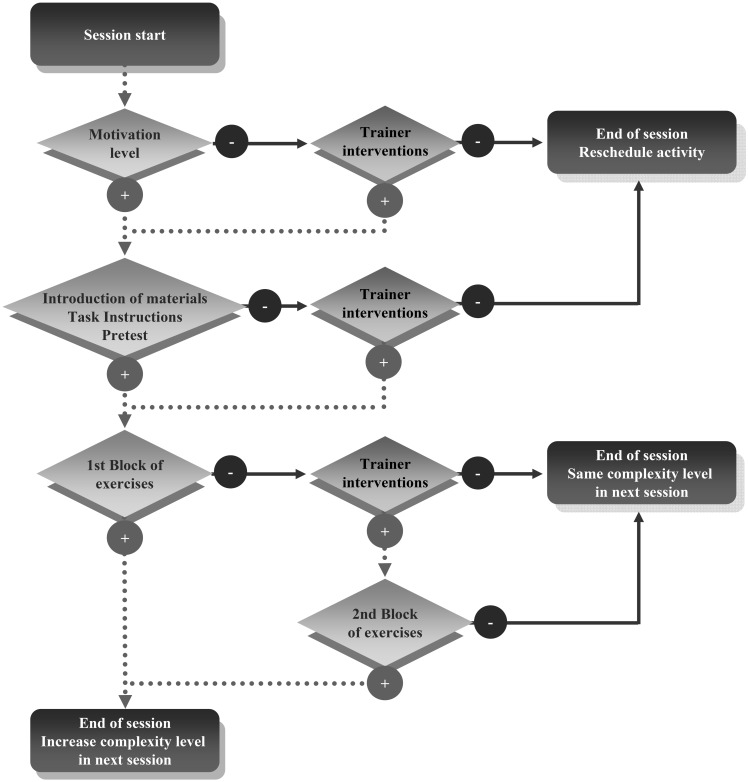
The association between socioeconomic status and child cognitive development, and the positive impact of interventions aimed at optimizing cognitive performance, are well-documented. However, few studies have examined how specific socio-environmental factors may moderate the impact of cognitive interventions among poor children. In the present study, we examined how such factors predicted cognitive trajectories during the preschool years, in two samples of children from Argentina, who participated in two cognitive training programs (CTPs) between the years 2002 and 2005: the School Intervention Program (SIP; N = 745) and the Cognitive Training Program (CTP; N = 333). In both programs children were trained weekly for 16 weeks and tested before and after the intervention using a battery of tasks assessing several cognitive control processes (attention, inhibitory control, working memory, flexibility and planning). After applying mixed model analyses, we identified sets of socio-environmental predictors that were associated with higher levels of pre-intervention cognitive control performance and with increased improvement in cognitive control from pre- to post-intervention. Child age, housing conditions, social resources, parental occupation and family composition were associated with performance in specific cognitive domains at baseline. Housing conditions, social resources, parental occupation, family composition, maternal physical health, age, group (intervention/control) and the number of training sessions were related to improvements in specific cognitive skills from pre- to post-training.
社会经济地位与儿童认知发展之间的关系,以及旨在优化认知表现的干预措施的积极影响,都有充分的记录。然而,很少有研究探讨特定的社会环境因素如何调节认知干预对贫困儿童的影响。在本研究中,我们研究了这些因素如何在两个来自阿根廷的儿童样本中预测学龄前认知轨迹,这两个样本的儿童在 2002 年至 2005 年间参加了两项认知训练计划(CTP):学校干预计划(SIP;N=745)和认知训练计划(CTP;N=333)。在这两个项目中,儿童每周接受一次 16 周的培训,并在干预前后使用一系列评估注意力、抑制控制、工作记忆、灵活性和计划等几种认知控制过程的任务进行测试。在应用混合模型分析后,我们确定了一组社会环境预测因子,这些因子与较高的认知控制前测表现和认知控制从前测到后测的提高有关。儿童年龄、住房条件、社会资源、父母职业和家庭构成与基线时特定认知领域的表现有关。住房条件、社会资源、父母职业、家庭构成、母亲身体健康状况、年龄、组(干预/对照)和培训次数与从培训前到培训后的特定认知技能的提高有关。