Richers Matthew T, Breugst Martin, Platonova Alena Yu, Ullrich Anja, Dieckmann Arne, Houk K N, Seidel Daniel
Department of Chemistry and Chemical Biology, Rutgers, The State University of New Jersey , Piscataway, New Jersey 08854, United States.
J Am Chem Soc. 2014 Apr 23;136(16):6123-35. doi: 10.1021/ja501988b. Epub 2014 Apr 14.
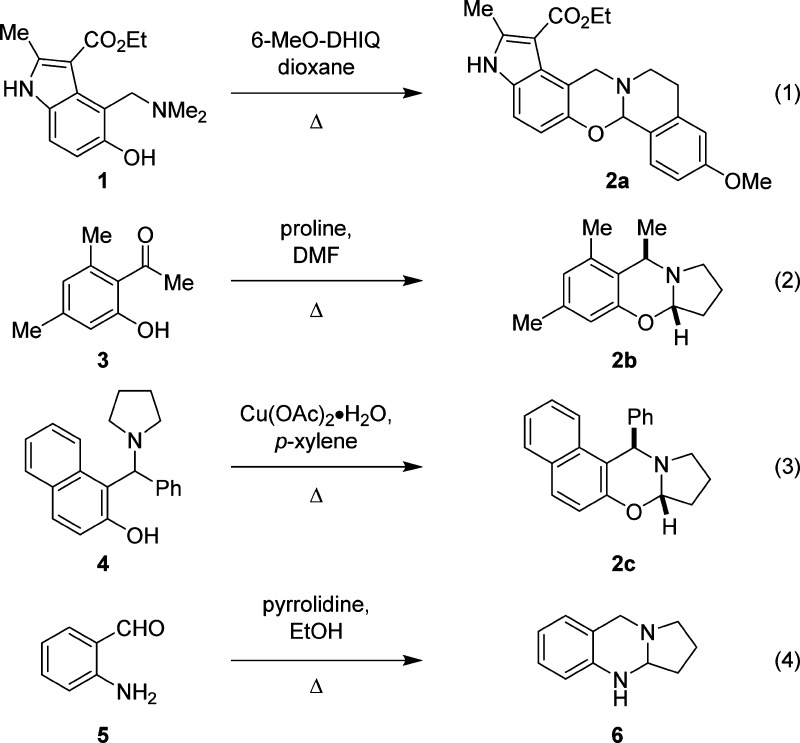
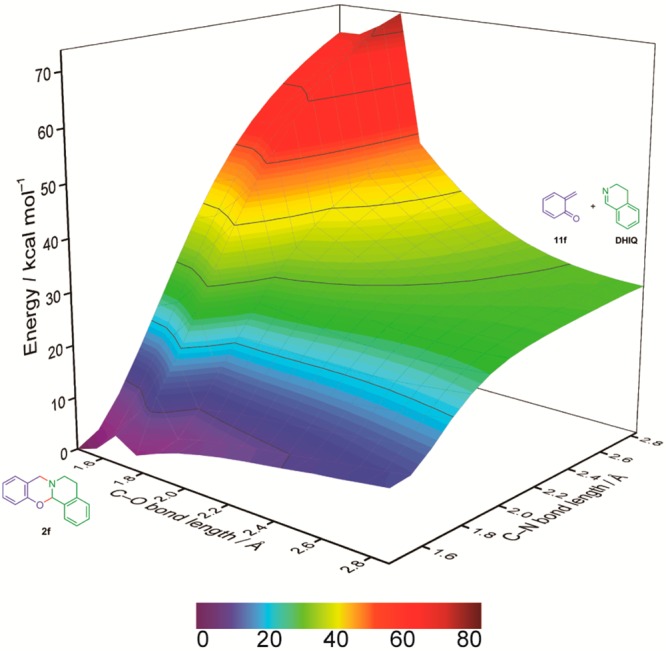
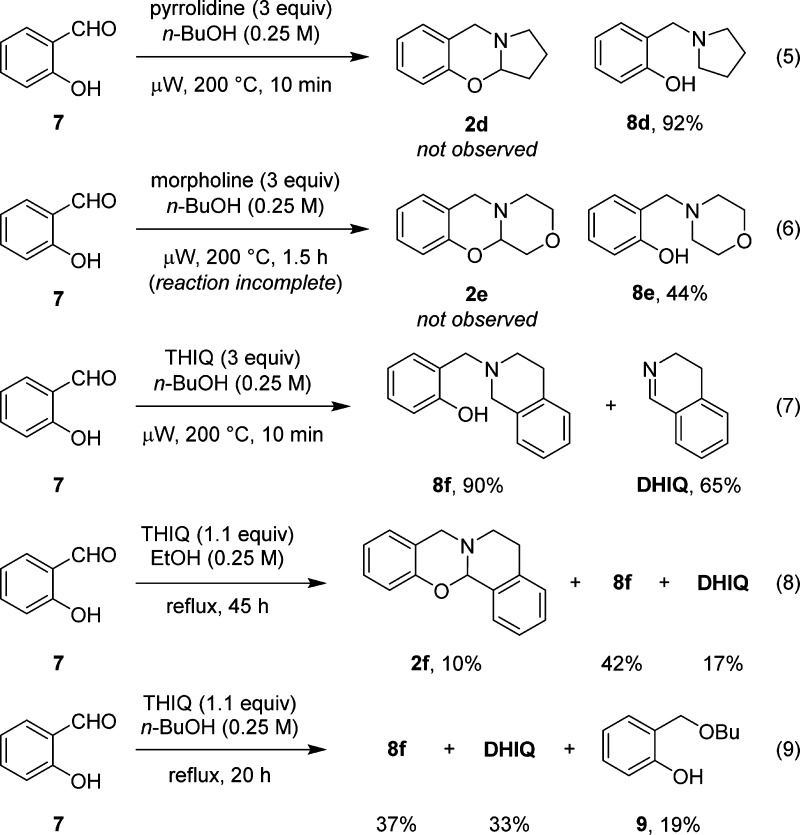
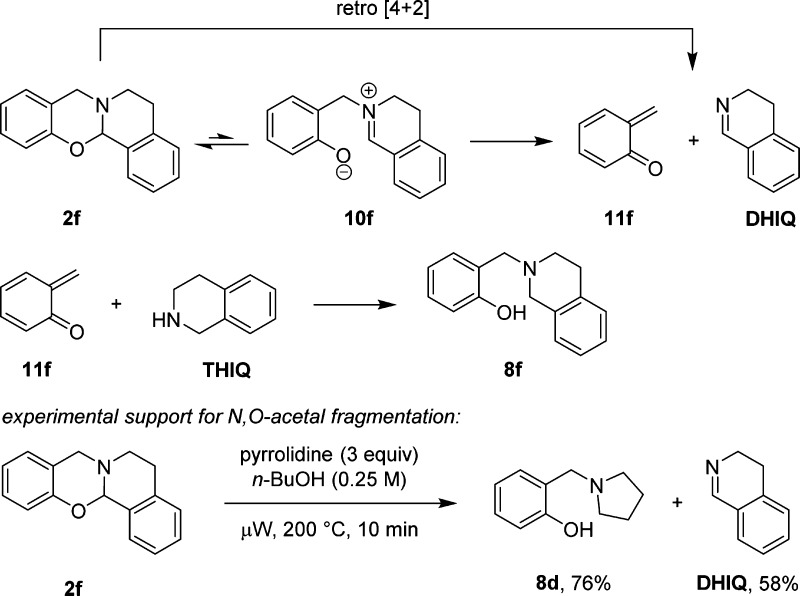
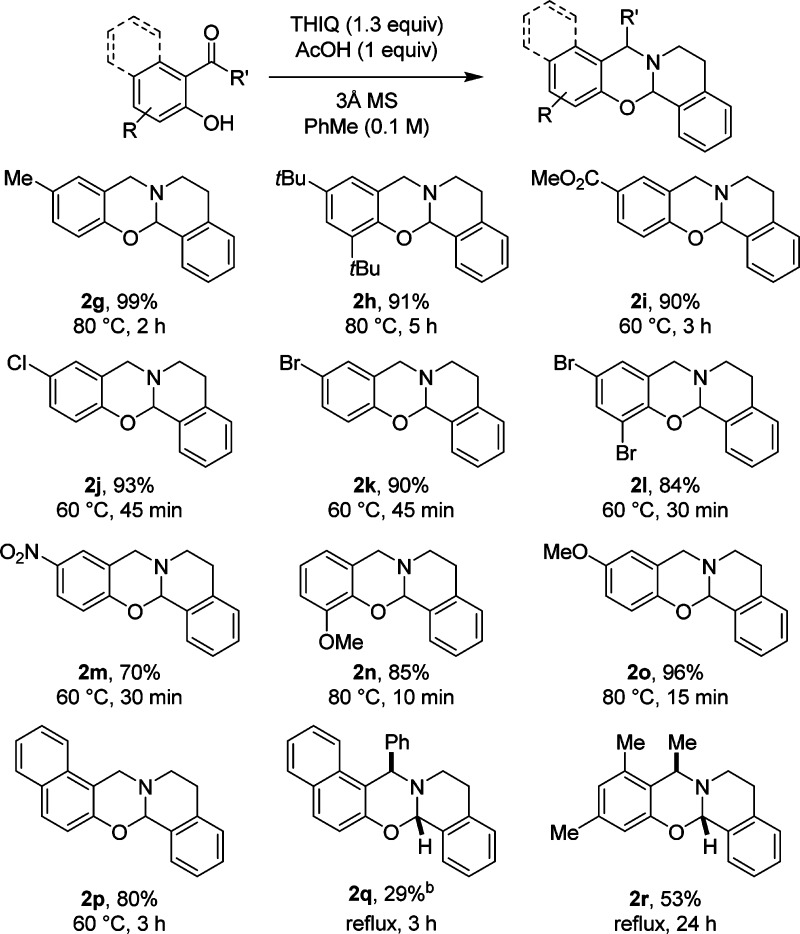
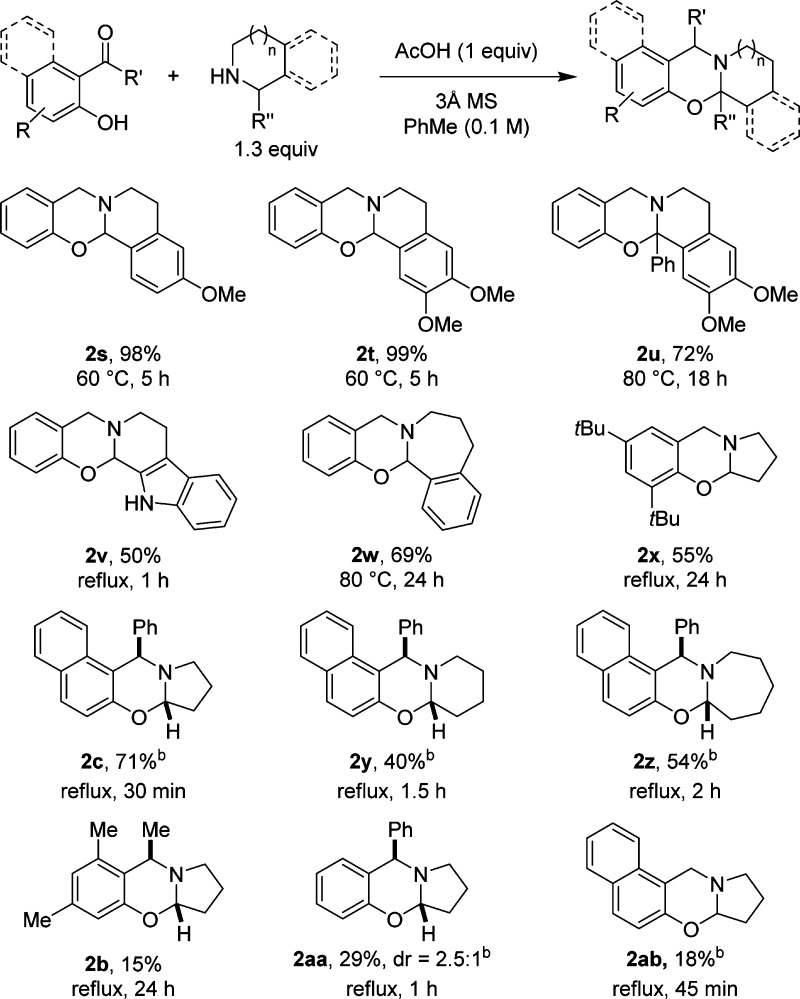
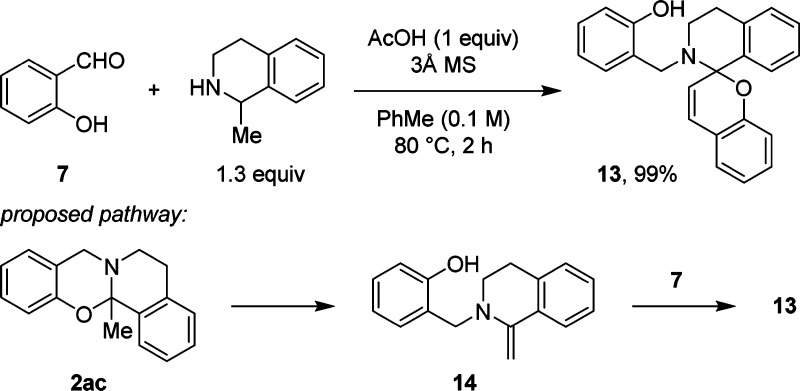
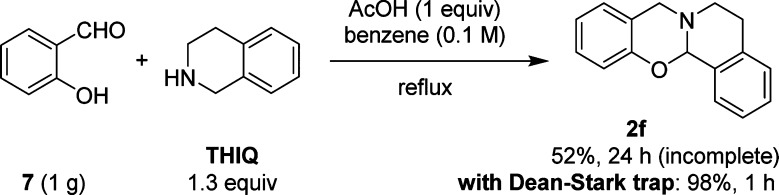
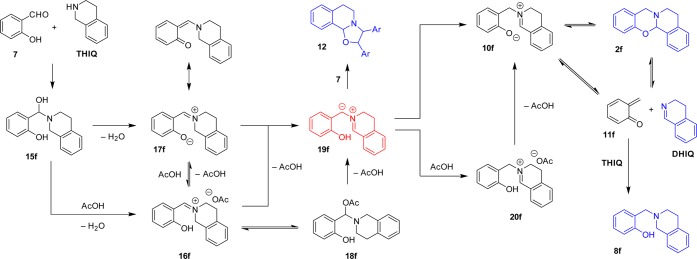
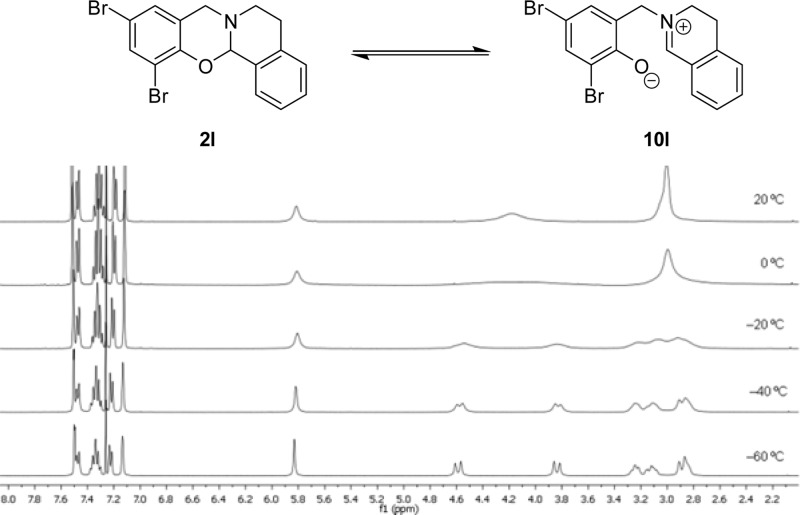
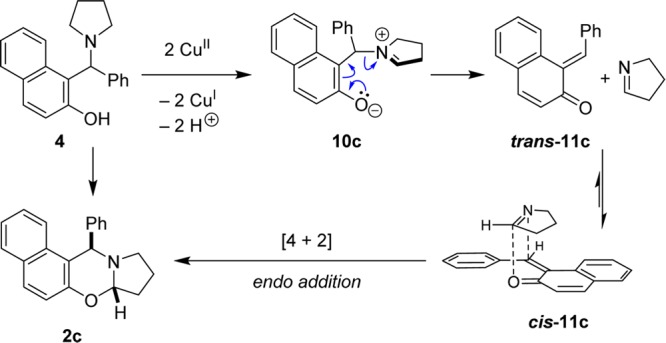
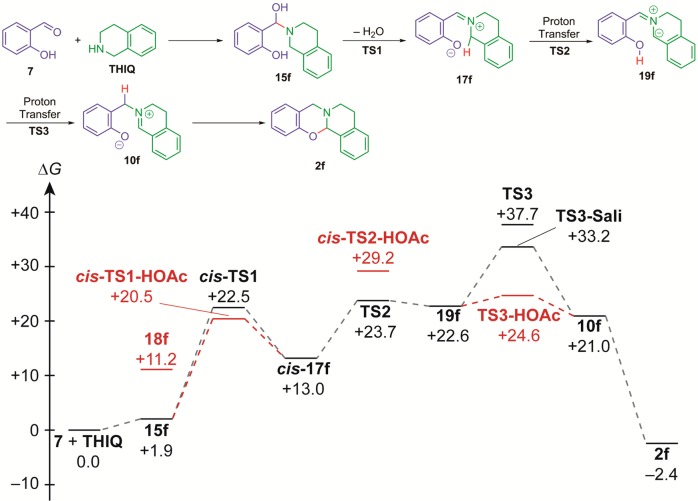
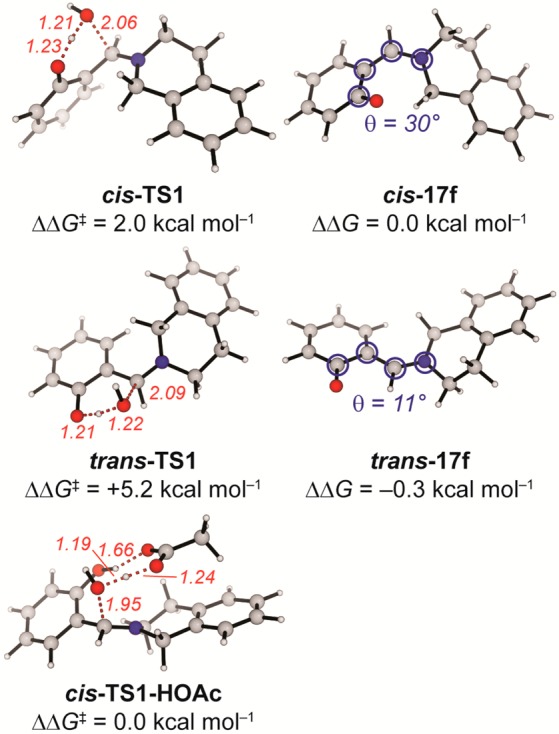
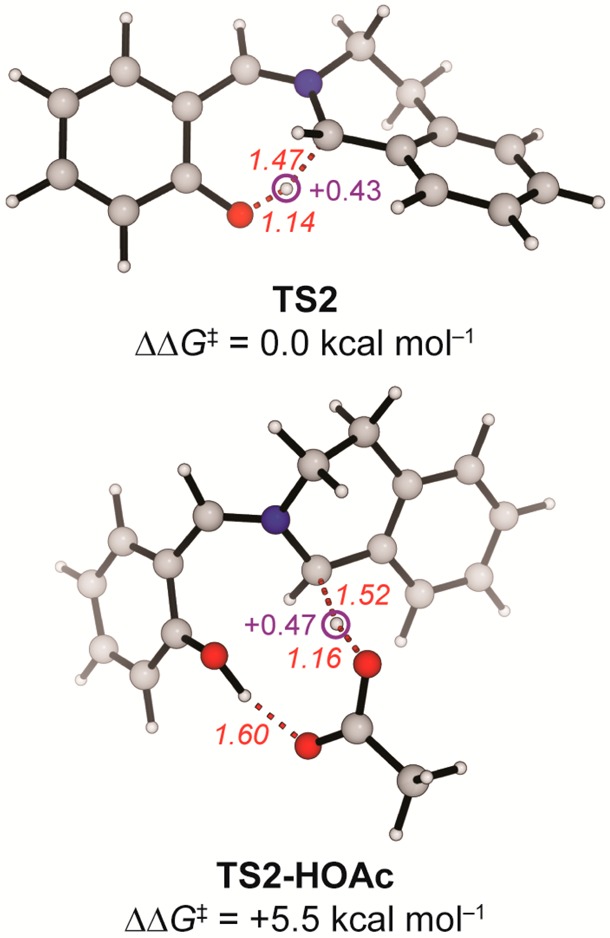
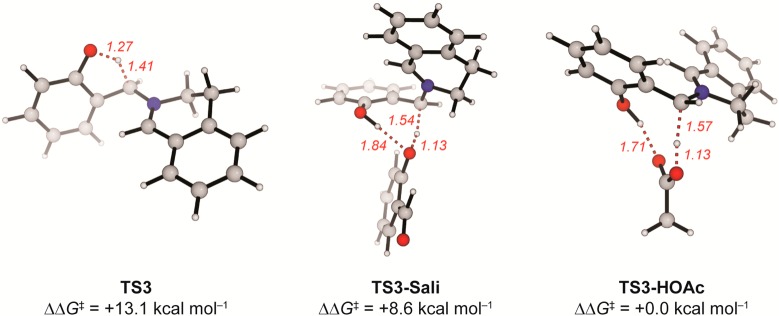
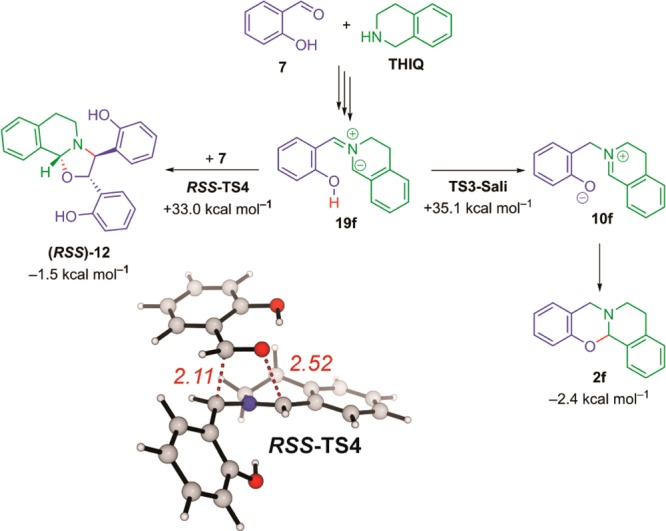
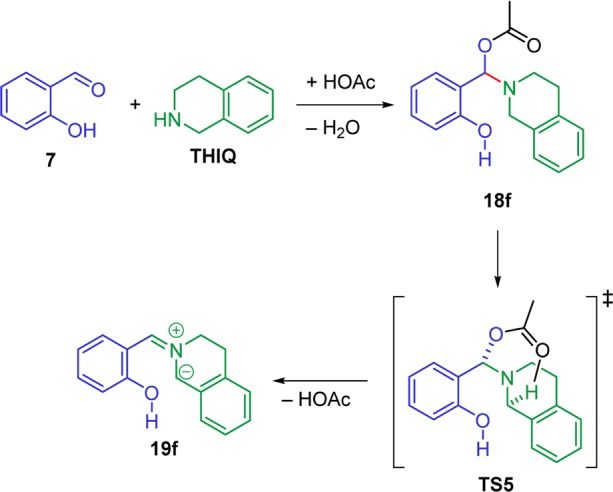
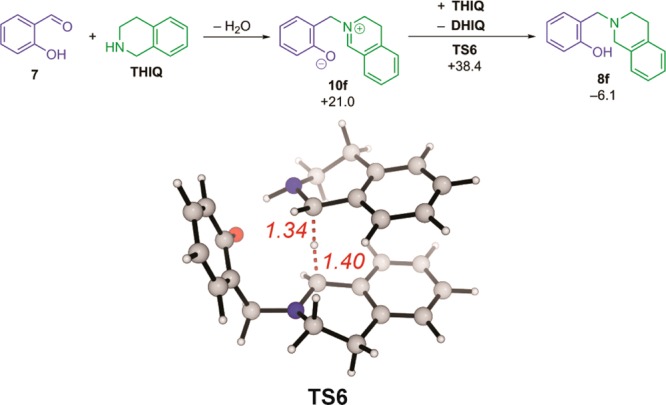
Cyclic secondary amines and 2-hydroxybenzaldehydes or related ketones react to furnish benzo[e][1,3]oxazine structures in generally good yields. This overall redox-neutral amine α-C-H functionalization features a combined reductive N-alkylation/oxidative α-functionalization and is catalyzed by acetic acid. In contrast to previous reports, no external oxidants or metal catalysts are required. Reactions performed under modified conditions lead to an apparent reductive amination and the formation of o-hydroxybenzylamines in a process that involves the oxidation of a second equivalent of amine. A detailed computational study employing density functional theory compares different mechanistic pathways and is used to explain the observed experimental findings. Furthermore, these results also reveal the origin of the catalytic efficiency of acetic acid in these transformations.
环状仲胺与2-羟基苯甲醛或相关酮反应,通常能以良好的产率得到苯并[e][1,3]恶嗪结构。这种总体上氧化还原中性的胺α-C-H官能化具有还原N-烷基化/氧化α-官能化相结合的特点,且由乙酸催化。与先前的报道不同,该反应不需要外部氧化剂或金属催化剂。在改良条件下进行的反应会导致明显的还原胺化,并在涉及第二当量胺氧化的过程中形成邻羟基苄胺。一项采用密度泛函理论的详细计算研究比较了不同的机理途径,并用于解释观察到的实验结果。此外,这些结果还揭示了乙酸在这些转化中催化效率的来源。