Yang Hai-Chen, Liu Tie-Bang, Rong Han, Bi Jian-Qiang, Ji Er-Ni, Peng Hong-Jun, Wang Xiao-Ping, Fang Yi-Ru, Yuan Cheng-Mei, Si Tian-Mei, Lu Zheng, Hu Jian, Chen Zhi-Yu, Huang Yi, Sun Jing, Li Hui-Chun, Hu Chen, Zhang Jin-Bei, Li Ling-Jiang
Division of Mood Disorders, Shenzhen Mental Health Centre, Shenzhen Key Lab for Psychological Healthcare, Guangdong, China.
Mental Health Institute, The Second Xiangya Hospital, Central South University, Hunan, China.
PLoS One. 2014 Apr 4;9(4):e91895. doi: 10.1371/journal.pone.0091895. eCollection 2014.
The aim of this study was to test the ability of the Chinese version of the Mood Disorder Questionnaire (MDQ) to identify Bipolar Disorders (BD) in patients diagnosed with Major Depressive Disorder (MDD) or Unipolar Disorder (UD) in the clinical setting.
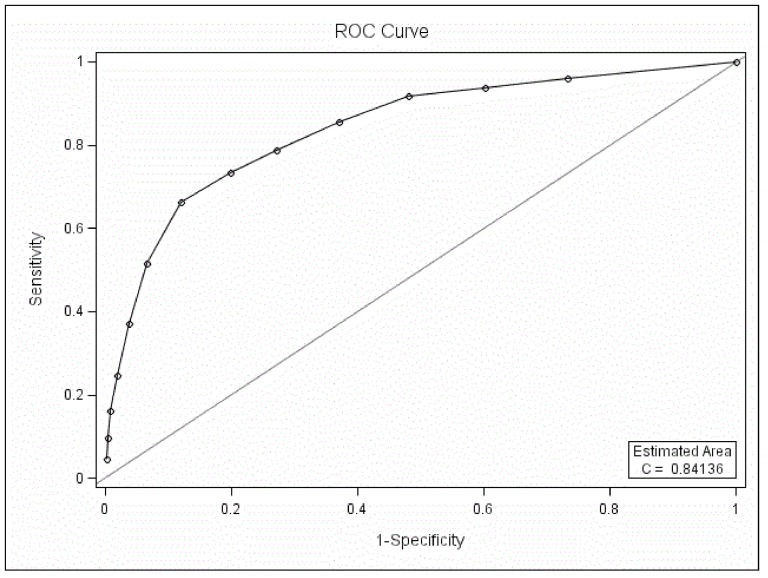
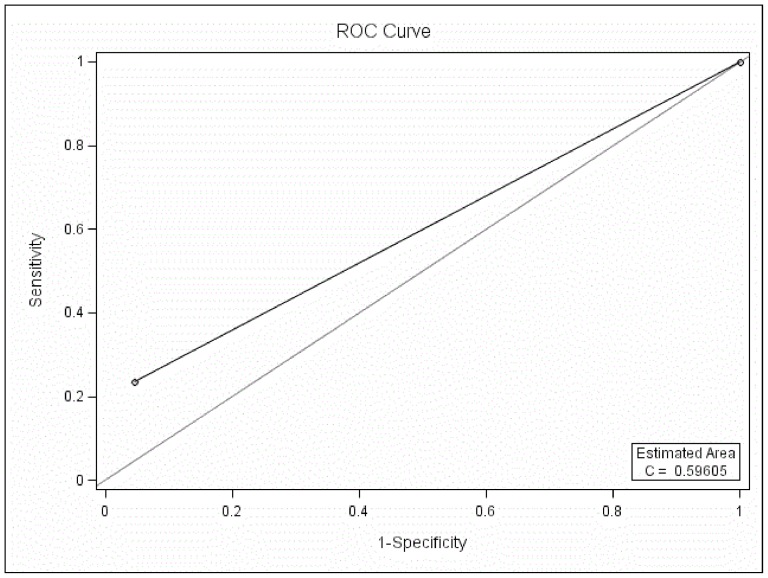
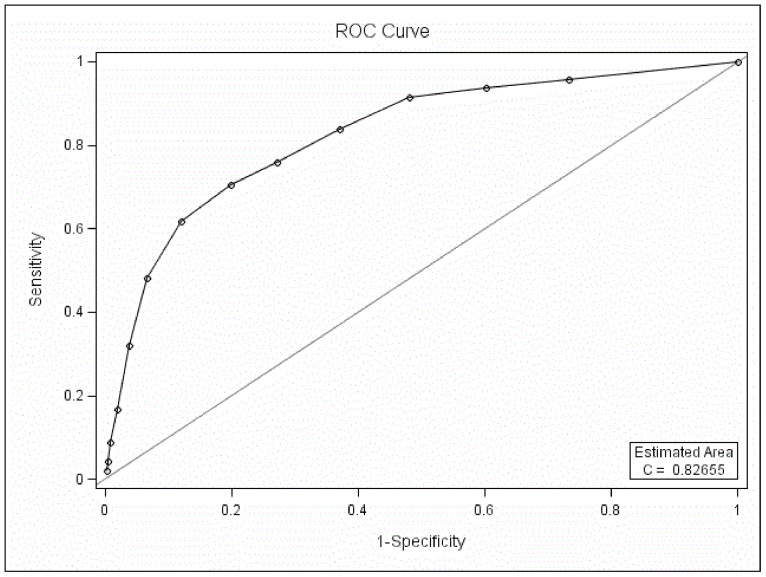
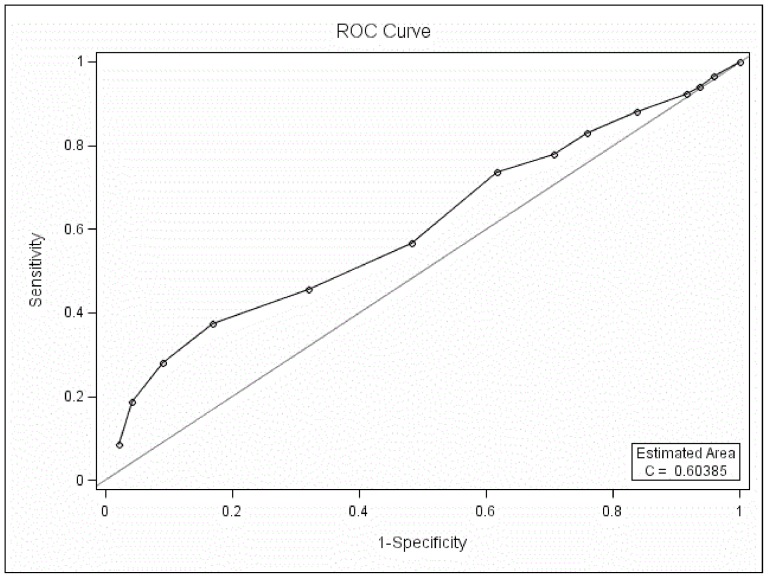
1,487 being treated for MDD or UD at 12 mental health centers across China, completed the MDQ and subsequently examined by the Mini International Neuropsychiatric Interview (MINI). Receiver Operating Characteristic(ROC) curves were used to determine the ability of the MDQ to differentiate between BD (BD, BD-I and BD-II) and MDD or UD and patients with BD-I from patients with BD-II.
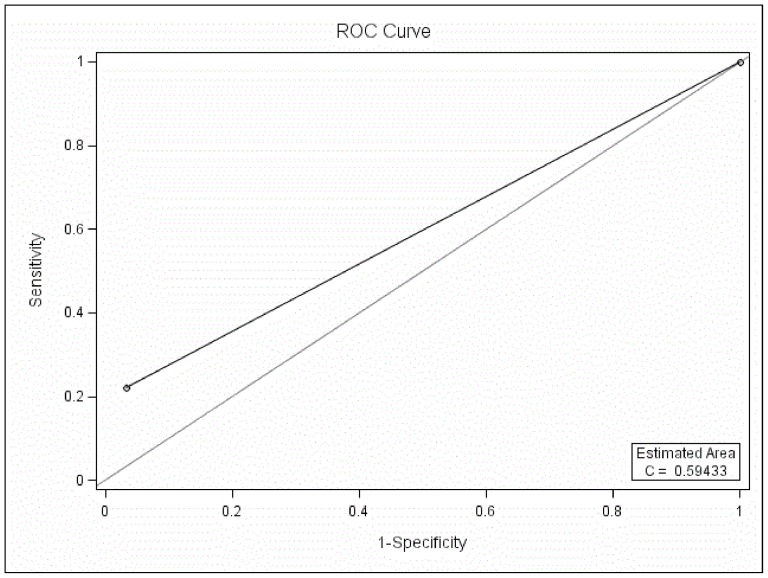
Of the 1,487 patients, 309 (20.8%) satisfied the DSM-IV criteria for BD: 118 (7.9%) for BD-I and 191 (12.8%) for BD-II. When only part one of the MDQ was used, the best cutoff was 7 between BD and UD (sensitivity 0.66, specificity 0.88, positive predictive value 0.59, negative predictive value 0.91), 6 between BD-II and UD, and 10 between BD-I and BD-II. If all three parts of the MDQ were used, the MDQ could not distinguish between BD and UD at a cutoff of 7 (or 6), and the sensitivity was only 0.22 (or 0.24).
The Chinese version of the MDQ had good psychometric features in screening bipolar disorders from depressive patients with mood disorders when part two and part three of the MDQ were ignored.
本研究旨在测试中文版心境障碍问卷(MDQ)在临床环境中识别诊断为重度抑郁症(MDD)或单相障碍(UD)患者中的双相情感障碍(BD)的能力。
在中国12个精神卫生中心接受MDD或UD治疗的1487名患者完成了MDQ,随后接受了迷你国际神经精神访谈(MINI)检查。采用受试者工作特征(ROC)曲线来确定MDQ区分BD(BD、BD-I和BD-II)与MDD或UD以及区分BD-I患者与BD-II患者的能力。
在1487名患者中,309名(20.8%)符合BD的DSM-IV标准:BD-I为118名(7.9%),BD-II为191名(12.8%)。仅使用MDQ的第一部分时,BD与UD之间的最佳截断值为7(敏感性0.66,特异性0.88,阳性预测值0.59,阴性预测值0.91),BD-II与UD之间为6,BD-I与BD-II之间为10。如果使用MDQ的所有三个部分,在截断值为7(或6)时,MDQ无法区分BD与UD,敏感性仅为0.22(或0.24)。
当忽略MDQ的第二部分和第三部分时,中文版MDQ在从患有心境障碍的抑郁患者中筛查双相情感障碍方面具有良好的心理测量学特征。