Popiel Delfina, Koczyk Grzegorz, Dawidziuk Adam, Gromadzka Karolina, Blaszczyk Lidia, Chelkowski Jerzy
Institute of Plant Genetics Polish Academy of Sciences, Poznan, Poland.
BMC Microbiol. 2014 Apr 3;14:82. doi: 10.1186/1471-2180-14-82.
Zearalenone is a mycotoxin produced by several species of Fusarium genus, most notably Fusarium graminearum and Fusarium culmorum. This resorcylic acid lactone is one of the most important toxins causing serious animal and human diseases. For over two decades it has been known that the mycoparasitic fungus Clonostachys rosea (synonym: Gliocladium roseum, teleomorph: Bionectria ochroleuca) can detoxify zearalenone, however no such attributes have been described within the Trichoderma genus.
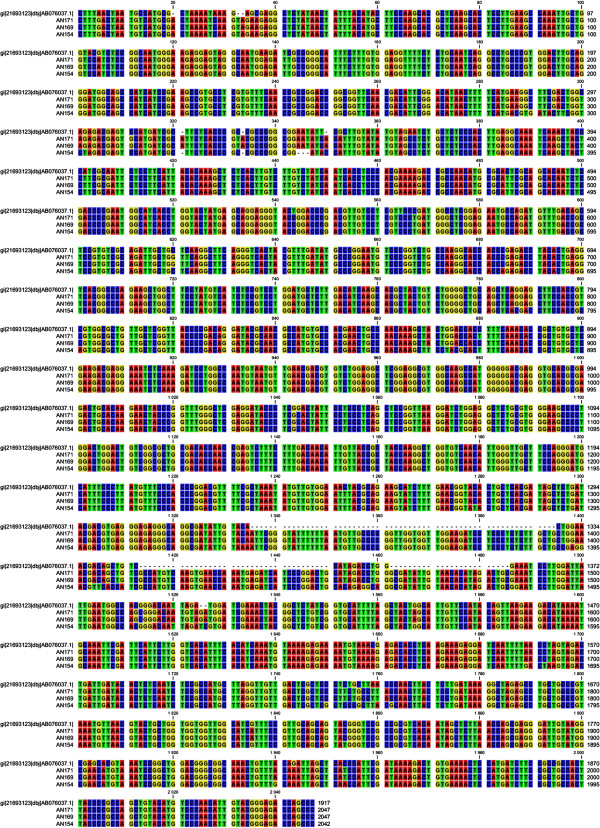
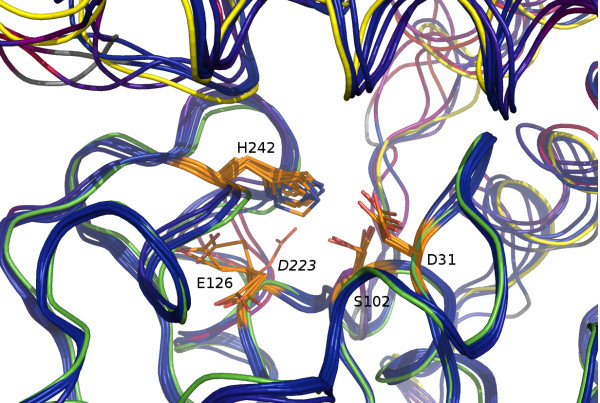
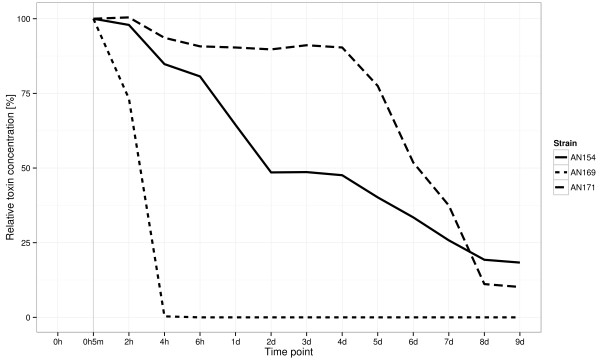
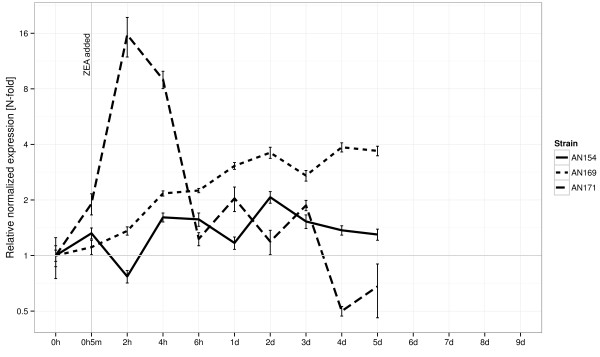
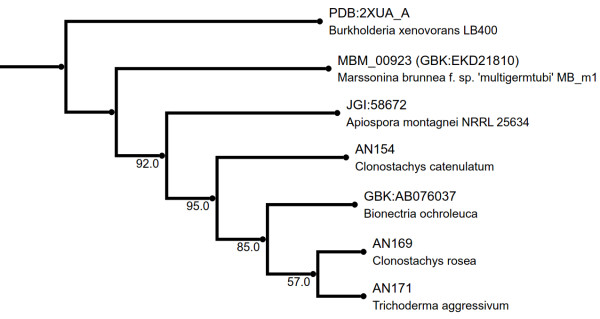
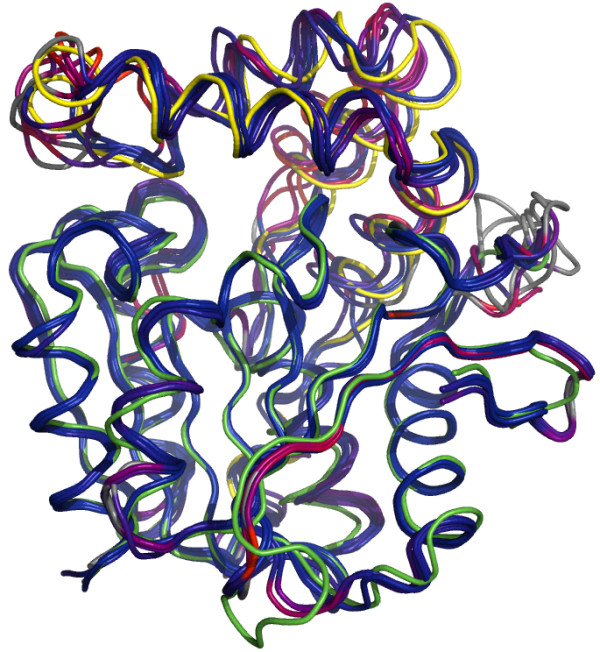
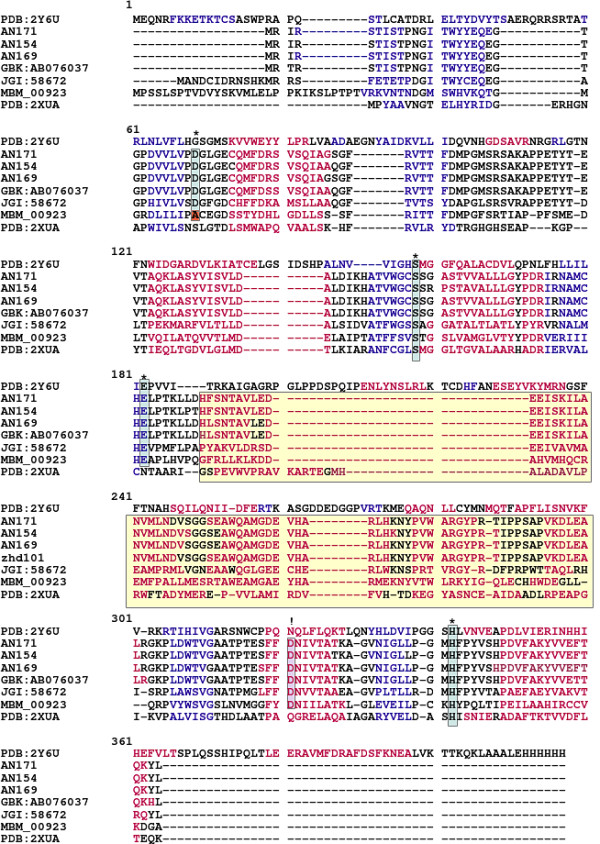
We screened for the presence of zearalenone lactonohydrolase homologs in isolates of Clonostachys and Trichoderma genera. We report first finding of expressed zearalenone lactonohydrolase in Trichoderma aggressivum. For three isolates (T. aggressivum, C. rosea and Clonostachys catenulatum isolates), we were able to reconstruct full coding sequence and verify the biotransformation ability potential. Additionally, we assessed progression of the detoxification process (in terms of transcript accumulation and mycotoxin decomposition in vitro).In silico, search for origins of zearalenone lactonohydrolase activity in model fungal and bacterial genomes has shown that zearalenone lactonohydrolase homologs form a monophyletic fungal clade among the a/b hydrolase superfamily representatives. We corroborated the finding of functional enzyme homologs by investigating the functional sites (active site pocket with postulated, noncanonical Ser-Glu-His catalytic triad) conserved in both multiple sequence alignment and in homology-based structural models.
Our research shows the first finding of a functional zearalenone lactonohydrolase in mycoparasitic Trichoderma aggressivum (an activity earlier characterised in the Clonostachys rosea strains). The supporting evidence for presence and activity of functional enzyme homologs is based on the chemical analyses, gene expression patterns, homology models showing conservation of key structural features and marked reduction of zearalenone content in cultured samples (containing both medium and mycelium). Our findings also show divergent strategies of zearalenone biotransformation ability (rapid induced expression and detoxification vs. gradual detoxification) present in several members of Hypocreales order (Trichoderma and Clonostachys genera). The potential for lactonhydrolase activity directed towards zearalenone and/or similar compounds is likely ancient, with homologs present in several divergent filamentous fungi among both Sordariomycetes (Bionectria sp., Trichoderma sp., Apiospora montagnei) and Leotiomycetes (Marssonina brunnea f. sp. 'multigermtubi').
玉米赤霉烯酮是由镰刀菌属的几种菌种产生的霉菌毒素,最显著的是禾谷镰刀菌和燕麦镰刀菌。这种间苯二酚酸内酯是导致严重动物和人类疾病的最重要毒素之一。二十多年来,人们已经知道寄生真菌粉红粘帚霉(同义词:粉红粘帚菌,有性型:赭黄丝葚霉)可以使玉米赤霉烯酮解毒,然而木霉属中尚未描述有此类特性。
我们在粘帚霉属和木霉属的分离株中筛选了玉米赤霉烯酮内酯水解酶同源物的存在情况。我们首次报道了在强寄生木霉中发现了表达的玉米赤霉烯酮内酯水解酶。对于三株分离株(强寄生木霉、粉红粘帚霉和链状粘帚霉分离株),我们能够重建完整的编码序列并验证其生物转化能力潜力。此外,我们评估了解毒过程的进展(从转录积累和体外霉菌毒素分解方面)。在计算机模拟中,在模式真菌和细菌基因组中搜索玉米赤霉烯酮内酯水解酶活性的起源表明,玉米赤霉烯酮内酯水解酶同源物在a/b水解酶超家族代表中形成了一个单系真菌分支。我们通过研究在多序列比对和基于同源性的结构模型中都保守的功能位点(具有假定的非典型丝氨酸 - 谷氨酸 - 组氨酸催化三联体的活性位点口袋),证实了功能性酶同源物的发现。
我们的研究首次报道了在寄生性强的木霉中发现了功能性的玉米赤霉烯酮内酯水解酶(这种活性在粉红粘帚霉菌株中已有早期特征描述)。功能性酶同源物存在及其活性的支持证据基于化学分析、基因表达模式、显示关键结构特征保守性的同源性模型以及培养样品(包含培养基和菌丝体)中玉米赤霉烯酮含量的显著降低。我们的研究结果还表明,肉座菌目(木霉属和粘帚霉属)的几个成员中存在不同的玉米赤霉烯酮生物转化能力策略(快速诱导表达和解毒与逐渐解毒)。针对玉米赤霉烯酮和/或类似化合物的内酯水解酶活性潜力可能是古老的,在粪壳菌纲(赭黄丝葚霉属、木霉属、蒙特阿普孢霉)和锤舌菌纲(苹果黑星病菌多芽管变种)的几种不同丝状真菌中都存在同源物。