Zhao Xiang, Cui Haixin, Chen Wenjie, Wang Yan, Cui Bo, Sun Changjiao, Meng Zhigang, Liu Guoqiang
Institute of Environment and Sustainable Development in Agriculture, Chinese Academy of Agricultural Sciences, Beijing, China; Nano biological Research Center, Chinese Academy of Agricultural Sciences, Beijing, China.
Institute of Environment and Sustainable Development in Agriculture, Chinese Academy of Agricultural Sciences, Beijing, China.
PLoS One. 2014 Jun 9;9(6):e98919. doi: 10.1371/journal.pone.0098919. eCollection 2014.
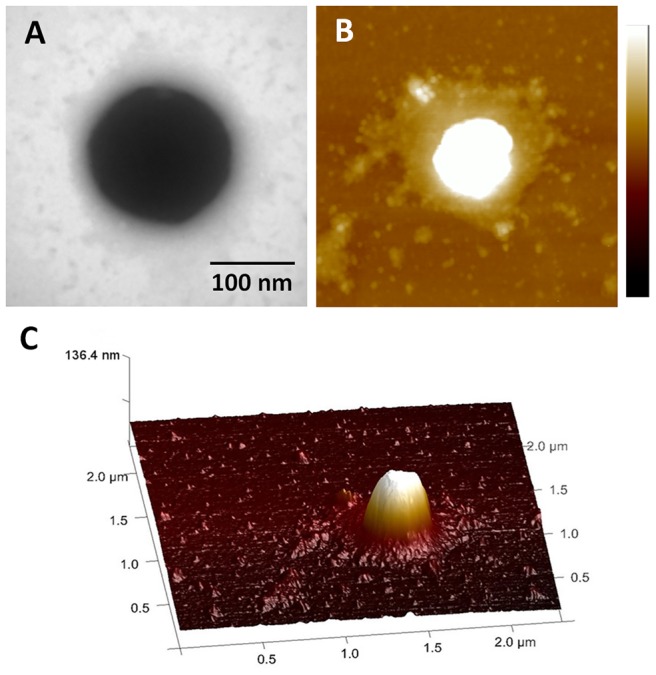
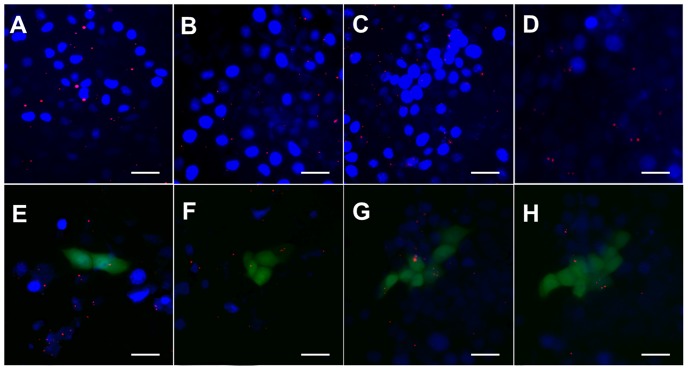
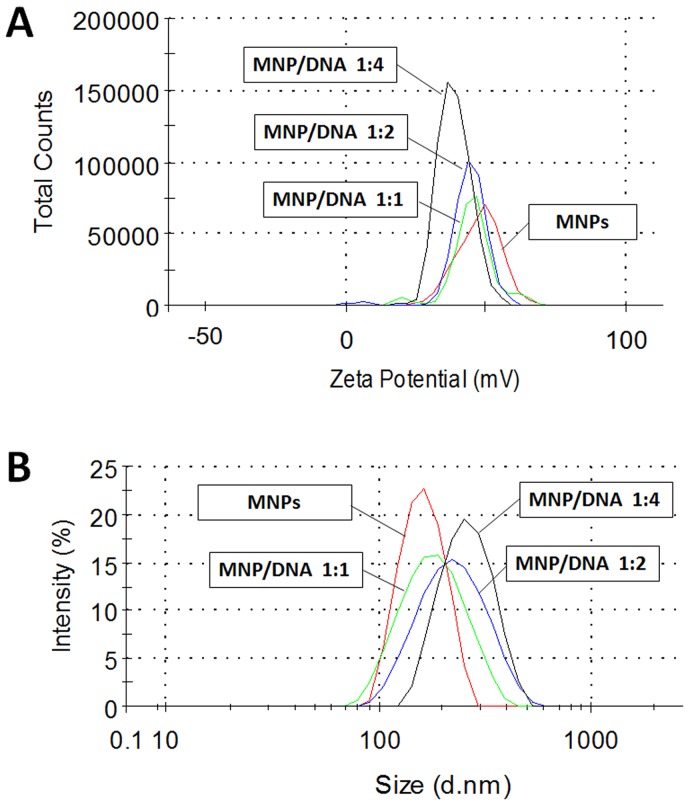
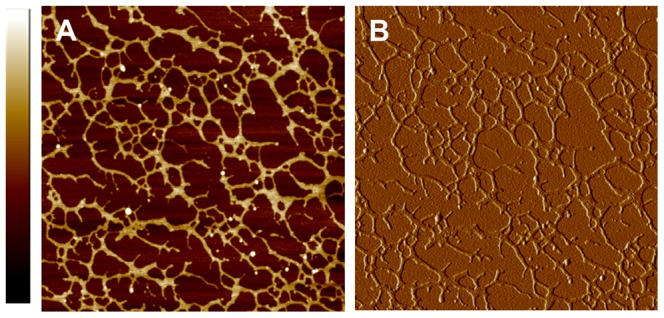
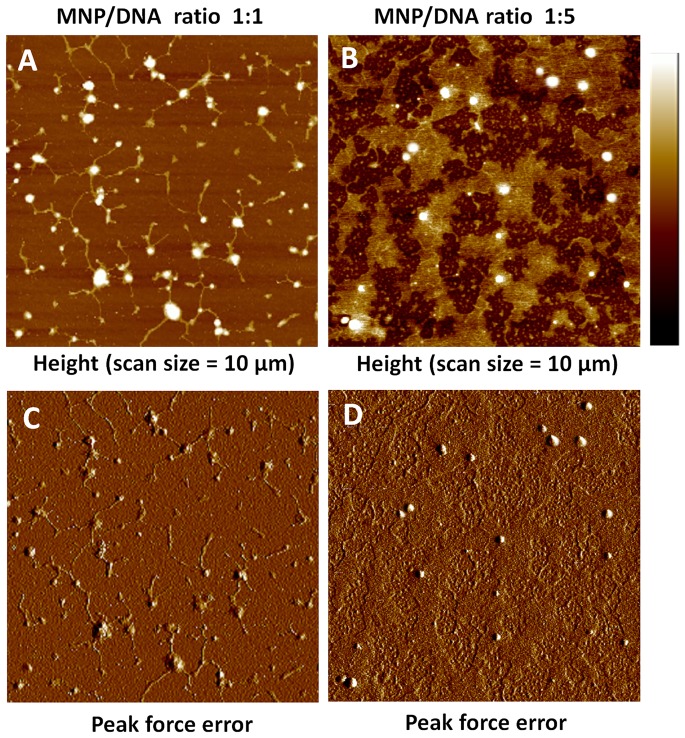
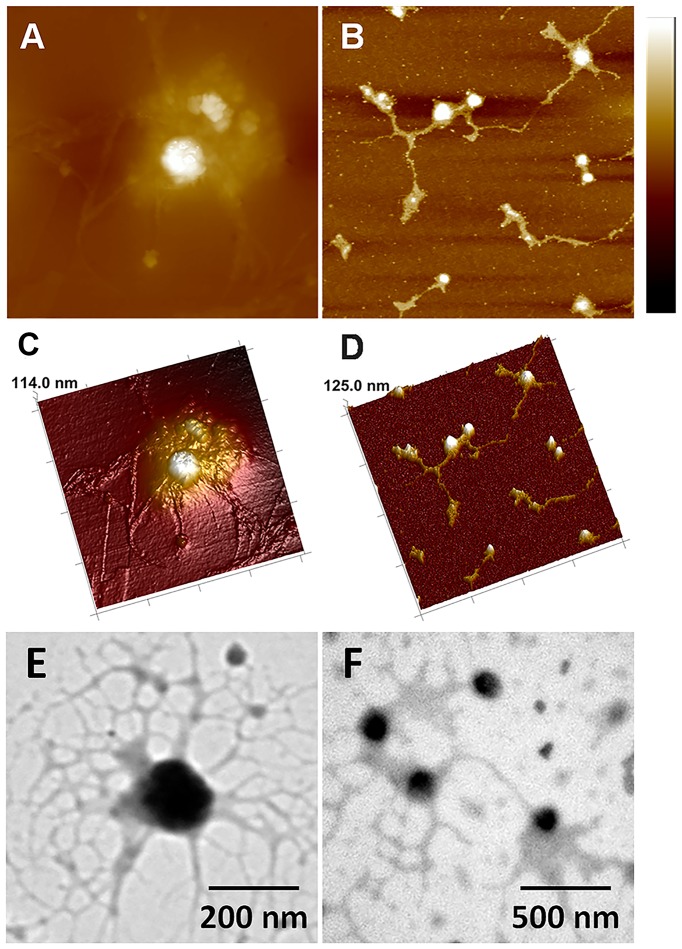
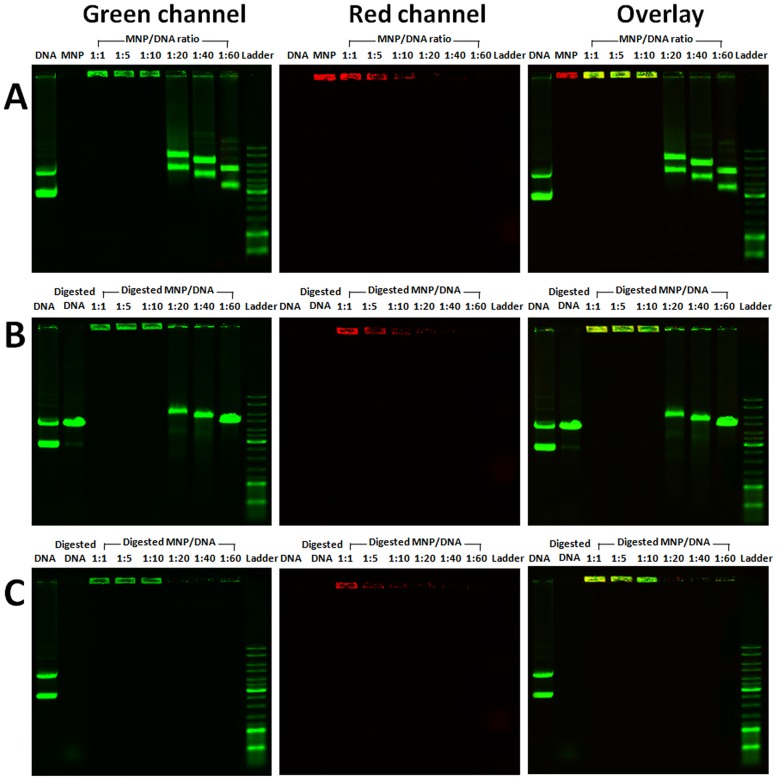
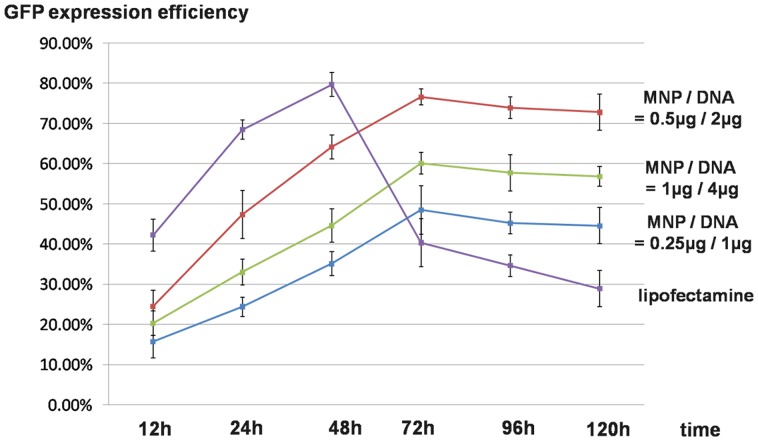
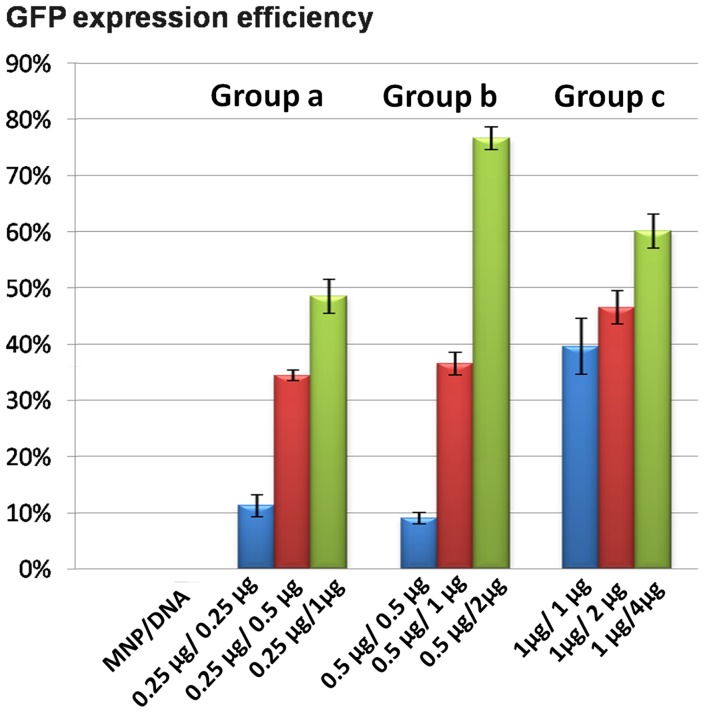
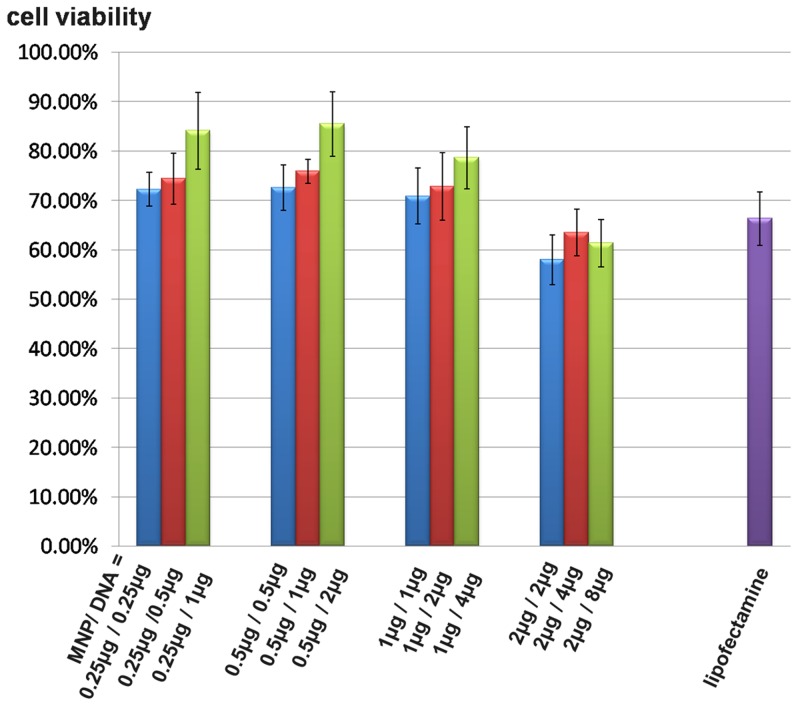
Modified magnetic nanoparticles are used as non-viral gene carriers in biological applications. To achieve successful gene delivery, it is critical that nanoparticles effectually assemble with nucleic acids. However, relatively little work has been conducted on the assemble mechanisms between nanoparticles and DNA, and its effects on transfection efficiency. Using biophysical and biochemical characterization, along with Atomic force microscopy (AFM) and Transmission electron microscopy (TEM), we investigate the morphologies, assembling structures and gene delivering abilities of the PEI modified magnetic nanoparticles (MNPs) gene delivery system. In this gene delivery system, MNP/DNA complexes are formed via binding of DNA onto the surface of MNPs. MNPs are favorable to not only increase DNA concentration but also prevent DNA degradation. Magnetofection experiments showed that MNPs has low cytotoxicity and introduces highly stable transfection in mammalian somatic cells. In addition, different binding ratios between MNPs and DNA result in various morphologies of MNP/DNA complexes and have an influence on transfection efficiency. Dose-response profile indicated that transfection efficiency positively correlate with MNP/DNA ratio. Furthermore, intracellular tracking demonstrate that MNPs move though the cell membranes, deliver and release exogenous DNA into the nucleus.
改性磁性纳米颗粒在生物应用中用作非病毒基因载体。为实现成功的基因递送,纳米颗粒与核酸有效组装至关重要。然而,关于纳米颗粒与DNA之间的组装机制及其对转染效率的影响,相关研究相对较少。我们利用生物物理和生化表征,结合原子力显微镜(AFM)和透射电子显微镜(TEM),研究了聚乙烯亚胺(PEI)改性磁性纳米颗粒(MNPs)基因递送系统的形态、组装结构和基因递送能力。在该基因递送系统中,MNP/DNA复合物通过DNA与MNPs表面结合形成。MNPs不仅有利于提高DNA浓度,还能防止DNA降解。磁转染实验表明,MNPs具有低细胞毒性,并能在哺乳动物体细胞中实现高度稳定的转染。此外,MNPs与DNA之间不同的结合比例导致MNP/DNA复合物呈现出不同的形态,并对转染效率产生影响。剂量反应曲线表明,转染效率与MNP/DNA比例呈正相关。此外,细胞内追踪显示,MNPs穿过细胞膜,将外源DNA递送至细胞核并释放。