Lakshminarayanan Rajamani, Sridhar Radhakrishnan, Loh Xian Jun, Nandhakumar Muruganantham, Barathi Veluchamy Amutha, Kalaipriya Madhaiyan, Kwan Jia Lin, Liu Shou Ping, Beuerman Roger Wilmer, Ramakrishna Seeram
Singapore Eye Research Institute, Singapore ; Signature Research Program in Neuroscience and Behavioral Disorders, Duke-NUS Graduate Medical School, Singapore.
Department of Mechanical Engineering, National University of Singapore, Singapore ; Center for Nanofibers and Nanotechnology, National University of Singapore, Singapore.
Int J Nanomedicine. 2014 May 23;9:2439-58. doi: 10.2147/IJN.S58487. eCollection 2014.
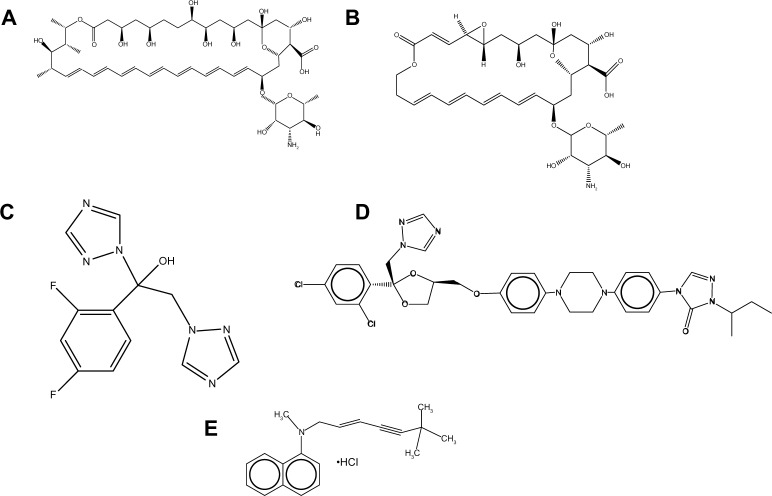
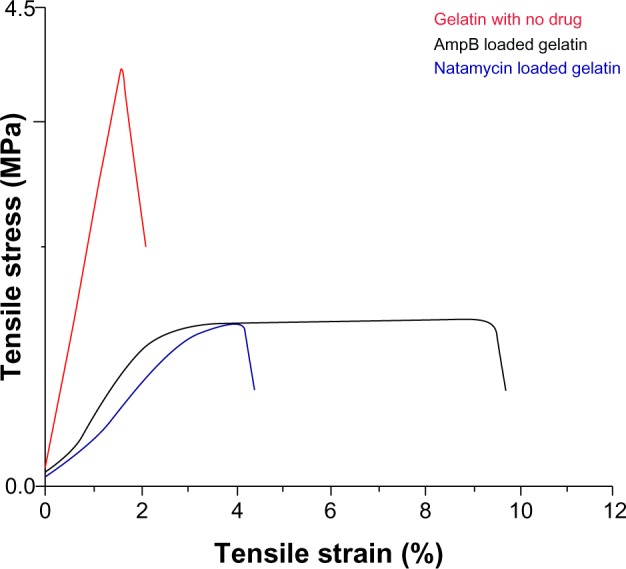
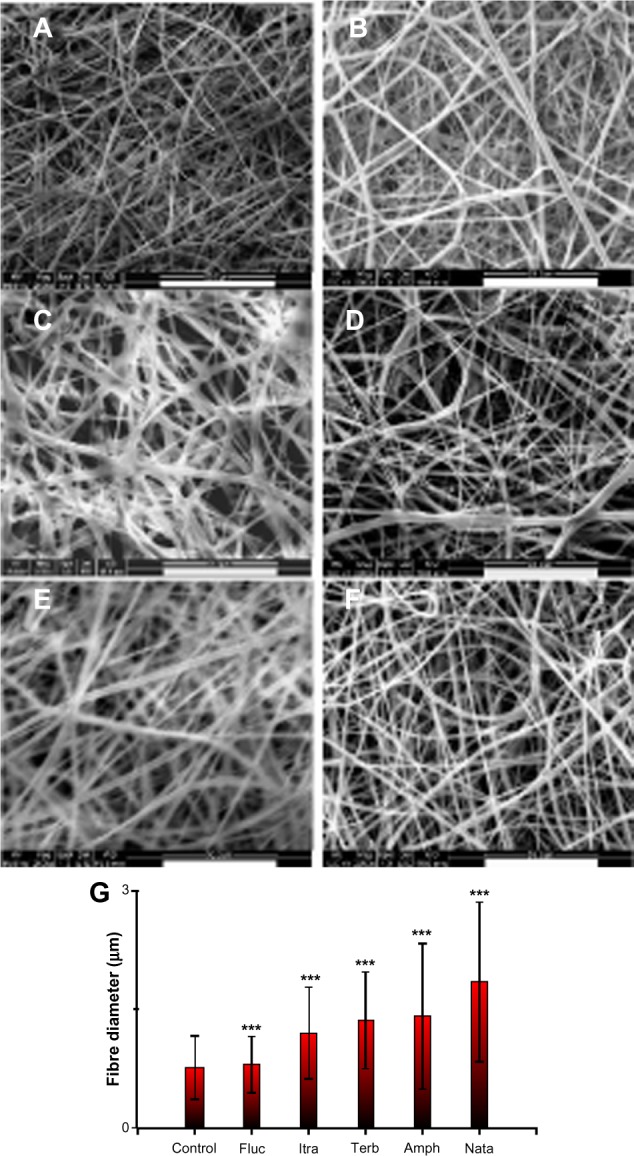
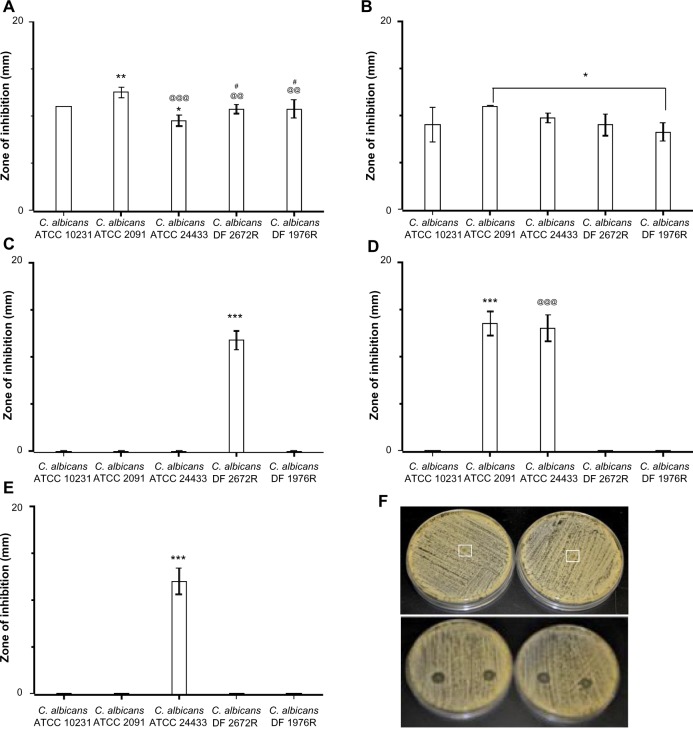
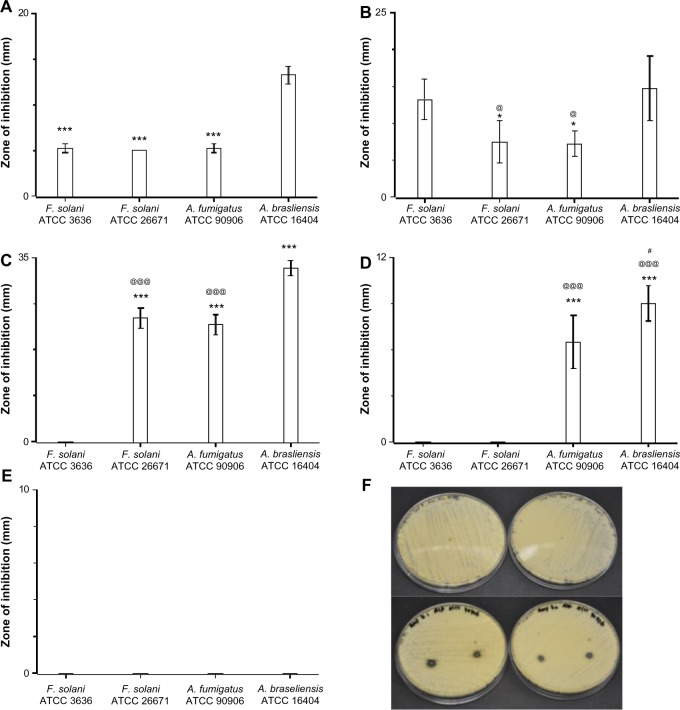
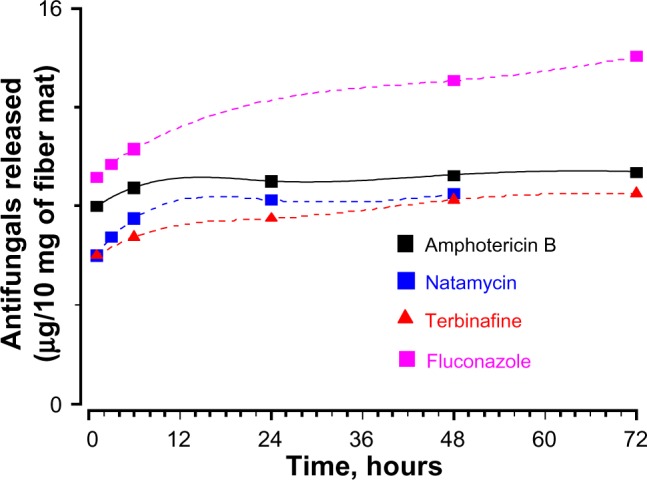
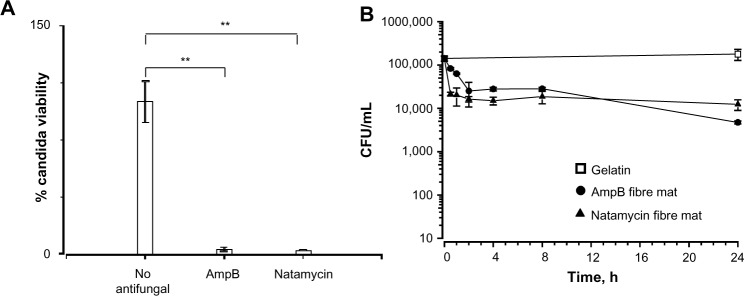
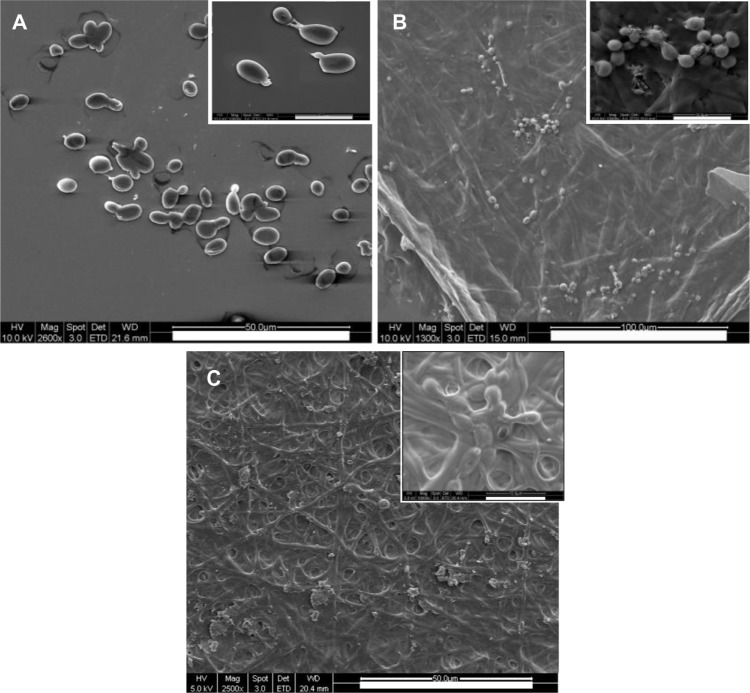
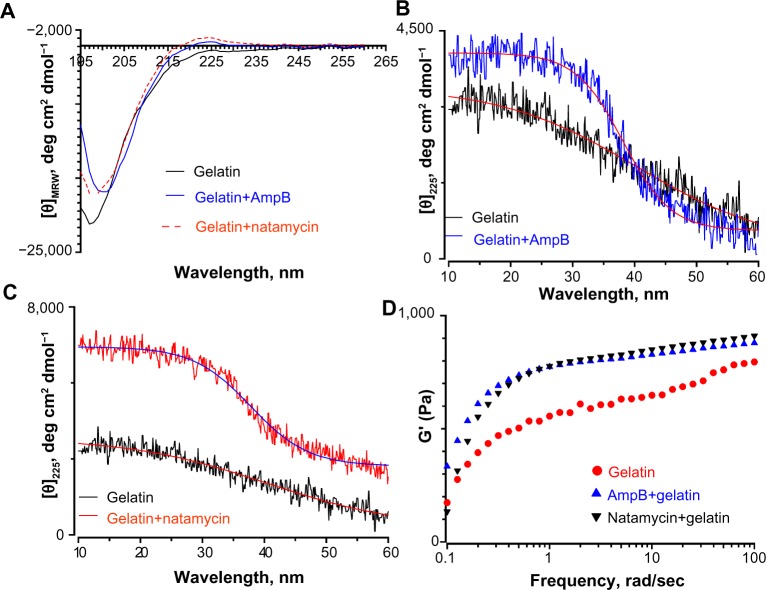
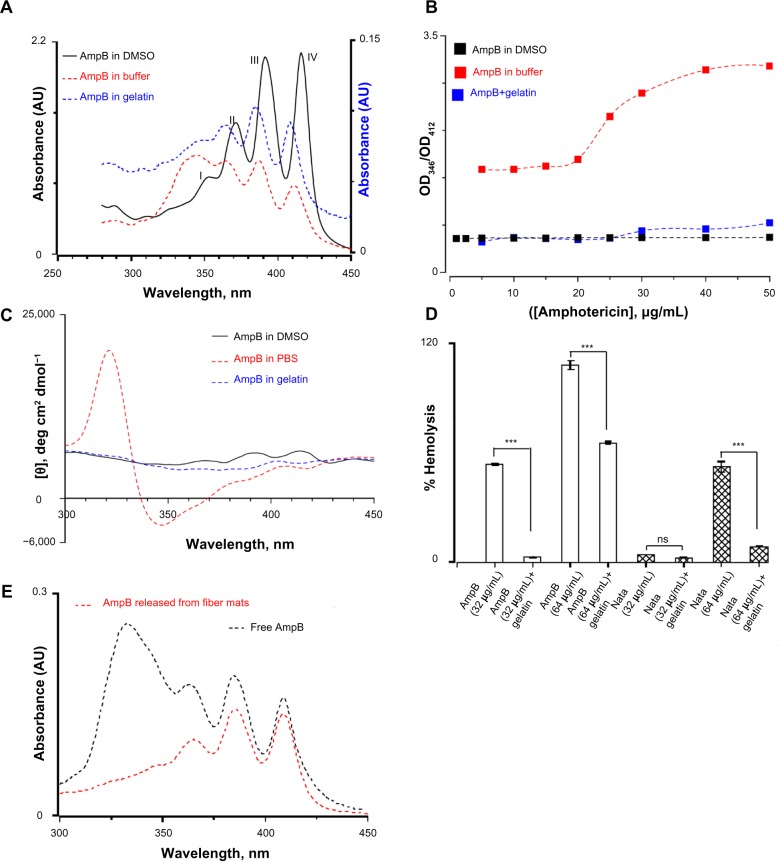
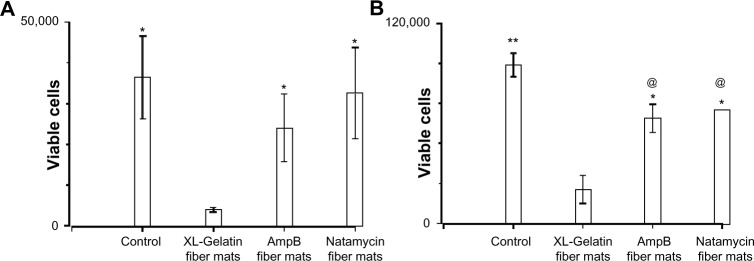
Topical application of antifungals does not have predictable or well-controlled release characteristics and requires reapplication to achieve therapeutic local concentration in a reasonable time period. In this article, the efficacy of five different US Food and Drug Administration-approved antifungal-loaded (amphotericin B, natamycin, terbinafine, fluconazole, and itraconazole) electrospun gelatin fiber mats were compared. Morphological studies show that incorporation of polyenes resulted in a two-fold increase in fiber diameter and the mats inhibit the growth of yeasts and filamentous fungal pathogens. Terbinafine-loaded mats were effective against three filamentous fungal species. Among the two azole antifungals compared, the itraconazole-loaded mat was potent against Aspergillus strains. However, activity loss was observed for fluconazole-loaded mats against all of the test organisms. The polyene-loaded mats displayed rapid candidacidal activities as well. Biophysical and rheological measurements indicate strong interactions between polyene antifungals and gelatin matrix. As a result, the polyenes stabilized the triple helical conformation of gelatin and the presence of gelatin decreased the hemolytic activity of polyenes. The polyene-loaded fiber mats were noncytotoxic to primary human corneal and sclera fibroblasts. The reduction of toxicity with complete retention of activity of the polyene antifungal-loaded gelatin fiber mats can provide new opportunities in the management of superficial skin infections.
局部应用抗真菌药物没有可预测或良好控制的释放特性,需要重新给药才能在合理时间内达到治疗所需的局部浓度。在本文中,比较了美国食品药品监督管理局批准的五种不同的载有抗真菌药物(两性霉素B、那他霉素、特比萘芬、氟康唑和伊曲康唑)的电纺明胶纤维垫的疗效。形态学研究表明,加入多烯类药物会使纤维直径增加两倍,并且这些纤维垫能抑制酵母和丝状真菌病原体的生长。载有特比萘芬的纤维垫对三种丝状真菌有效。在比较的两种唑类抗真菌药物中,载有伊曲康唑的纤维垫对曲霉菌株有效。然而,观察到载有氟康唑的纤维垫对所有测试生物体均失去活性。载有多烯类药物的纤维垫也显示出快速的杀念珠菌活性。生物物理和流变学测量表明多烯类抗真菌药物与明胶基质之间存在强烈相互作用。因此,多烯类药物稳定了明胶的三螺旋构象,而明胶的存在降低了多烯类药物的溶血活性。载有多烯类抗真菌药物的纤维垫对原代人角膜和巩膜成纤维细胞无细胞毒性。载有多烯类抗真菌药物的明胶纤维垫在降低毒性的同时完全保留活性,可为浅表皮肤感染的治疗提供新的机会。