Wei Lin-Gwei, Chang Hsin-I, Wang Yiwei, Hsu Shan-Hui, Dai Lien-Guo, Fu Keng-Yen, Dai Niann-Tzyy
Division of Plastic and Reconstructive Surgery, Taoyuan Armed Forces General Hospital, Taoyuan, Taiwan, R.O.C.
Department of Biochemical Science and Technology, National Chiayi University, Chiayi, Taiwan, R.O.C.
PeerJ. 2019 Feb 1;7:e6358. doi: 10.7717/peerj.6358. eCollection 2019.
A tissue-engineered skin substitute, based on gelatin ("G"), collagen ("C"), and poly(ε-caprolactone) (PCL; "P"), was developed.
G/C/P biocomposites were fabricated by impregnation of lyophilized gelatin/collagen (GC) mats with PCL solutions, followed by solvent evaporation. Two different GC:PCL ratios (1:8 and 1:20) were used.
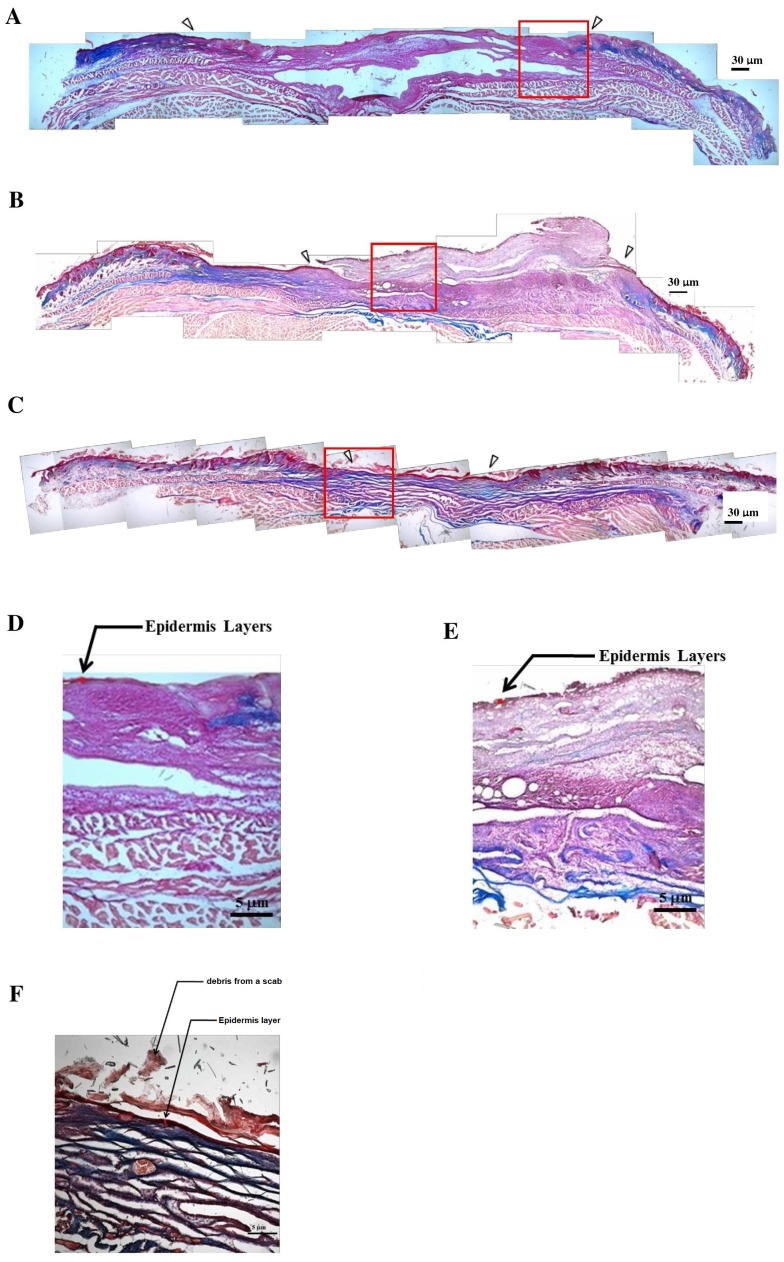
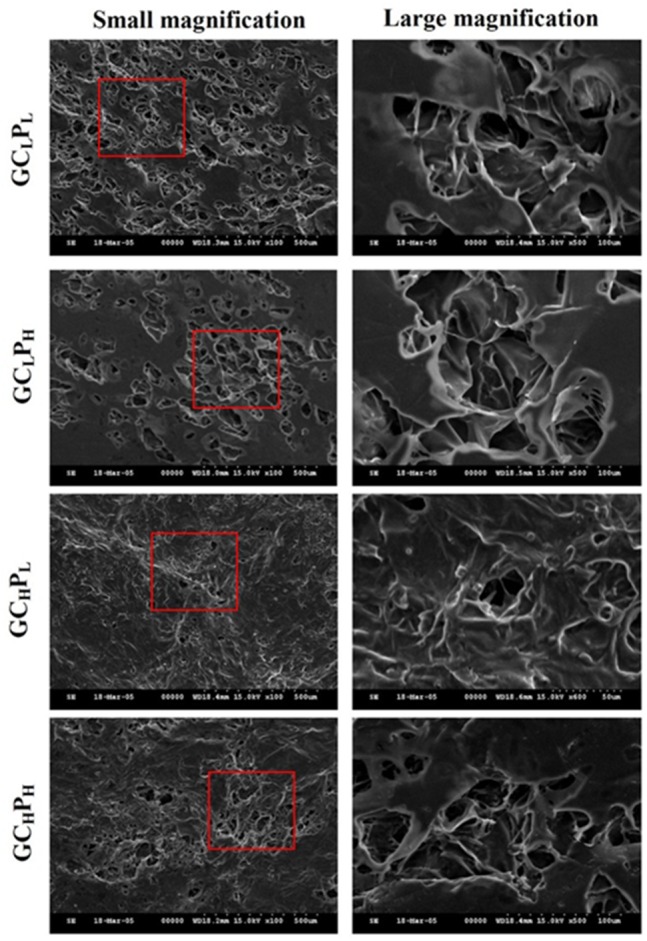
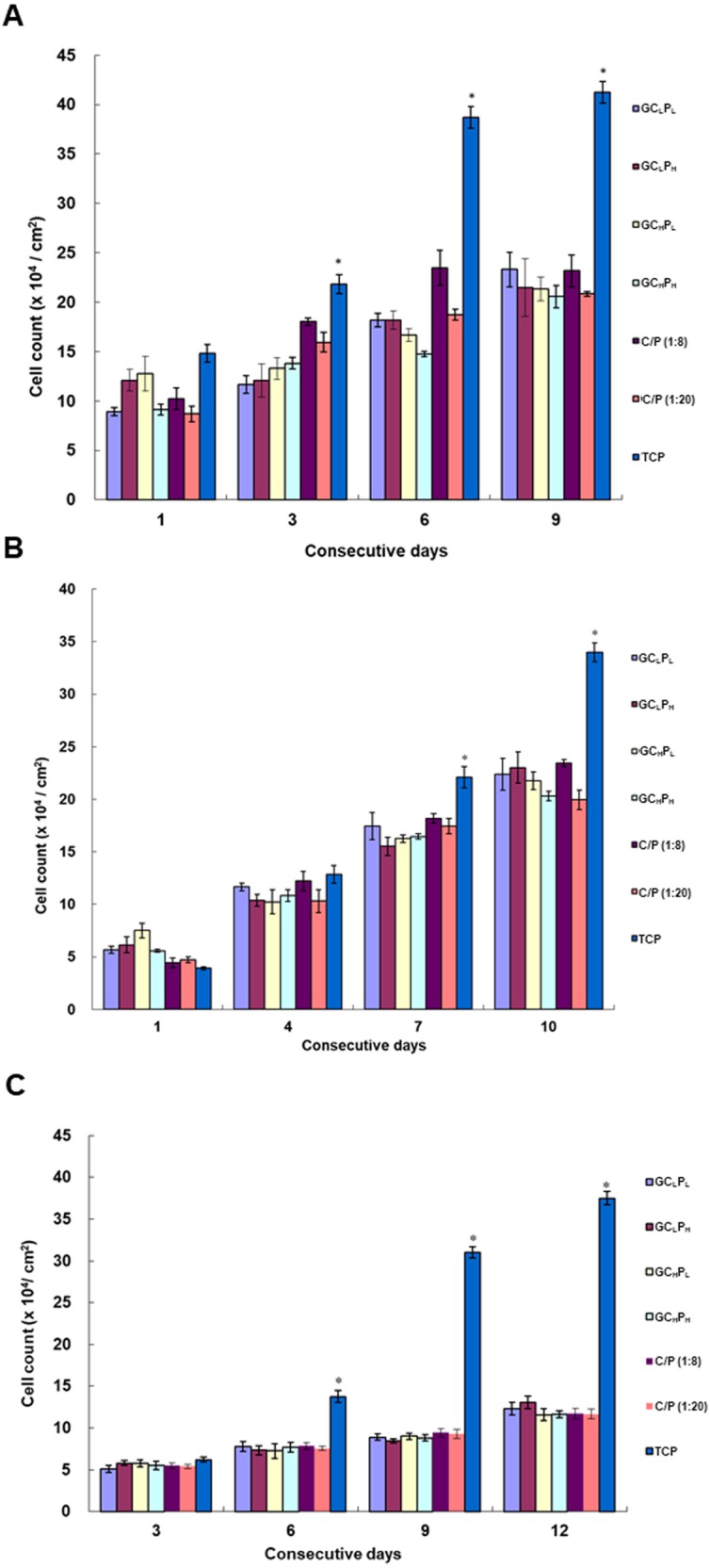
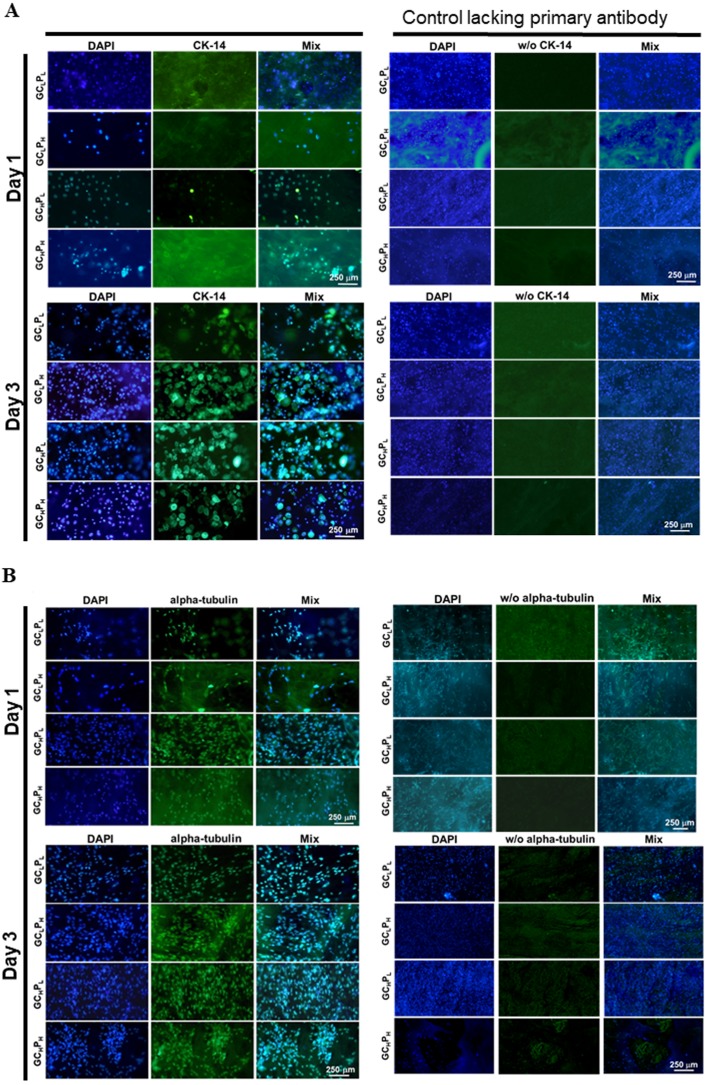
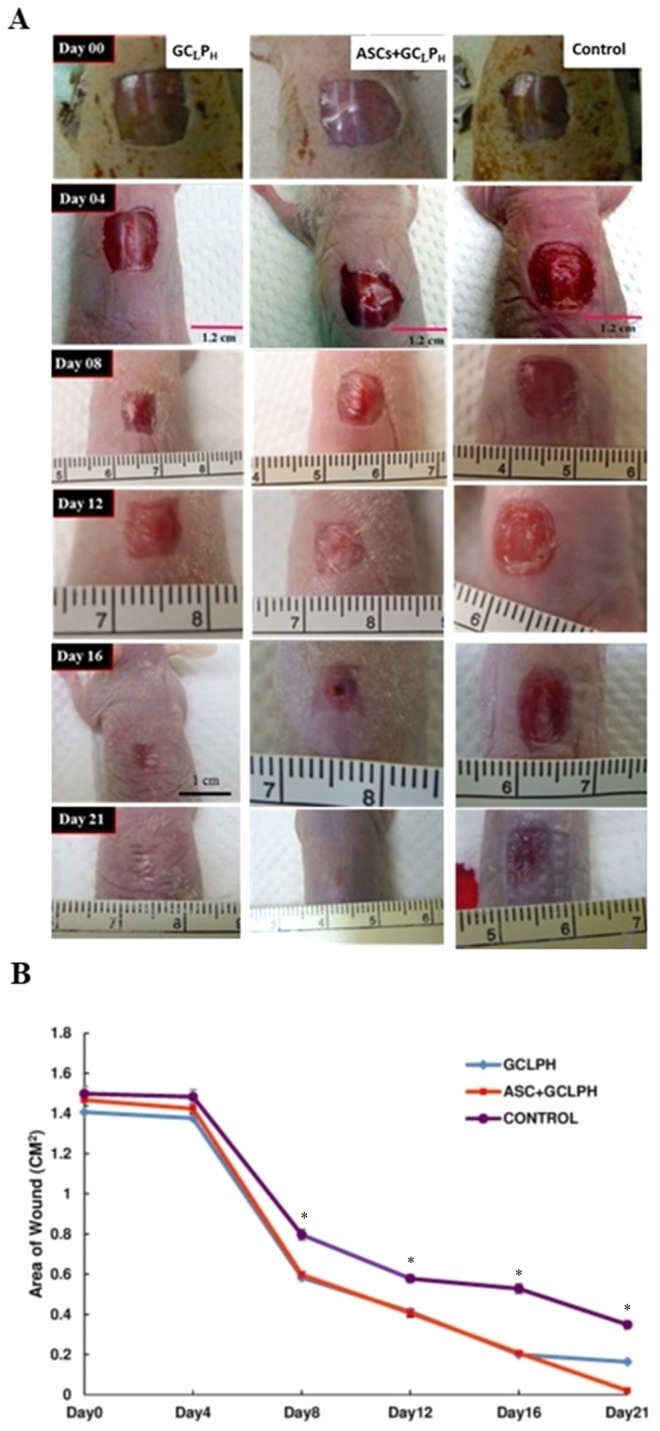
Differential scanning calorimetry revealed that all G/C/P biocomposites had characteristic melting point of PCL at around 60 °C. Scanning electron microscopy showed that all biocomposites had similar fibrous structures. Good cytocompatibility was present in all G/C/P biocomposites when incubated with primary human epidermal keratinocytes (PHEK), human dermal fibroblasts (PHDF) and human adipose-derived stem cells (ASCs) . All G/C/P biocomposites exhibited similar cell growth and mechanical characteristics in comparison with C/P biocomposites. G/C/P biocomposites with a lower collagen content showed better cell proliferation than those with a higher collagen content . Due to reasonable mechanical strength and biocompatibility , G/C/P with a lower content of collagen and a higher content of PCL (GCP) was selected for animal wound healing studies. According to our data, a significant promotion in wound healing and skin regeneration could be observed in GCP seeded with adipose-derived stem cells by Gomori's trichrome staining.
This study may provide an effective and low-cost wound dressings to assist skin regeneration for clinical use.
研发了一种基于明胶(“G”)、胶原蛋白(“C”)和聚(ε-己内酯)(PCL;“P”)的组织工程皮肤替代物。
通过用PCL溶液浸渍冻干的明胶/胶原蛋白(GC)垫,然后蒸发溶剂来制备G/C/P生物复合材料。使用了两种不同的GC:PCL比例(1:8和1:20)。
差示扫描量热法显示,所有G/C/P生物复合材料在约60°C处具有PCL的特征熔点。扫描电子显微镜表明,所有生物复合材料具有相似的纤维结构。当与原代人表皮角质形成细胞(PHEK)、人真皮成纤维细胞(PHDF)和人脂肪来源干细胞(ASC)一起孵育时,所有G/C/P生物复合材料均具有良好的细胞相容性。与C/P生物复合材料相比,所有G/C/P生物复合材料均表现出相似的细胞生长和机械特性。胶原蛋白含量较低的G/C/P生物复合材料比胶原蛋白含量较高的表现出更好的细胞增殖。由于具有合理的机械强度和生物相容性,选择胶原蛋白含量较低且PCL含量较高的G/C/P(GCP)用于动物伤口愈合研究。根据我们的数据,通过Gomori三色染色法可观察到接种脂肪来源干细胞的GCP对伤口愈合和皮肤再生有显著促进作用。
本研究可能提供一种有效且低成本的伤口敷料,以辅助临床皮肤再生。