Simerman Ariel A, Dumesic Daniel A, Chazenbalk Gregorio D
Department of Obstetrics and Gynecology, David Geffen School of Medicine at the University of California, 10833 Le Conte Ave, Box 951740, Los Angeles, CA 90095-1740, USA.
Clin Transl Med. 2014 May 22;3:12. doi: 10.1186/2001-1326-3-12. eCollection 2014.
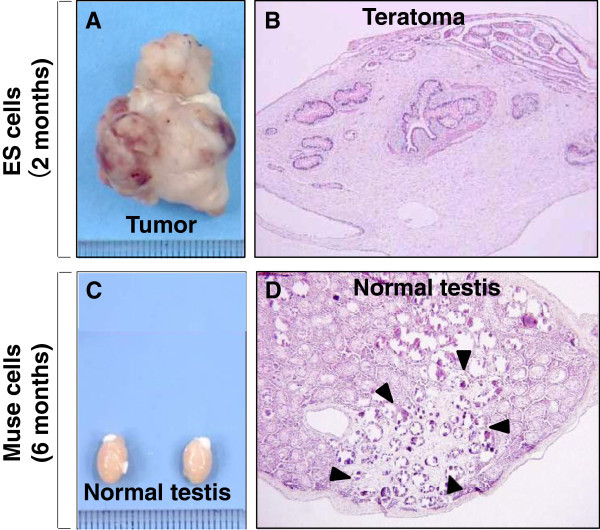
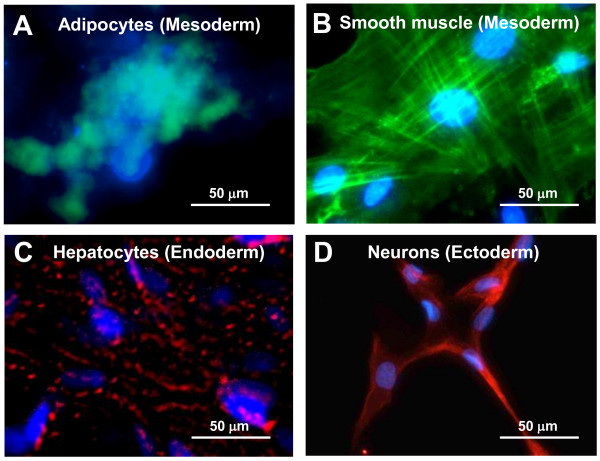
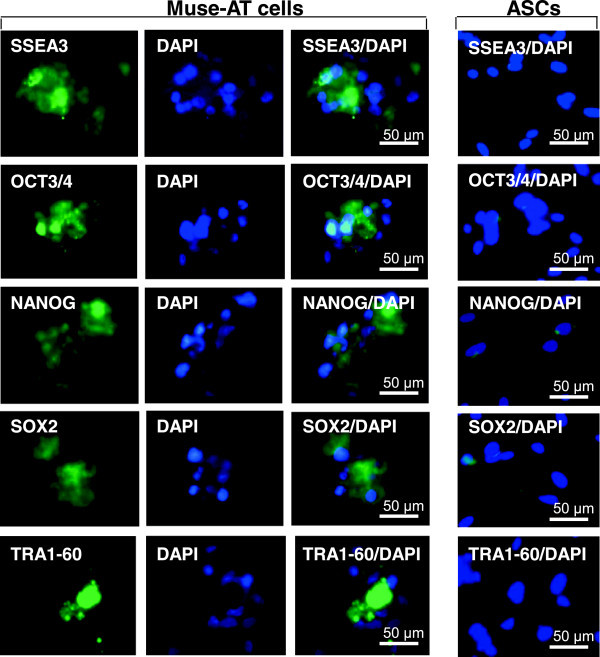
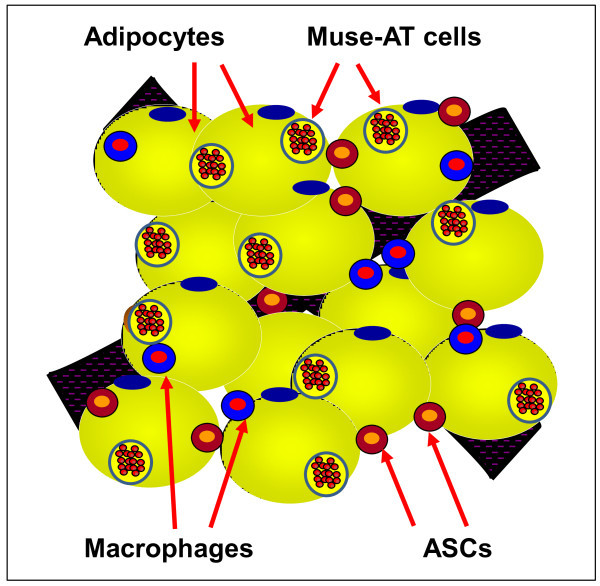
In 2010, Multilineage Differentiating Stress Enduring (Muse) cells were introduced to the scientific community, offering potential resolution to the issue of teratoma formation that plagues both embryonic stem (ES) and induced pluripotent (iPS) stem cells. Isolated from human bone marrow, dermal fibroblasts, adipose tissue and commercially available adipose stem cells (ASCs) under severe cellular stress conditions, Muse cells self-renew in a controlled manner and do not form teratomas when injected into immune-deficient mice. Furthermore, Muse cells express classic pluripotency markers and differentiate into cells from the three embryonic germ layers both spontaneously and under media-specific induction. When transplanted in vivo, Muse cells contribute to tissue generation and repair. This review delves into the aspects of Muse cells that set them apart from ES, iPS, and various reported adult pluripotent stem cell lines, with specific emphasis on Muse cells derived from adipose tissue (Muse-AT), and their potential to revolutionize the field of regenerative medicine and stem cell therapy.
2010年,多谱系分化应激耐受(Muse)细胞被引入科学界,这为困扰胚胎干细胞(ES)和诱导多能干细胞(iPS)的畸胎瘤形成问题提供了潜在的解决方案。Muse细胞是在严重细胞应激条件下从人骨髓、真皮成纤维细胞、脂肪组织和市售脂肪干细胞(ASC)中分离出来的,它们以可控的方式自我更新,注射到免疫缺陷小鼠体内时不会形成畸胎瘤。此外,Muse细胞表达经典的多能性标志物,并在自发和特定培养基诱导下分化为来自三个胚胎胚层的细胞。当在体内移植时,Muse细胞有助于组织生成和修复。本综述深入探讨了Muse细胞与ES、iPS以及各种已报道的成体多能干细胞系不同的方面,特别强调了源自脂肪组织的Muse细胞(Muse-AT),以及它们在再生医学和干细胞治疗领域引发变革的潜力。