Dipartimento di Scienze Chimiche e Farmaceutiche, Università degli Studi di Trieste, Piazzale Europa 1, Trieste 34127, Italy.
Department of Chemical Engineering, Faculty of Engineering, University of Malaya, Malaysia.
Biomolecules. 2013 Aug 13;3(3):514-34. doi: 10.3390/biom3030514.
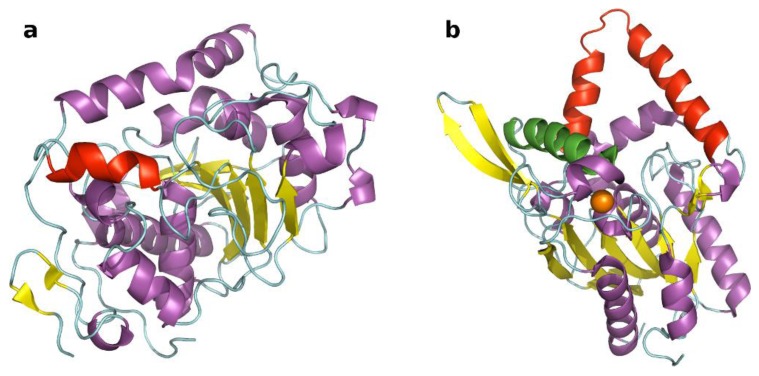
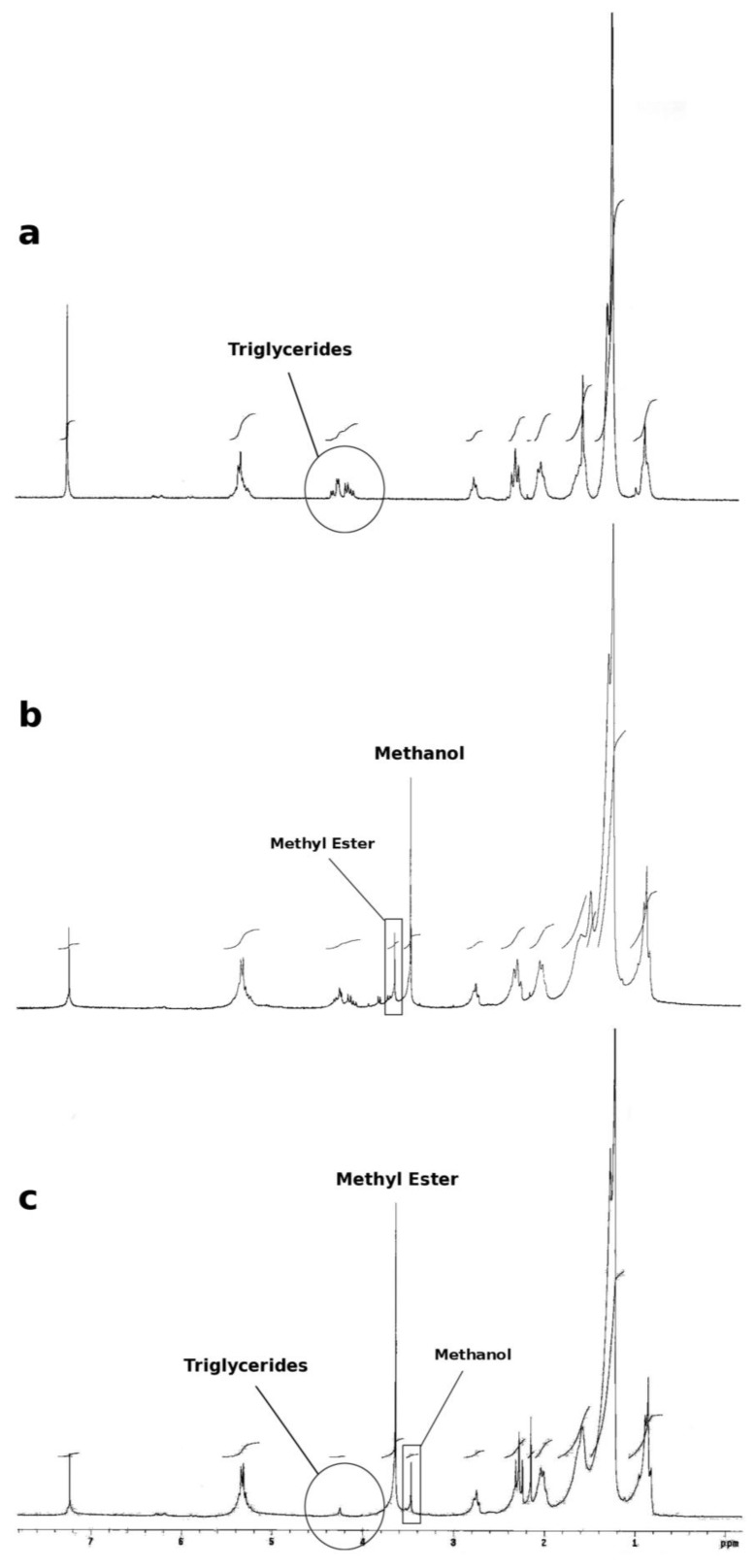
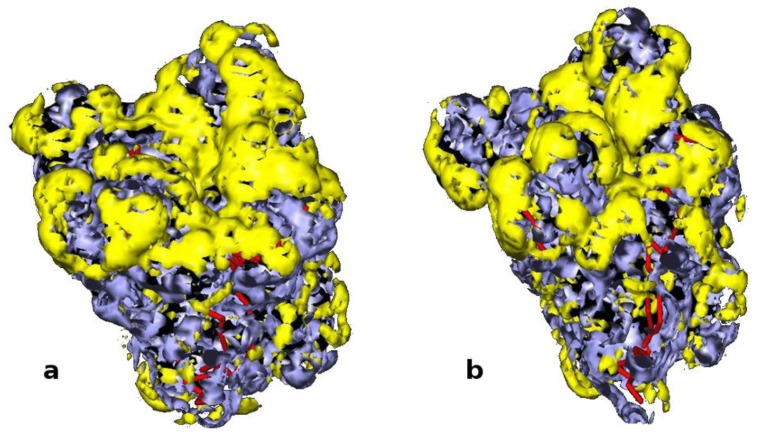
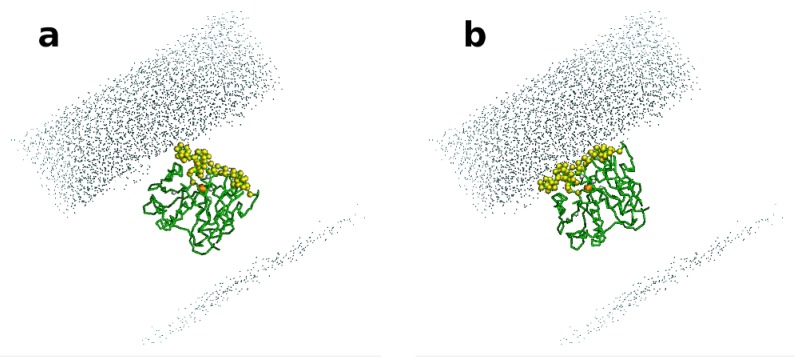
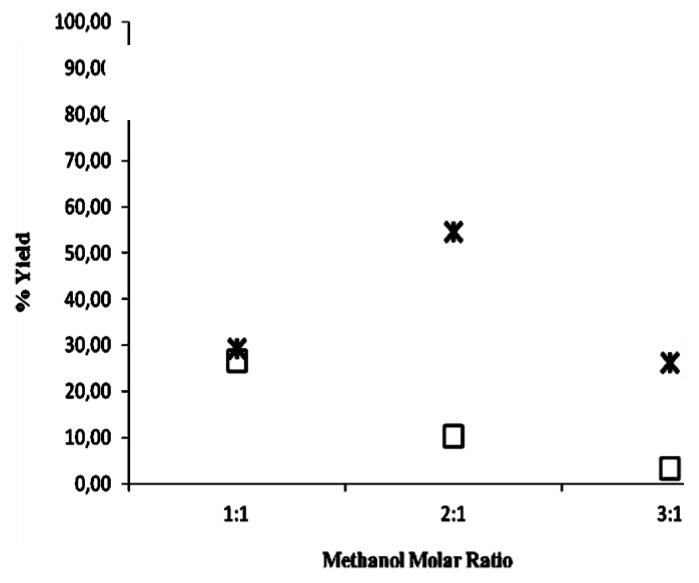
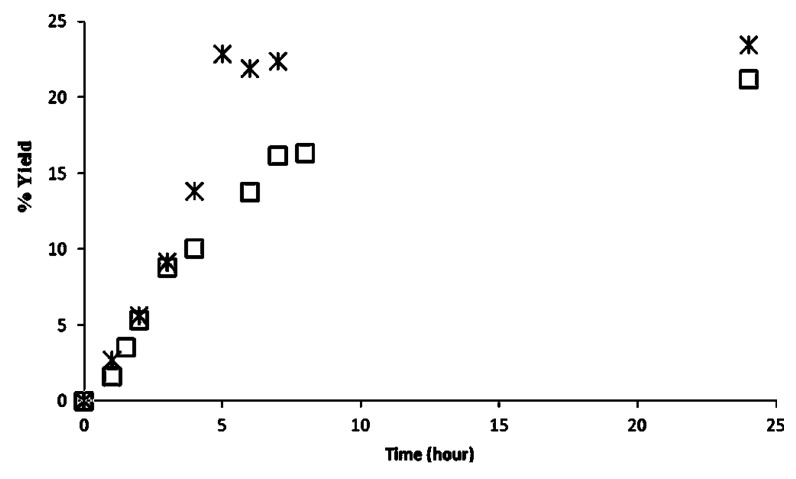
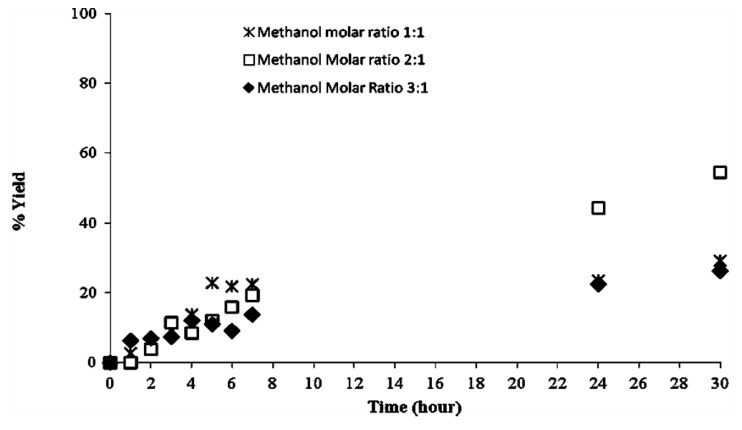
Immobilized lipases were applied to the enzymatic conversion of oils from spent coffee ground into biodiesel. Two lipases were selected for the study because of their conformational behavior analysed by Molecular Dynamics (MD) simulations taking into account that immobilization conditions affect conformational behavior of the lipases and ultimately, their efficiency upon immobilization. The enzymatic synthesis of biodiesel was initially carried out on a model substrate (triolein) in order to select the most promising immobilized biocatalysts. The results indicate that oils can be converted quantitatively within hours. The role of the nature of the immobilization support emerged as a key factor affecting reaction rate, most probably because of partition and mass transfer barriers occurring with hydrophilic solid supports. Finally, oil from spent coffee ground was transformed into biodiesel with yields ranging from 55% to 72%. The synthesis is of particular interest in the perspective of developing sustainable processes for the production of bio-fuels from food wastes and renewable materials. The enzymatic synthesis of biodiesel is carried out under mild conditions, with stoichiometric amounts of substrates (oil and methanol) and the removal of free fatty acids is not required.
固定化脂肪酶被应用于从废咖啡渣油中酶转化为生物柴油。由于考虑到固定化条件会影响脂肪酶的构象行为,最终会影响其固定化效率,因此选择了两种脂肪酶进行研究,这些脂肪酶的构象行为经过分子动力学(MD)模拟进行了分析。生物柴油的酶合成最初在模型底物(三油酸甘油酯)上进行,以选择最有前途的固定化生物催化剂。结果表明,油可以在数小时内定量转化。固定化载体的性质作为影响反应速率的关键因素显现出来,这很可能是因为亲水性固体载体存在分配和传质障碍。最后,废咖啡渣油转化为生物柴油的产率范围为 55%至 72%。从食品废物和可再生材料生产生物燃料的可持续工艺的角度来看,这种合成具有特别的意义。生物柴油的酶合成在温和条件下进行,使用底物(油和甲醇)的化学计量量,并且不需要去除游离脂肪酸。