Motulsky Harvey J
GraphPad Software Inc., La Jolla, California, USA,
Naunyn Schmiedebergs Arch Pharmacol. 2014 Nov;387(11):1017-23. doi: 10.1007/s00210-014-1037-6. Epub 2014 Sep 12.
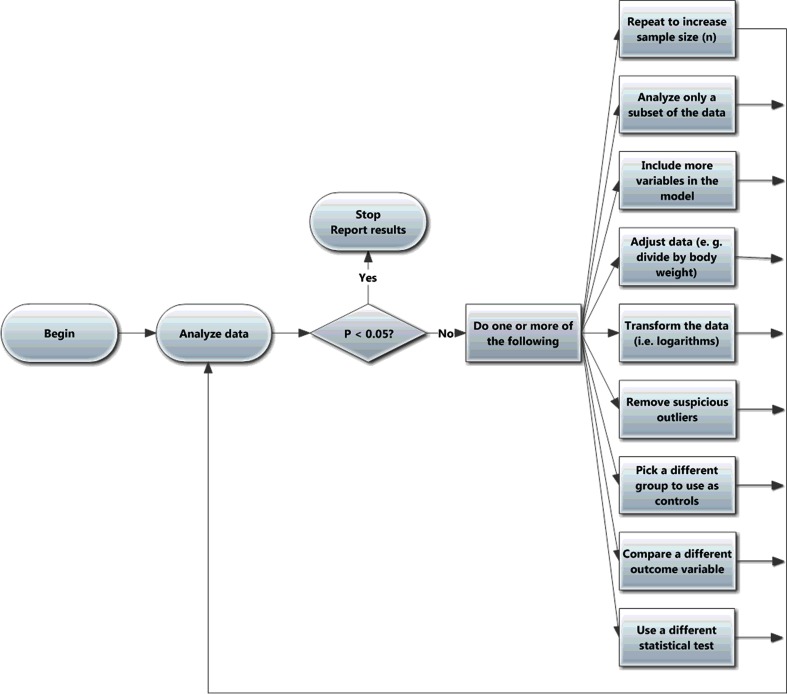
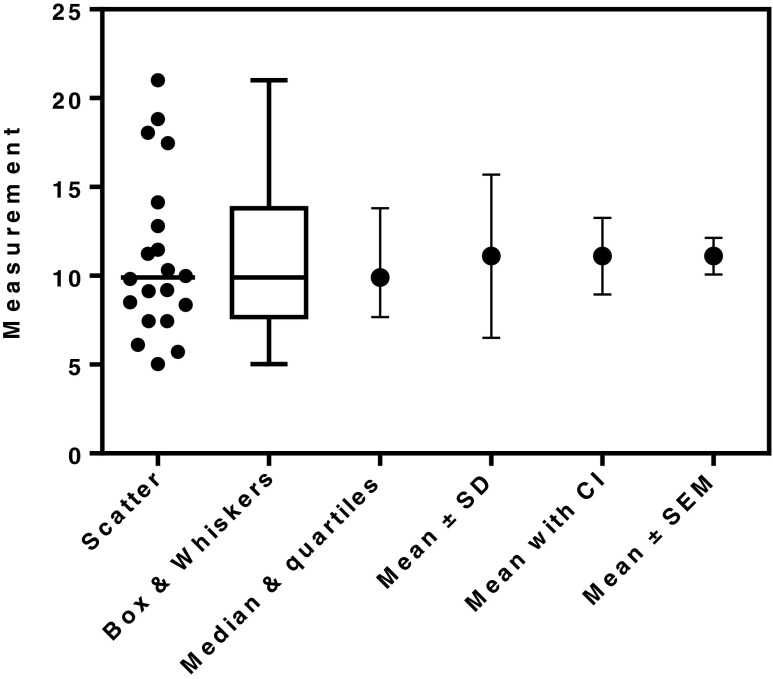
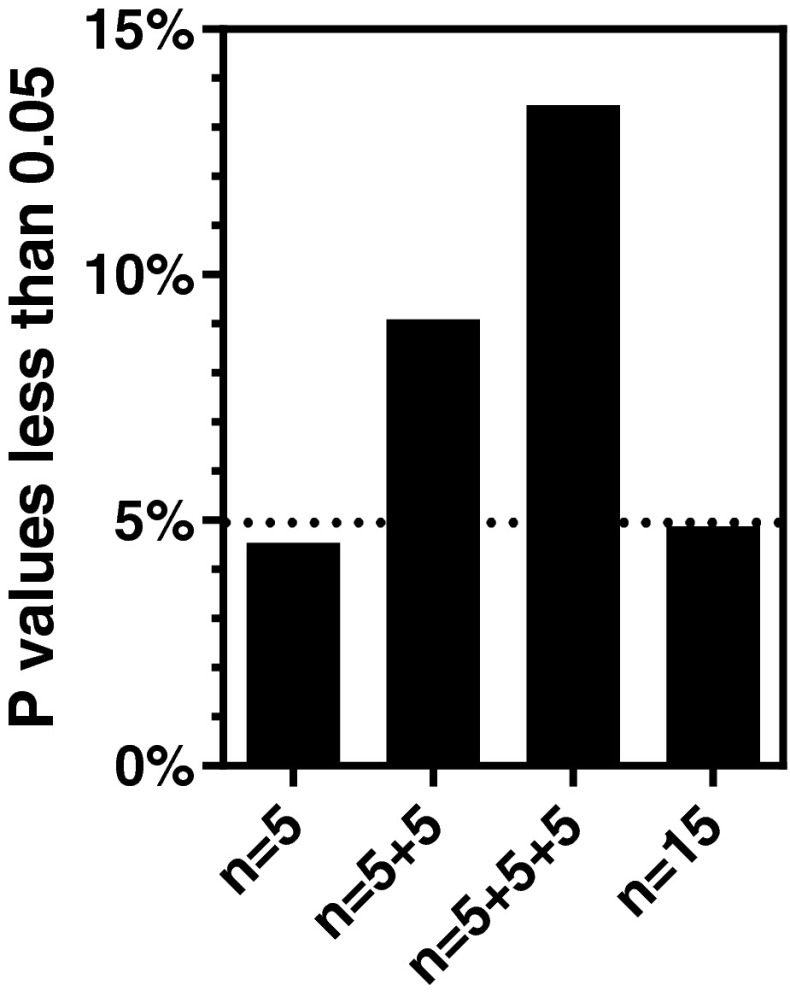
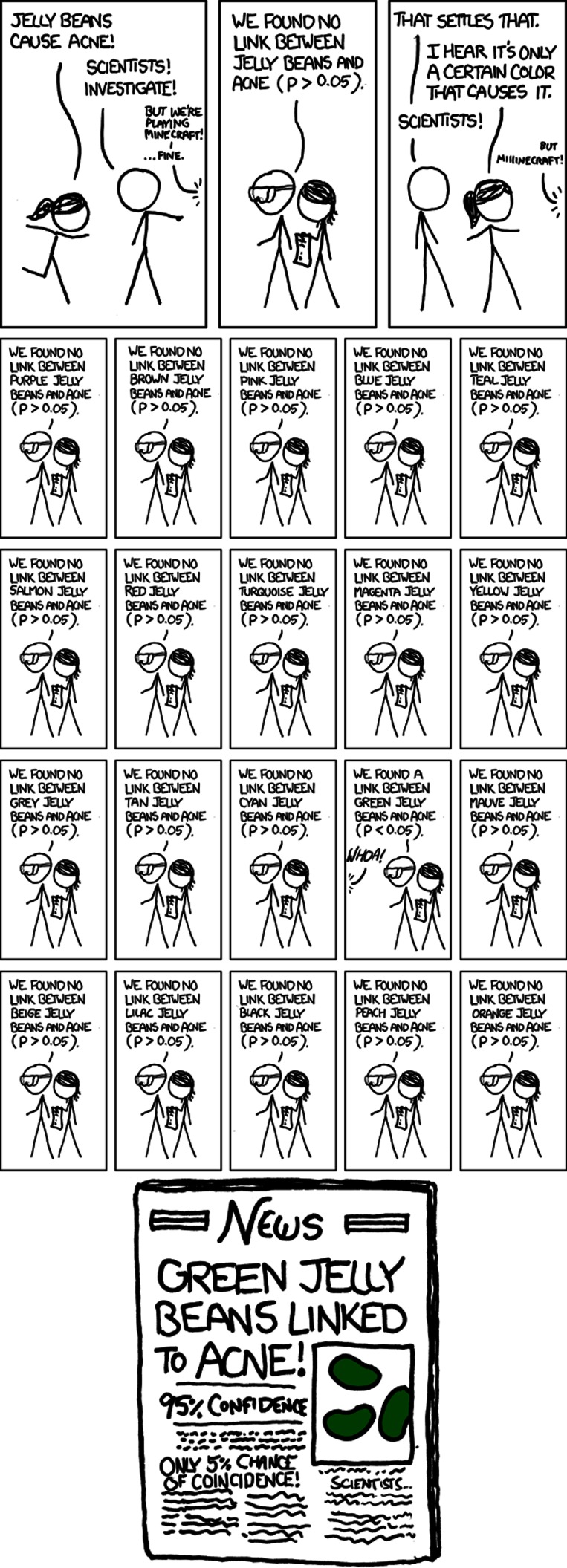
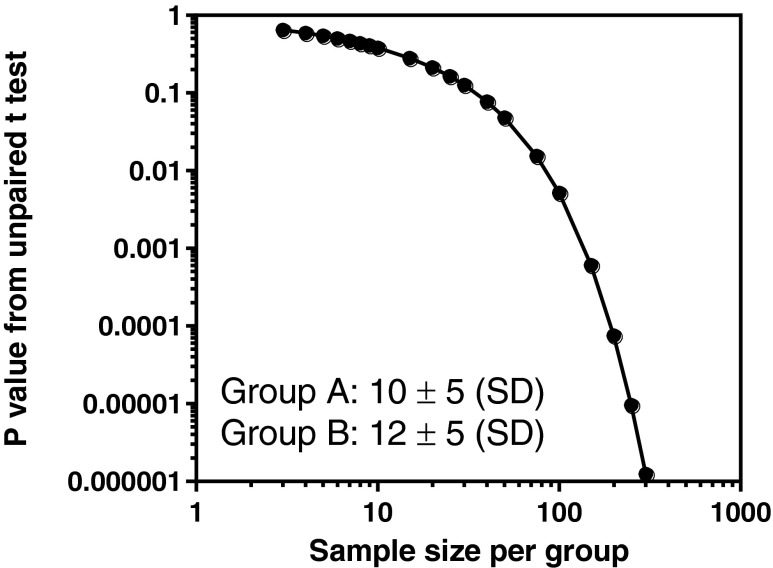
Ideally, any experienced investigator with the right tools should be able to reproduce a finding published in a peer-reviewed biomedical science journal. In fact, the reproducibility of a large percentage of published findings has been questioned. Undoubtedly, there are many reasons for this, but one reason maybe that investigators fool themselves due to a poor understanding of statistical concepts. In particular, investigators often make these mistakes: 1. P-Hacking. This is when you reanalyze a data set in many different ways, or perhaps reanalyze with additional replicates, until you get the result you want. 2. Overemphasis on P values rather than on the actual size of the observed effect. 3. Overuse of statistical hypothesis testing, and being seduced by the word "significant". 4. Overreliance on standard errors, which are often misunderstood.
理想情况下,任何拥有合适工具的经验丰富的研究者都应该能够重现发表在同行评审生物医学科学期刊上的研究结果。事实上,很大一部分已发表研究结果的可重复性受到了质疑。毫无疑问,造成这种情况的原因有很多,但其中一个原因可能是研究者由于对统计概念理解不足而自欺欺人。具体而言,研究者经常犯这些错误:1. P值操纵。这是指你以多种不同方式重新分析数据集,或者可能通过额外的重复实验重新分析,直到得到你想要的结果。2. 过度强调P值而不是观察到的效应的实际大小。3. 过度使用统计假设检验,并被“显著”这个词所迷惑。4. 过度依赖标准误差,而标准误差常常被误解。