Callary Stuart A, Solomon Lucian B, Holubowycz Oksana T, Campbell David G, Munn Zachary, Howie Donald W
Department of Orthopaedics and Trauma, Royal Adelaide Hospital.
Acta Orthop. 2015 Apr;86(2):159-68. doi: 10.3109/17453674.2014.972890. Epub 2014 Oct 10.
Wear rates of highly crosslinked polyethylene (XLPE) acetabular components have varied considerably between different published studies. This variation is in part due to the different techniques used to measure wear and to the errors inherent in measuring the relatively low amounts of wear in XLPE bearings. We undertook a scoping review of studies that have examined the in vivo wear of XLPE acetabular components using the most sensitive method available, radiostereometric analysis (RSA).
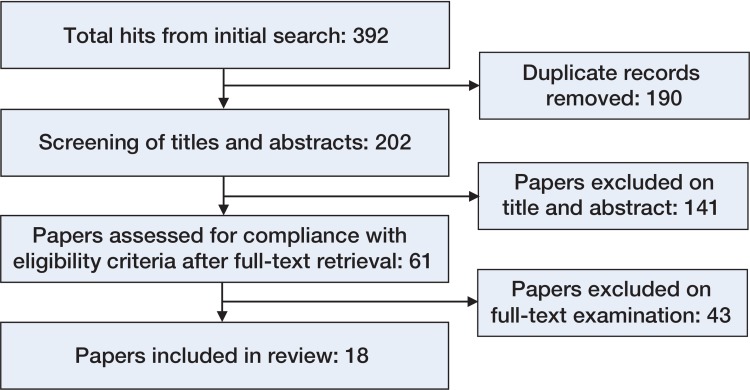
A systematic search of the PubMed, Scopus, and Cochrane databases was performed to identify published studies in which RSA was used to measure wear of XLPE components in primary total hip arthroplasty (THA).
18 publications examined 12 primary THA cohorts, comprising only 260 THAs at 2-10 years of follow-up. The mean or median proximal wear rate reported ranged from 0.00 to 0.06 mm/year. However, differences in the manner in which wear was determined made it difficult to compare some studies. Furthermore, differences in RSA methodology between studies, such as the use of supine or standing radiographs and the use of beaded or unbeaded reference segments, may limit future meta-analyses examining the effect of patient and implant variables on wear rates.
This scoping review confirmed the low wear rates of XLPE in THA, as measured by RSA. We make recommendations to enhance the standardization of reporting of RSA wear results, which will facilitate early identification of poorly performing implants and enable a better understanding of the effects of surgical and patient factors on wear.
在已发表的不同研究中,高交联聚乙烯(XLPE)髋臼组件的磨损率差异很大。这种差异部分归因于测量磨损所采用的不同技术以及测量XLPE轴承相对少量磨损时固有的误差。我们使用现有最敏感的方法——放射立体测量分析(RSA),对研究XLPE髋臼组件体内磨损情况的研究进行了范围综述。
对PubMed、Scopus和Cochrane数据库进行系统检索,以确定使用RSA测量初次全髋关节置换术(THA)中XLPE组件磨损情况的已发表研究。
18篇出版物研究了12个初次THA队列,在2至10年的随访中仅包含260例THA。报告的近端平均或中位数磨损率为每年0.00至0.06毫米。然而,磨损测定方式的差异使得一些研究难以进行比较。此外,不同研究之间RSA方法的差异,如使用仰卧位或站立位X线片以及使用带珠或不带珠的参考节段,可能会限制未来关于患者和植入物变量对磨损率影响的荟萃分析。
本范围综述证实了通过RSA测量的THA中XLPE的低磨损率。我们提出建议以提高RSA磨损结果报告的标准化,这将有助于早期识别性能不佳的植入物,并更好地理解手术和患者因素对磨损的影响。