Luengo Alba, Sullivan Lucas B, Heiden Matthew G Vander
BMC Biol. 2014 Oct 24;12:82. doi: 10.1186/s12915-014-0082-4.
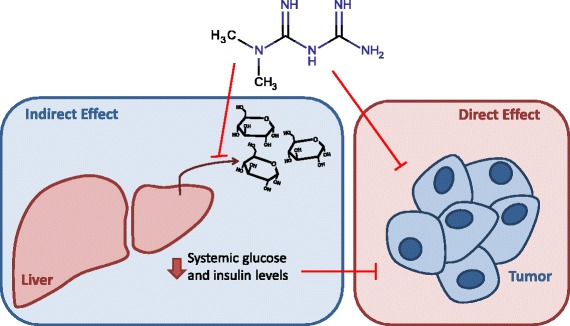
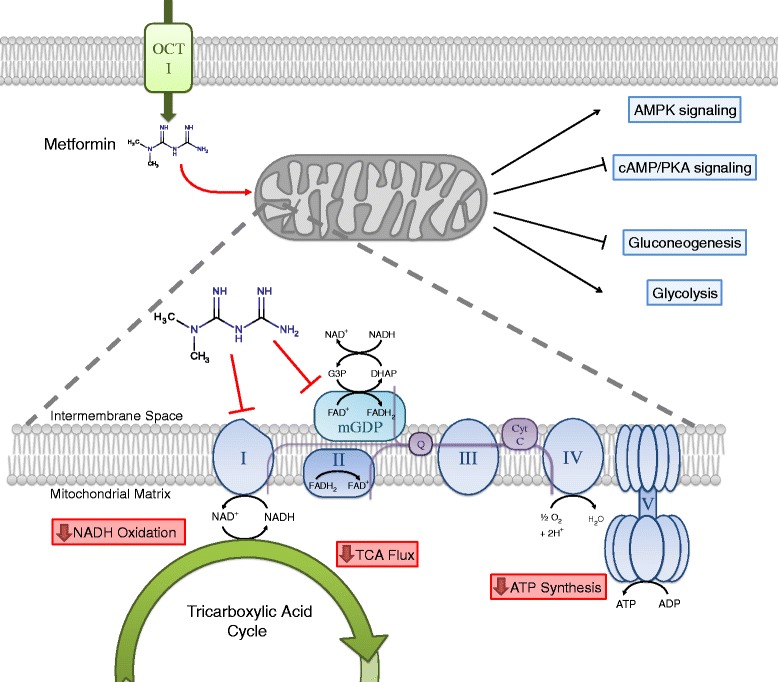
Metformin has been a first-line treatment for type II diabetes mellitus for decades and is the most widely prescribed antidiabetic drug. Retrospective studies have found that metformin treatment is associated with both reduced cancer diagnoses and cancer-related deaths. Despite the prevalence of metformin use in the clinic, its molecular mechanism of action remains controversial. In a recent issue of Cancer & Metabolism, Andrzejewski et al. present evidence that metformin acts directly on mitochondria to inhibit complex I and limits the ability of cancer cells to cope with energetic stress. Here, we discuss evidence that supports the role of metformin as a cancer therapeutic.
几十年来,二甲双胍一直是治疗II型糖尿病的一线药物,也是处方最广泛的抗糖尿病药物。回顾性研究发现,二甲双胍治疗与癌症诊断率降低和癌症相关死亡率降低均有关联。尽管二甲双胍在临床上使用广泛,但其分子作用机制仍存在争议。在最近一期的《癌症与代谢》杂志上,安杰耶夫斯基等人提出证据表明,二甲双胍直接作用于线粒体以抑制复合体I,并限制癌细胞应对能量应激的能力。在此,我们讨论支持二甲双胍作为癌症治疗药物作用的证据。