Cheng Gong, Zheng Si-Yang
Department of Biomedical engineering, The Pennsylvania State University, University Park, PA 16802, (USA).
Sci Rep. 2014 Nov 6;4:6947. doi: 10.1038/srep06947.
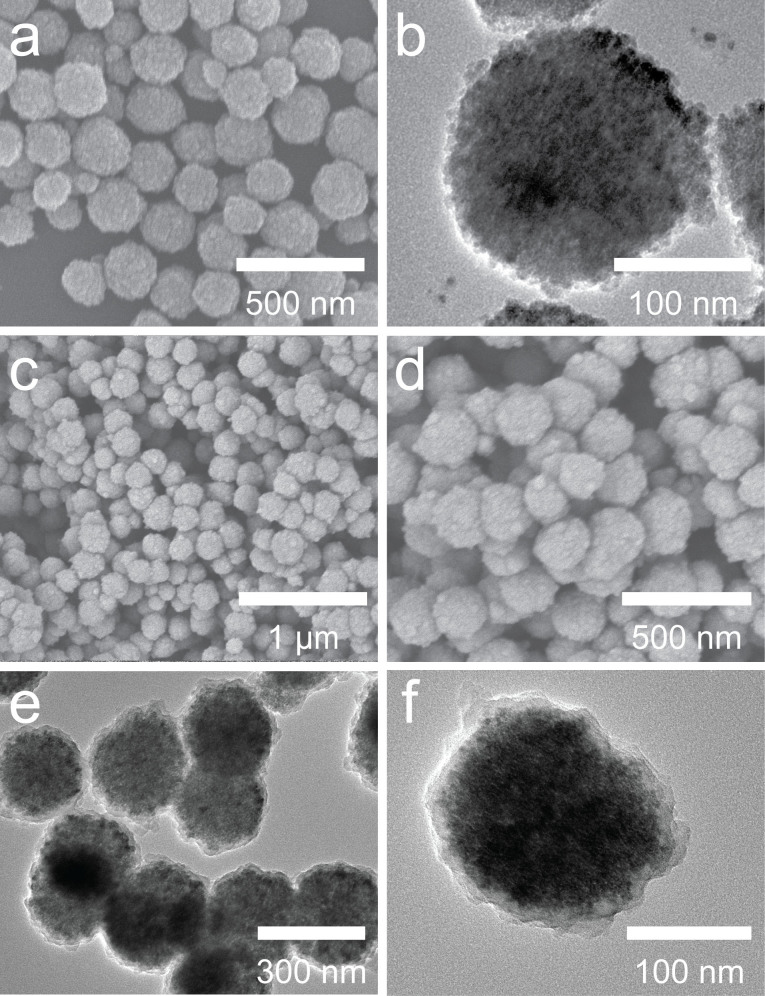
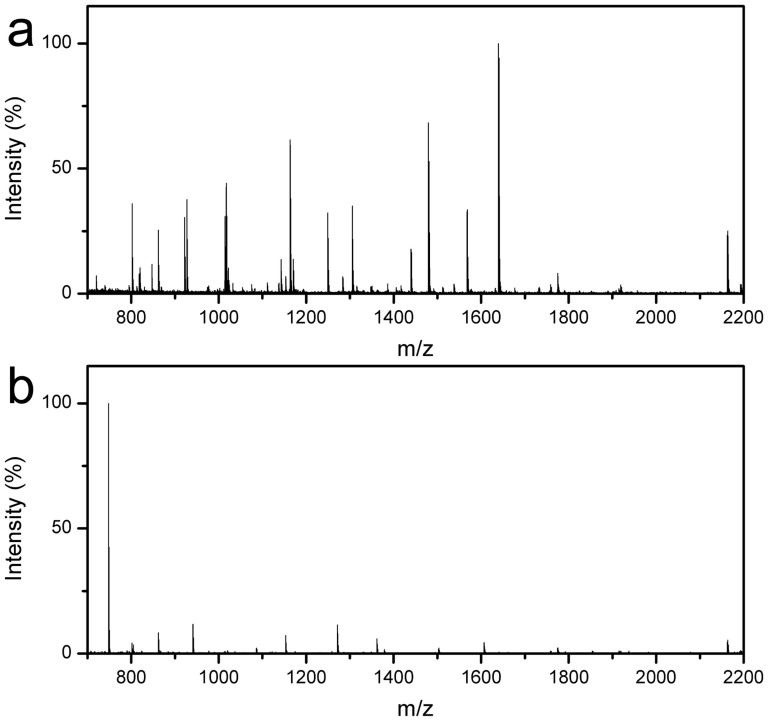
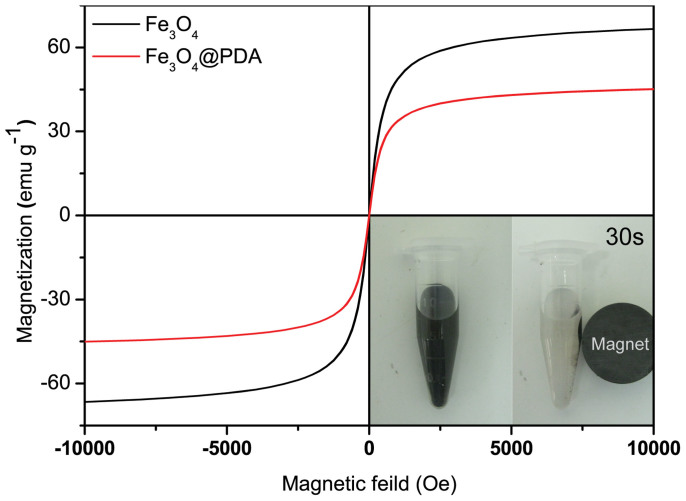
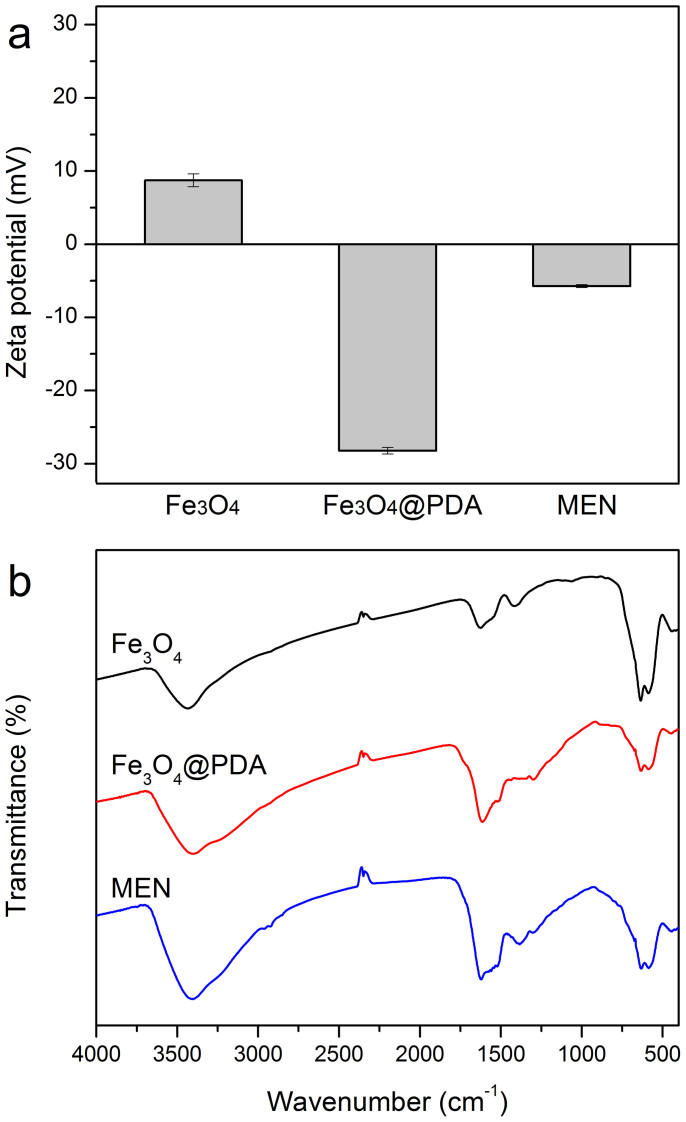
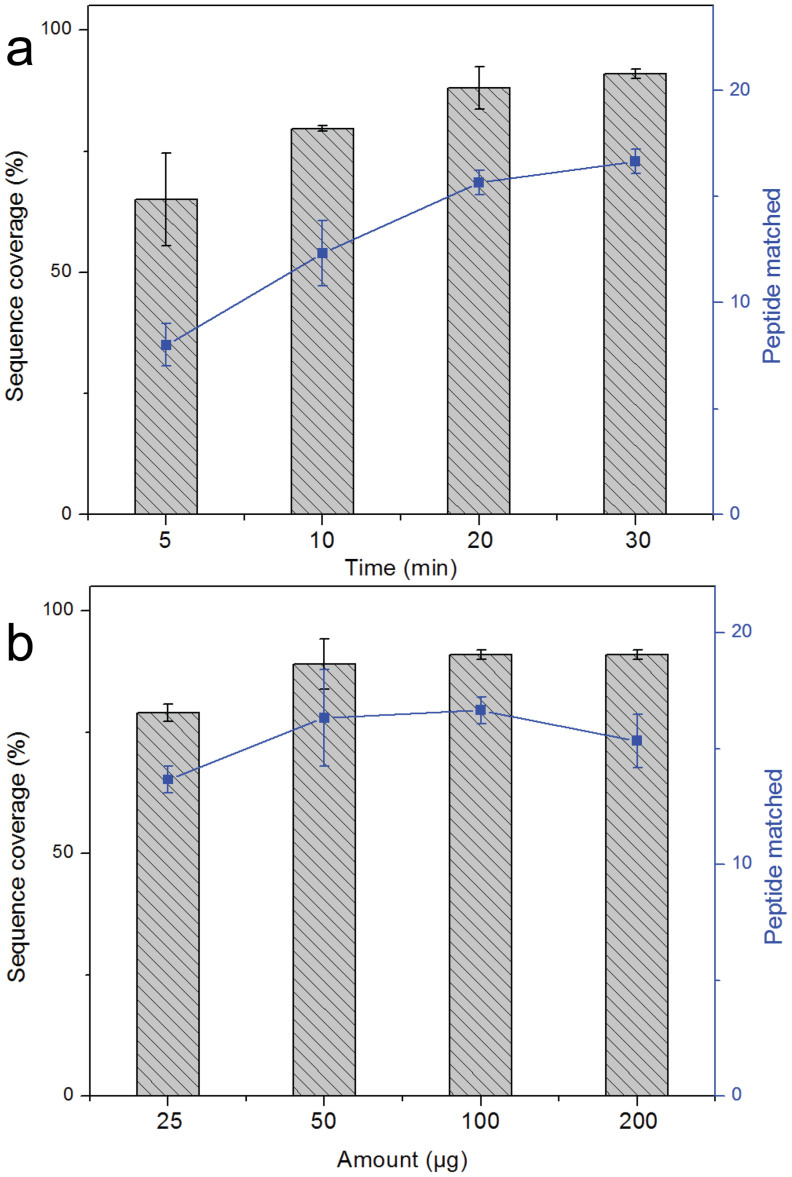
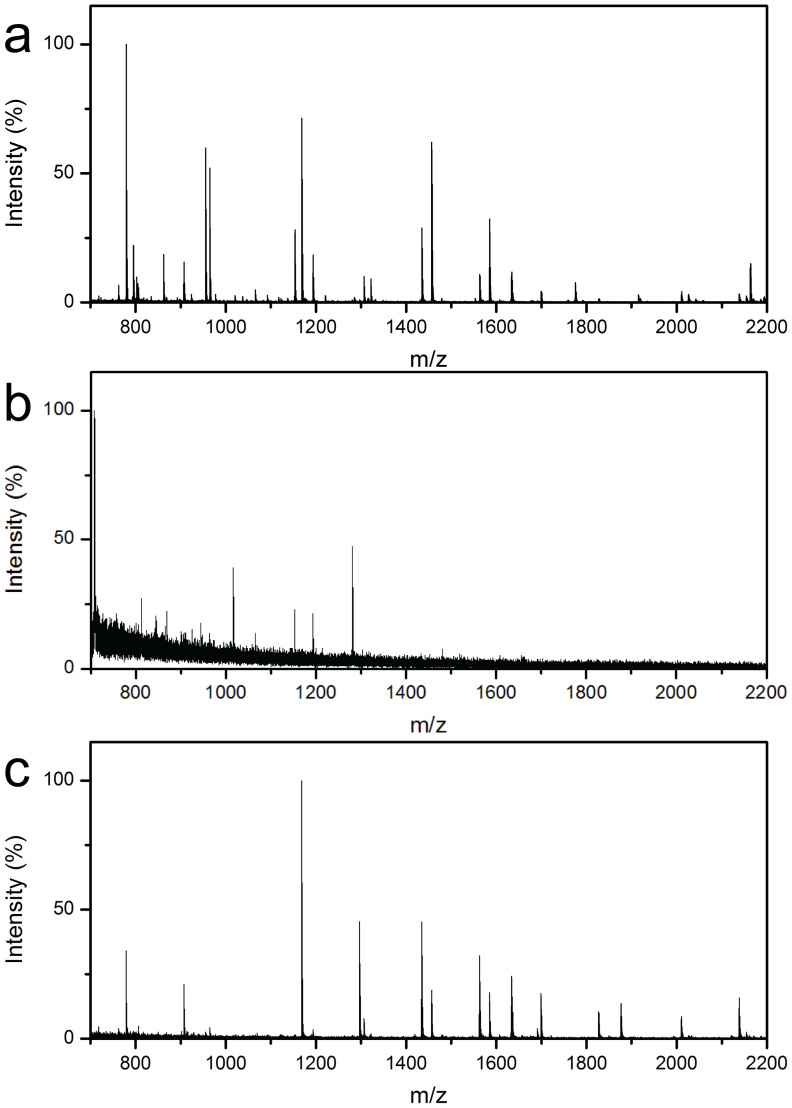
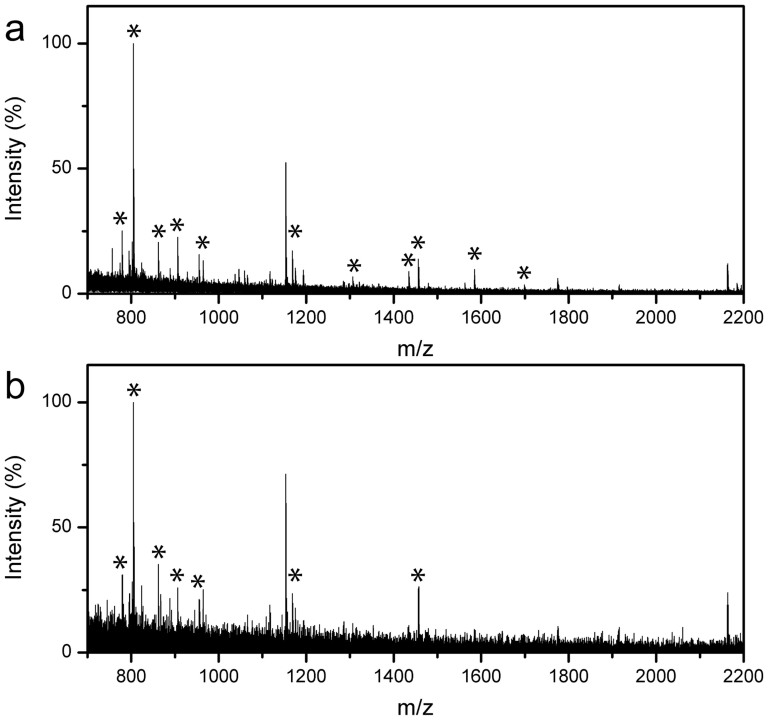
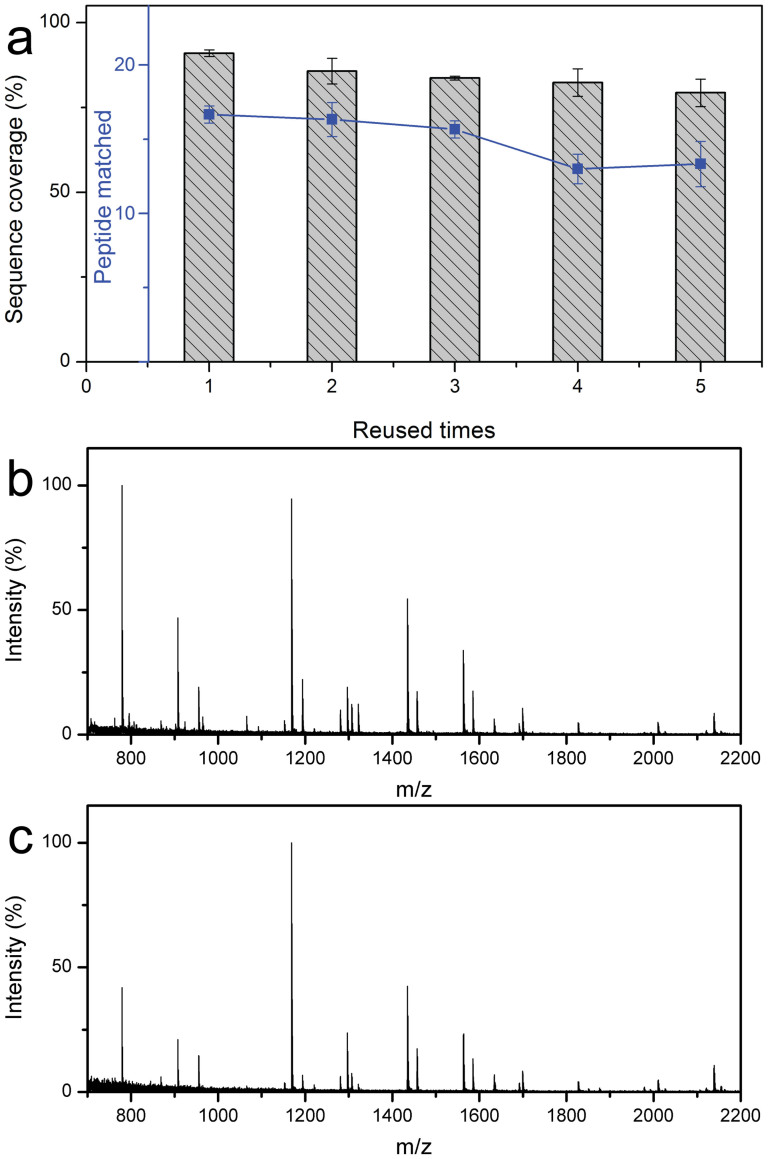
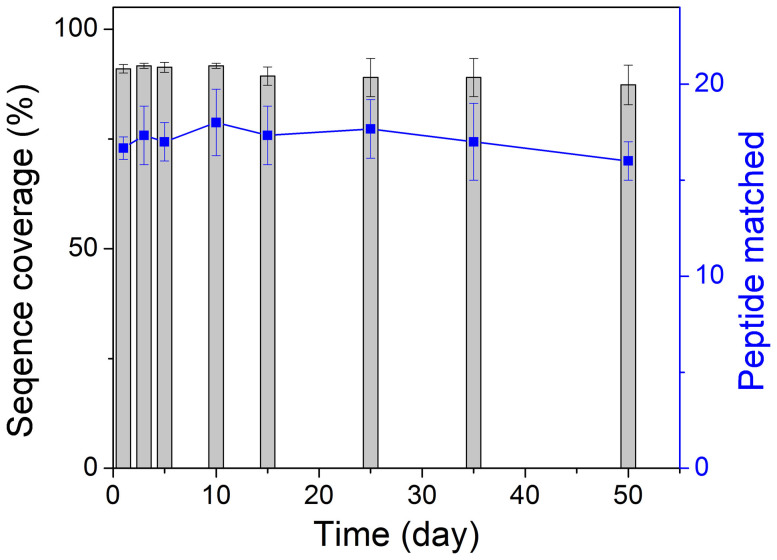
A magnetic enzyme nanosystem have been designed and constructed by a polydopamine (PDA)-modification strategy. The magnetic enzyme nanosystem has well defined core-shell structure and a relatively high saturation magnetization (Ms) value of 48.3 emu g(-1). The magnetic enzyme system can realize rapid, efficient and reusable tryptic digestion of proteins by taking advantage of its magnetic core and biofunctional shell. Various standard proteins (e.g. cytochrome C (Cyt-C), myoglobin (MYO) and bovine serum albumin (BSA)) have been used to evaluate the effectiveness of the magnetic enzyme nanosystem. The results show that the magnetic enzyme nanosystem can digest the proteins in 30 minutes, and the results are comparable to conventional 12 hours in-solution digestion. Furthermore, the magnetic enzyme nanosystem is also effective in the digestion of low-concentration proteins, even at as low as 5 ng μL(-1) substrate concentration. Importantly, the system can be reused several times, and has excellent stability for storage. Therefore, this work will be highly beneficial for the rapid digestion and identification of proteins in future proteomics.
通过聚多巴胺(PDA)修饰策略设计并构建了一种磁性酶纳米系统。该磁性酶纳米系统具有明确的核壳结构,饱和磁化强度(Ms)相对较高,为48.3 emu g(-1)。磁性酶系统利用其磁性核心和生物功能外壳,能够实现蛋白质的快速、高效且可重复的胰蛋白酶消化。已使用多种标准蛋白质(如细胞色素C(Cyt-C)、肌红蛋白(MYO)和牛血清白蛋白(BSA))来评估磁性酶纳米系统的有效性。结果表明,磁性酶纳米系统能够在30分钟内消化蛋白质,结果与传统的12小时溶液消化相当。此外,磁性酶纳米系统在低浓度蛋白质的消化中也有效,即使在底物浓度低至5 ng μL(-1)时也是如此。重要的是,该系统可重复使用多次,并且具有出色的储存稳定性。因此,这项工作将对未来蛋白质组学中蛋白质的快速消化和鉴定非常有益。