Stover John, Andreev Kirill, Slaymaker Emma, Gopalappa Chaitra, Sabin Keith, Velasquez Claudia, Nakiyingi-Miiro Jessica, Crampin Amelia, Lutalo Tom, Herbst Kobus, Gregson Simon, Urassa Mark
aFutures Institute, Glastonbury, CT bUniversity of Massachusetts, Amherst, MA cUnited Nations Population Division, New York, New York, USA dDepartment of Population Studies, London School of Hygiene and Tropical Medicine, UK eUNAIDS, Geneva, Switzerland fUNAIDS, Panama City, Panama gMRC-UVRI, Entebbe Uganda hDepartment of Infectious Disease Epidemiology, London School of Hygiene and Tropical Medicine, London, UK and Karonga Prevention Study, Chilumba, Malawi iRakai Health Sciences Program, Uganda jThe Africa Centre for Health and population Studies, University of KwaZulu Natal, Somkhele, South Africa kFaculty of Medicine, School of Public Health, Imperial College, London lNational Institute for Medical Research, Mwanza, Tanzani, UK.
AIDS. 2014 Nov;28 Suppl 4(4):S427-34. doi: 10.1097/QAD.0000000000000483.
The Spectrum program is used to estimate key HIV indicators for national programmes. The purpose of the study is to describe the key updates made to Spectrum in the last 2 years to produce the version used in the 2013 global estimates of HIV/AIDS.
The United Nations Programme on HIV/AIDS (UNAIDS) Reference Group on Estimates, Models and Projections regularly reviews new data and information needs and recommends updates to the methodology and assumptions used in Spectrum. The latest data from surveys, census and special studies are used to estimate key parameter values for countries and regions.
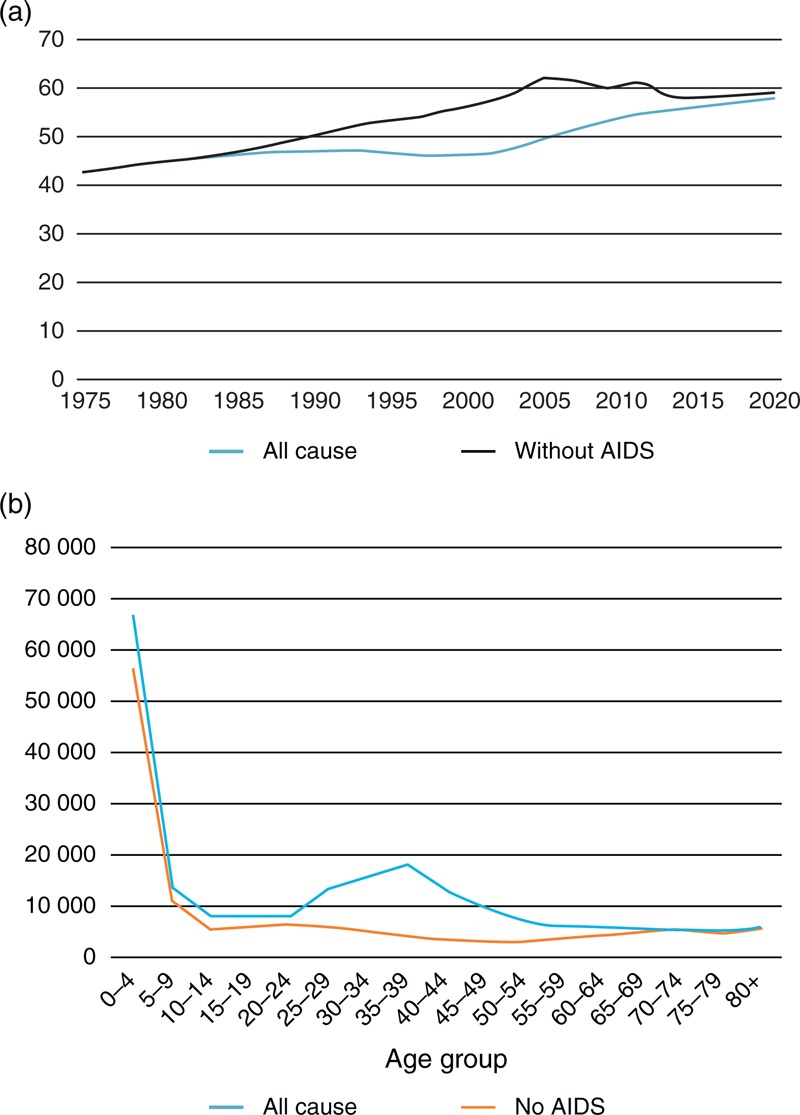
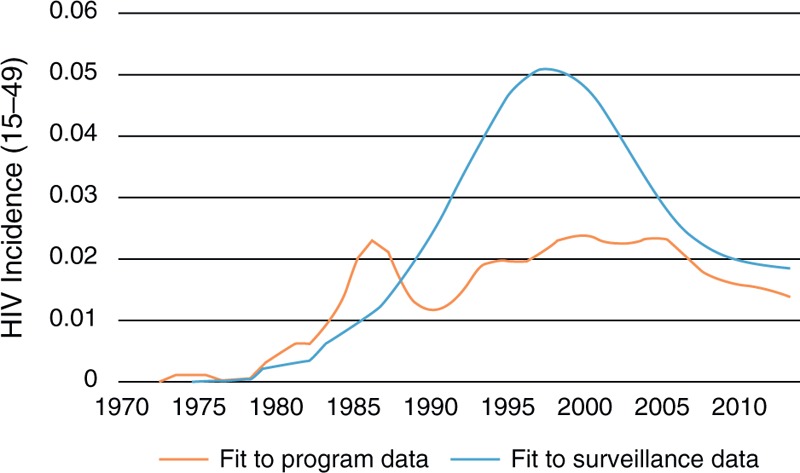
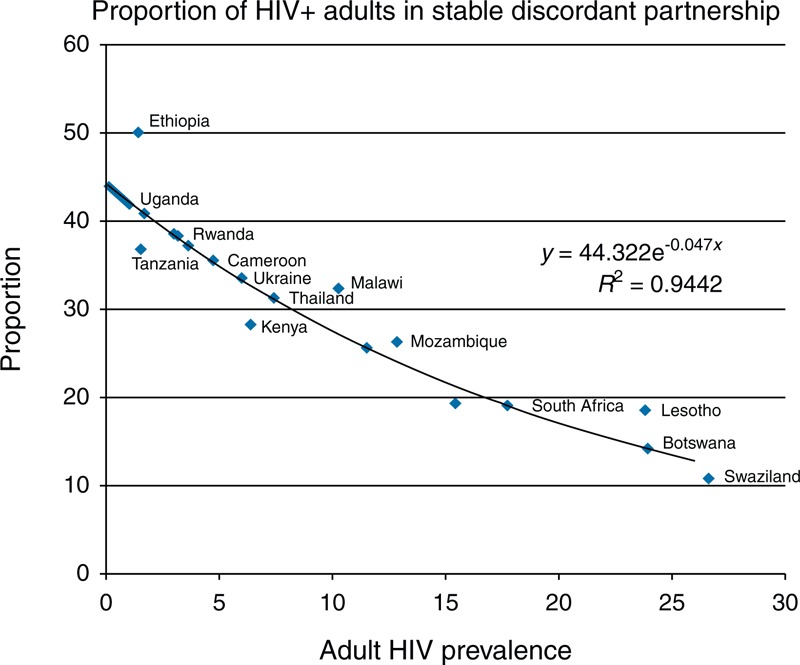
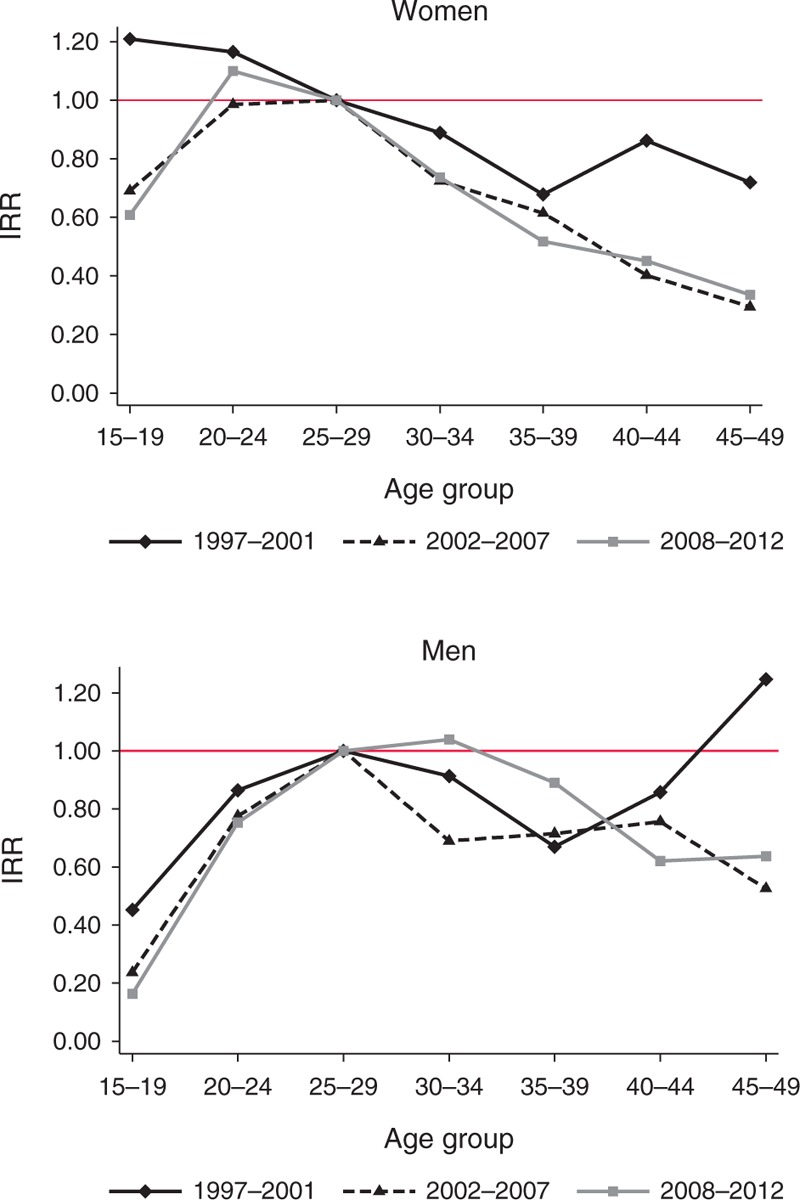
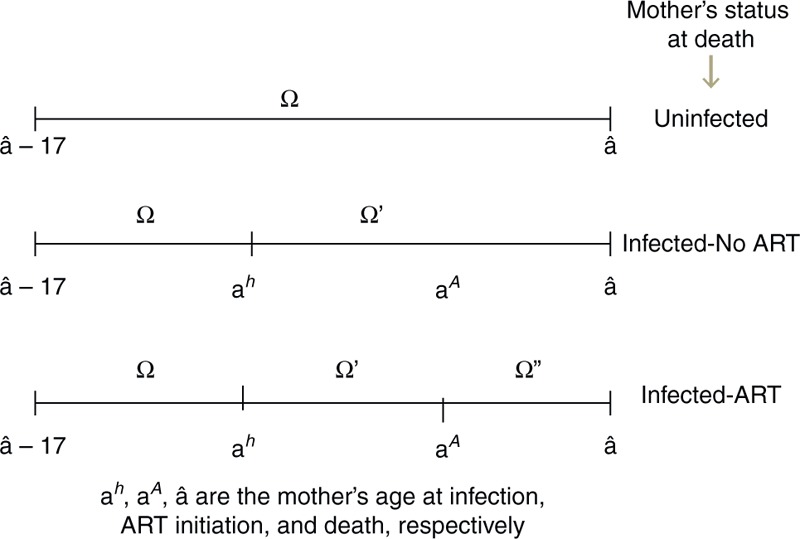
Country-specific life tables prepared by the United National Population Division (UNPD) have been incorporated into Spectrum's demographic projections replacing the model life tables used previously. This update includes revised estimates of non-AIDS life expectancy. Incidence among all adults 15-49 years generated from curve fitting to surveillance and survey data is now split by age using incidence rate ratios derived from Analysing Longitudinal Population-based HIV/AIDS data on Africa Network data for generalized epidemics. Methods for estimating the number of AIDS orphans have been updated to include the changing effects of PMTCT and antiretroviral therapy programmes. Procedures for estimating the number of adults eligible for treatment have been updated to reflect the 2013 WHO guidelines. Program data on AIDS mortality has been used to estimate prevalence trends in Argentina, Brazil and Mexico for the 2013 estimates.
Spectrum was updated for the 2013 round of HIV estimates in order to support national programmes with improved methods and data to estimating national indicators.
“频谱”程序用于估算各国项目的关键艾滋病病毒指标。本研究的目的是描述过去两年对“频谱”程序所做的关键更新,以生成用于2013年全球艾滋病病毒/艾滋病估计数的版本。
联合国艾滋病规划署(UNAIDS)估计、模型和预测参考小组定期审查新的数据和信息需求,并建议更新“频谱”程序中使用的方法和假设。来自调查、人口普查和专项研究的最新数据用于估算各国和各地区的关键参数值。
联合国人口司(UNPD)编制的各国特定生命表已纳入“频谱”程序的人口预测中,取代了此前使用的模型生命表。这一更新包括对非艾滋病相关预期寿命的修订估计。根据对监测和调查数据进行曲线拟合得出的15至49岁所有成年人的发病率,现在使用基于非洲网络数据的广义流行纵向人群艾滋病病毒/艾滋病数据分析得出的发病率比按年龄进行划分。估算艾滋病孤儿数量的方法已经更新,以纳入预防母婴传播和抗逆转录病毒治疗项目不断变化的影响。估算符合治疗条件的成年人数量的程序已经更新,以反映2013年世界卫生组织的指导方针。艾滋病死亡率的项目数据已用于估算2013年估计数中阿根廷、巴西和墨西哥的流行趋势。
为2013年一轮艾滋病病毒估计数对“频谱”程序进行了更新,以便用改进的方法和数据支持各国项目来估算国家指标。