Lee Yeon Kyung, Choi Eun-Ju, Webster Thomas J, Kim Sang-Hyun, Khang Dongwoo
Department of Molecular Medicine, School of Medicine, Gachon University, Incheon, South Korea.
Division of Sport Science, College of Science and Technology, Konkuk University, Chungju, South Korea.
Int J Nanomedicine. 2014 Dec 18;10:97-113. doi: 10.2147/IJN.S72998. eCollection 2015.
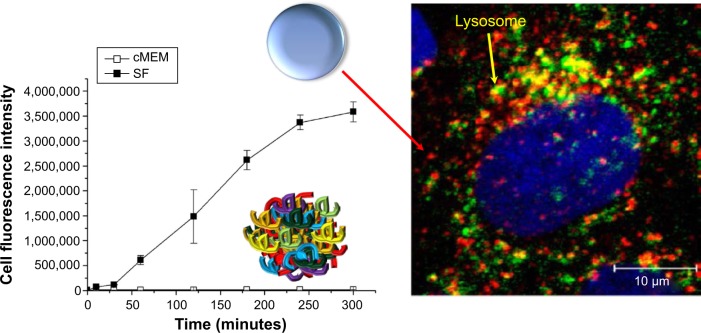
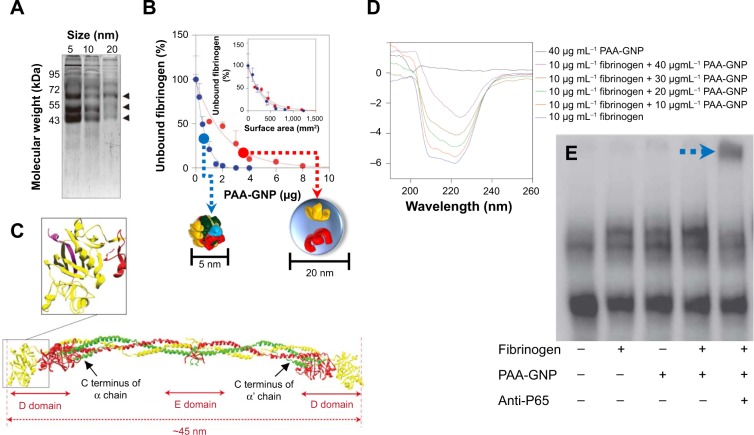
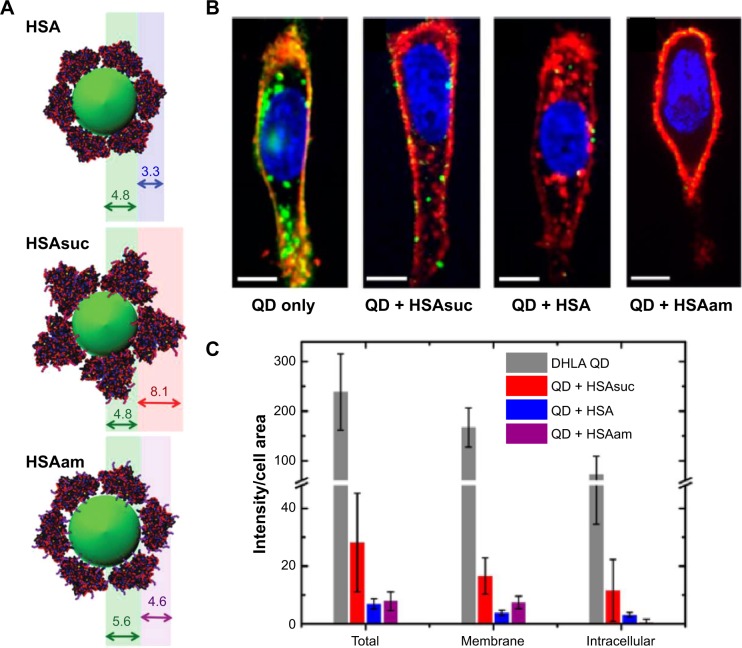
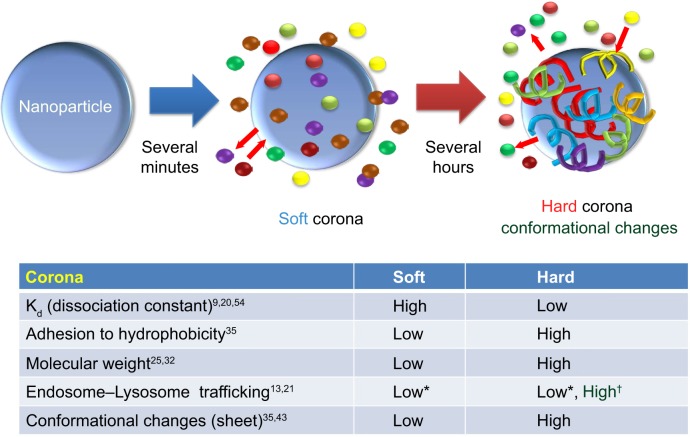
Although the cytotoxicity of nanoparticles (NPs) is greatly influenced by their interactions with blood proteins, toxic effects resulting from blood interactions are often ignored in the development and use of nanostructured biomaterials for in vivo applications. Protein coronas created during the initial reaction with NPs can determine the subsequent immunological cascade, and protein coronas formed on NPs can either stimulate or mitigate the immune response. Along these lines, the understanding of NP-protein corona formation in terms of physiochemical surface properties of the NPs and NP interactions with the immune system components in blood is an essential step for evaluating NP toxicity for in vivo therapeutics. This article reviews the most recent developments in NP-based protein coronas through the modification of NP surface properties and discusses the associated immune responses.
尽管纳米颗粒(NPs)的细胞毒性在很大程度上受其与血液蛋白质相互作用的影响,但在用于体内应用的纳米结构生物材料的开发和使用过程中,由血液相互作用产生的毒性效应常常被忽视。纳米颗粒在与蛋白质的初始反应过程中形成的蛋白冠可以决定随后的免疫级联反应,并且在纳米颗粒上形成的蛋白冠既可以刺激也可以减轻免疫反应。基于此,从纳米颗粒的物理化学表面性质以及纳米颗粒与血液中免疫系统成分的相互作用方面来理解纳米颗粒-蛋白冠的形成,是评估纳米颗粒用于体内治疗时毒性的关键一步。本文通过对纳米颗粒表面性质的修饰,综述了基于纳米颗粒的蛋白冠的最新进展,并讨论了相关的免疫反应。