Andersson Erik, Nykvist Björn, Malinga Rebecka, Jaramillo Fernando, Lindborg Regina
Stockholm Resilience Centre, Stockholm University, 106 91, Stockholm, Sweden,
Ambio. 2015 Jan;44 Suppl 1(Suppl 1):S102-12. doi: 10.1007/s13280-014-0603-y.
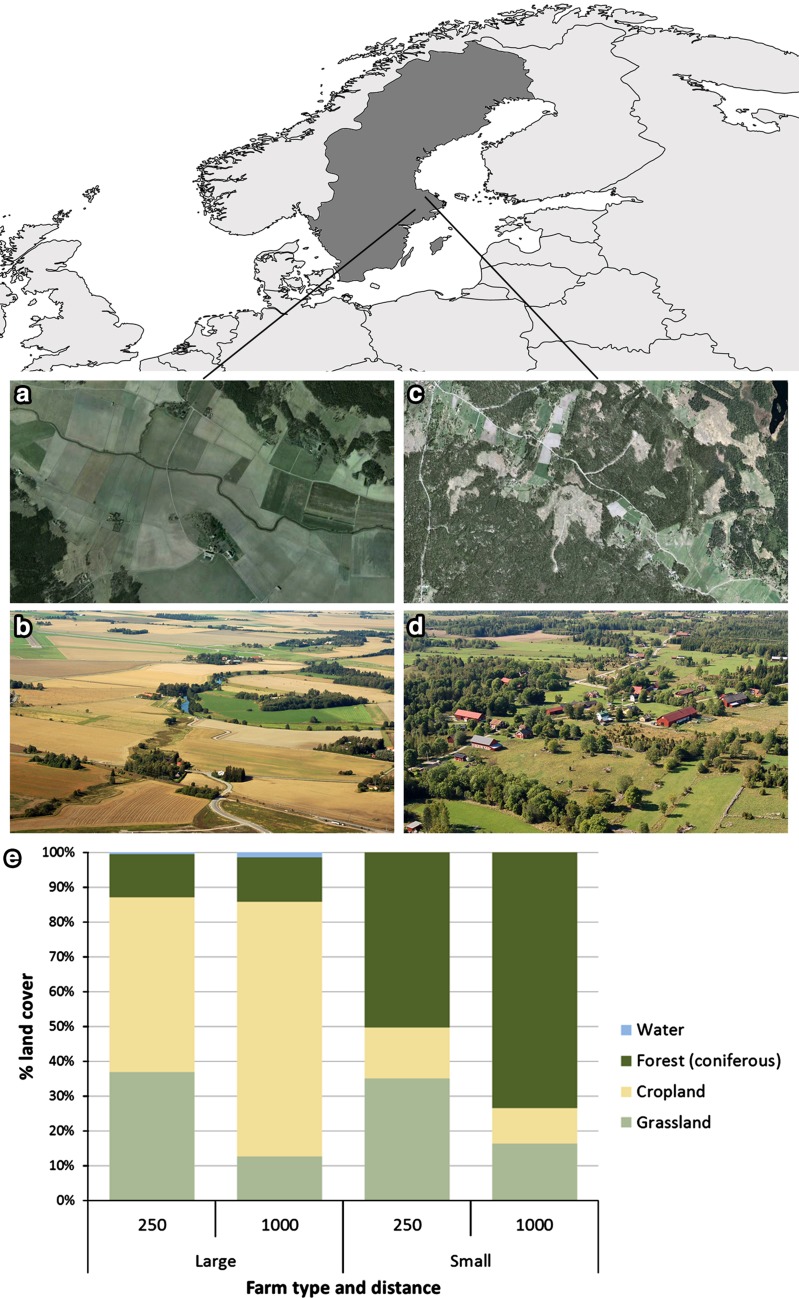
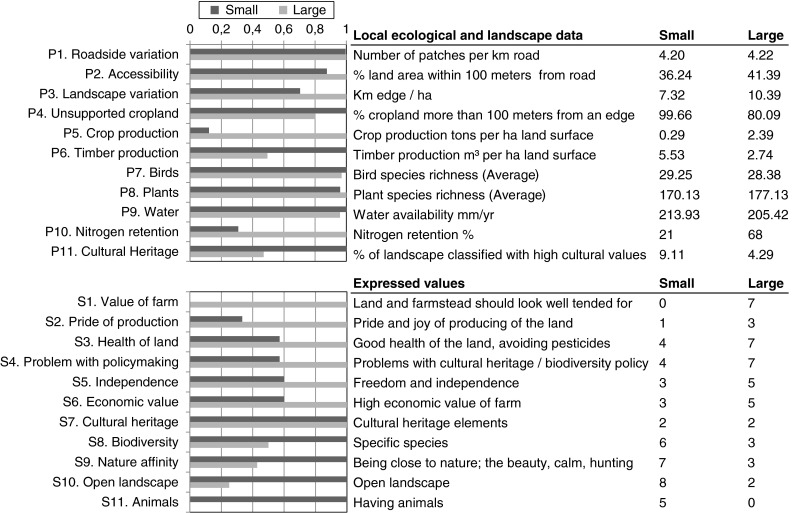
In this exploratory study we use existing in situ qualitative and quantitative data on biophysical and social indicators to compare two contrasting Swedish farming systems (low intensity and high intensity) with regard to ecosystem service supply and demand of a broad suite of services. We show that the value (demand) placed on a service is not necessarily connected to the quantity (supply) of the service, most clearly shown for the services recreation, biodiversity, esthetic experience, identity, and cultural heritage. To better capture this complexity we argue for the need to develop portfolios of indicators for different ecosystem services and to further investigate the different aspects of supply and demand. The study indicates that available data are often ill-suited to answer questions about local delivery of services. If ecosystem services are to be included in policy, planning, and management, census data need to be formatted and scaled appropriately.
在这项探索性研究中,我们利用现有的关于生物物理和社会指标的定性和定量实地数据,比较瑞典两种截然不同的农业系统(低强度和高强度)在一系列广泛服务的生态系统服务供需方面的情况。我们表明,对一项服务的重视程度(需求)不一定与该服务的数量(供给)相关,这在休闲、生物多样性、审美体验、身份认同和文化遗产等服务方面表现得最为明显。为了更好地把握这种复杂性,我们主张有必要为不同的生态系统服务制定指标组合,并进一步研究供需的不同方面。该研究表明,现有数据往往不太适合回答有关地方服务提供的问题。如果要将生态系统服务纳入政策、规划和管理中,普查数据需要进行适当的格式化和规模调整。