Hwang Jong-Hee, Choi Cheol Soo
Korea Mouse Metabolic Phenotyping Center (KMMPC), Lee Gil Ya Cancer and Diabetes Institute, Gachon University, Incheon, Korea.
1] Korea Mouse Metabolic Phenotyping Center (KMMPC), Lee Gil Ya Cancer and Diabetes Institute, Gachon University, Incheon, Korea [2] Division of Endocrinology, Department of Internal Medicine, Gachon University Gil Medical Center, Incheon, Korea.
Exp Mol Med. 2015 Feb 6;47(2):e139. doi: 10.1038/emm.2014.101.
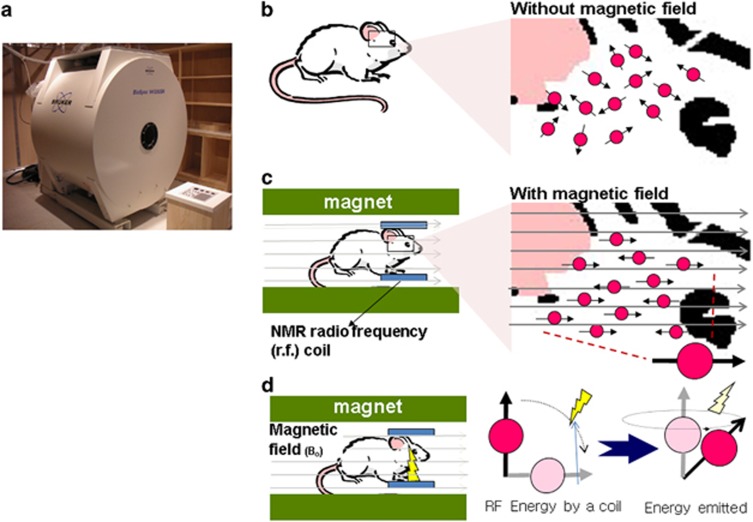
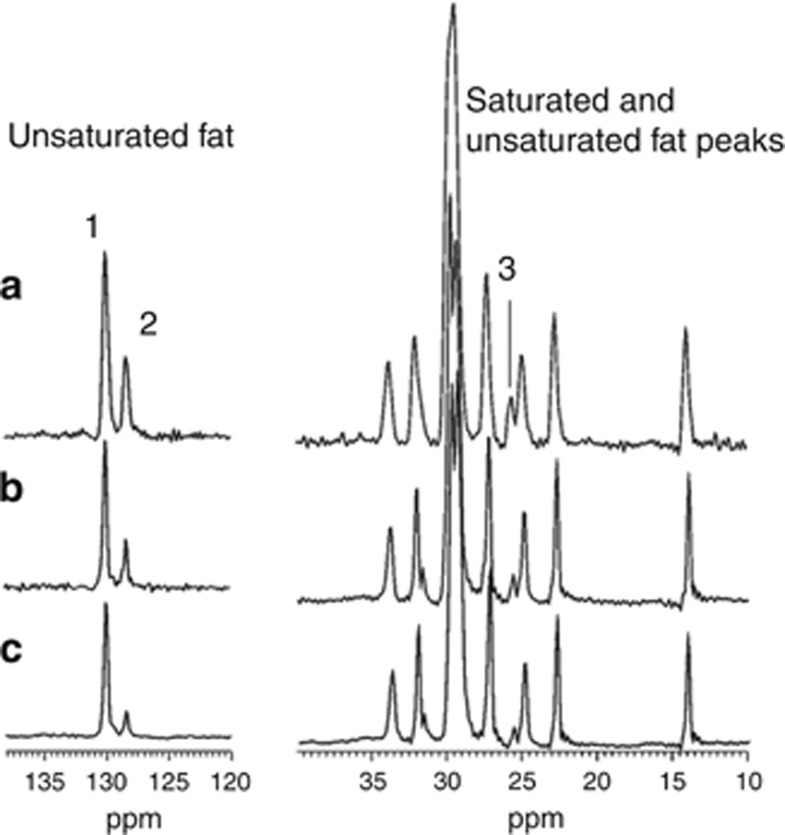
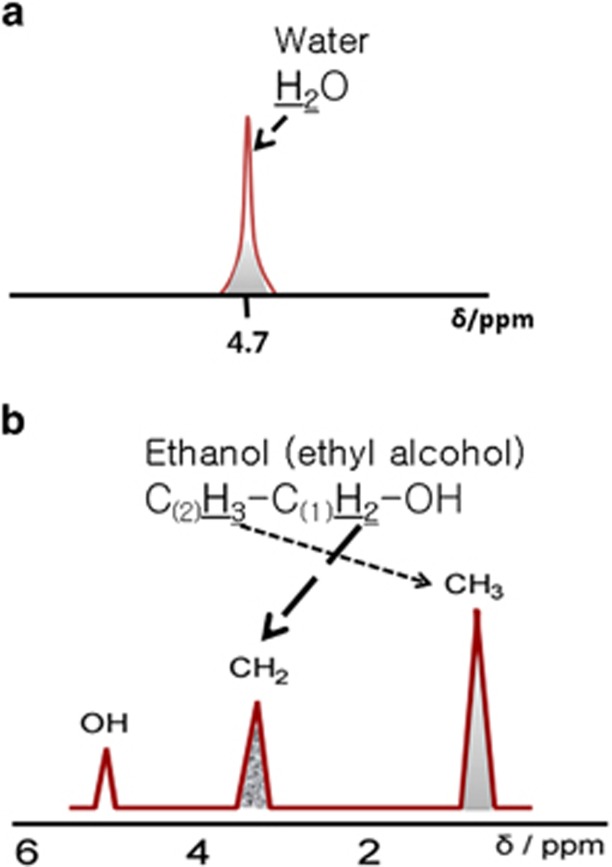
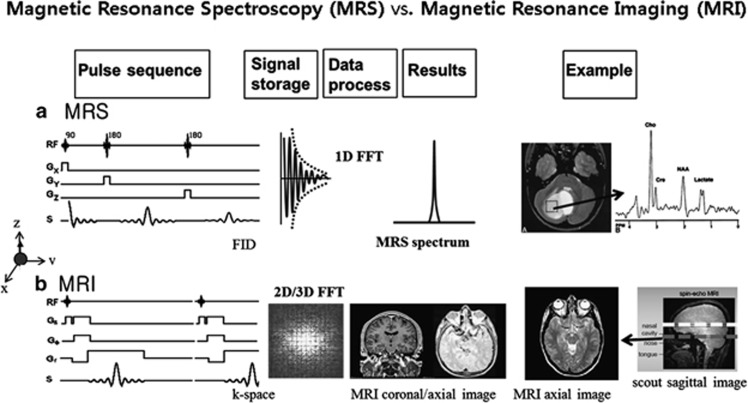
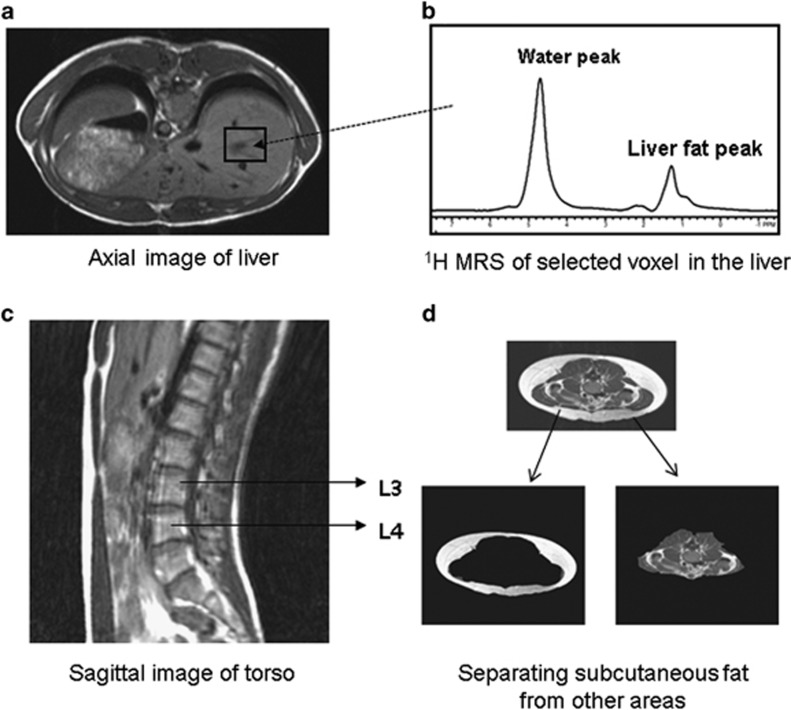
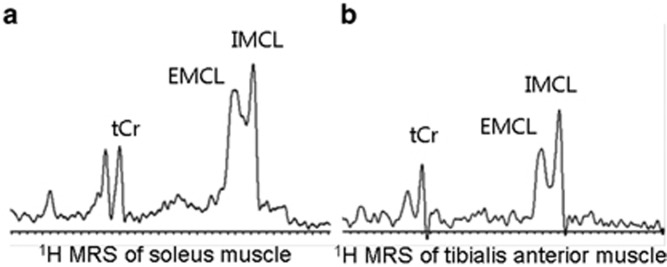
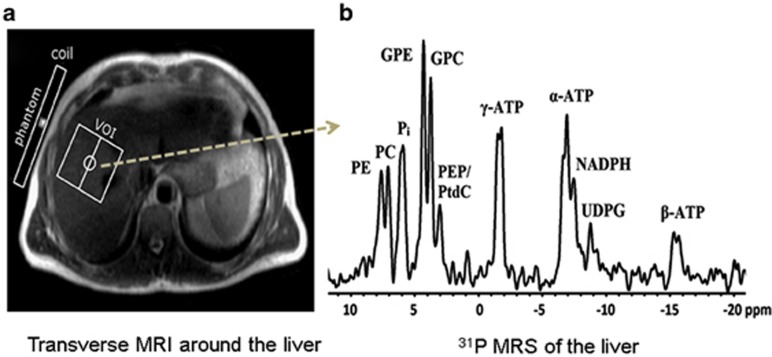
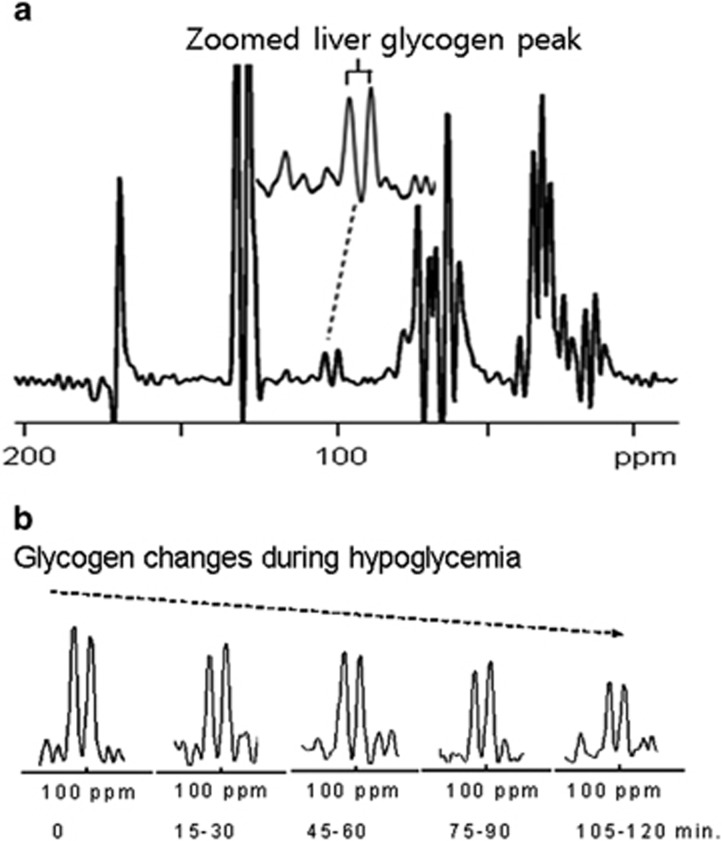
Owing to the worldwide obesity epidemic and the sedentary lifestyle in industrialized countries, the number of people with metabolic diseases is explosively increasing. Magnetic resonance spectroscopy (MRS), which is fundamentally similar to magnetic resonance imaging, can detect metabolic changes in vivo noninvasively. With its noninvasive nature, (1)H, (13)C and (31)P MRS are being actively utilized in clinical and biomedical metabolic studies to detect lipids and important metabolites without ionizing radiation. (1)H MRS can quantify lipid content in liver and muscle and can detect other metabolites, such as 2-hydroxyglutarate, in vivo. Of interest, many studies have indicated that hepatic and intramyocellular lipid content is inversely correlated with insulin sensitivity in humans. Thus, lipid content can be utilized as an in vivo biomarker for detecting early insulin resistance. Employing (13)C MRS, hepatic glycogen synthesis and breakdown can be directly detected, whereas (31)P MRS provides in vivo adenosine triphosphate (ATP) synthesis rates by saturation transfer methods in addition to ATP content. These in vivo data can be very difficult to assess by other methods and offer a critical piece of metabolic information. To aid the reader in understanding these new methods, fundamentals of MRS are described in this review in addition to promising future applications of MRS and its limitations.
由于全球肥胖流行以及工业化国家人们久坐不动的生活方式,患有代谢疾病的人数正在急剧增加。磁共振波谱(MRS)与磁共振成像基本相似,能够在不进行侵入性操作的情况下检测体内的代谢变化。凭借其非侵入性的特点,氢(¹H)、碳(¹³C)和磷(³¹P)磁共振波谱正被积极应用于临床和生物医学代谢研究中,以检测脂质和重要代谢物,且无需电离辐射。氢磁共振波谱能够定量肝脏和肌肉中的脂质含量,并能在体内检测其他代谢物,如2-羟基戊二酸。有趣的是,许多研究表明,肝脏和肌细胞内的脂质含量与人类胰岛素敏感性呈负相关。因此,脂质含量可作为检测早期胰岛素抵抗的体内生物标志物。利用碳磁共振波谱,可以直接检测肝脏糖原的合成与分解,而磷磁共振波谱除了能提供三磷酸腺苷(ATP)含量外,还可通过饱和转移方法测定体内ATP的合成速率。这些体内数据很难通过其他方法评估,且能提供关键的代谢信息。为帮助读者理解这些新方法,本综述除了介绍磁共振波谱的未来应用前景及其局限性外,还描述了磁共振波谱的基本原理。