Ibrar Muhammad, Muhammad Naveed, De Feo Vincenzo
Department of Botany, University of Peshawar, Peshawar 25000, Pakistan.
Department of Pharmacy, Abdul Wali Khan University, Mardan 23200, Pakistan.
Molecules. 2015 Mar 16;20(3):4735-45. doi: 10.3390/molecules20034735.
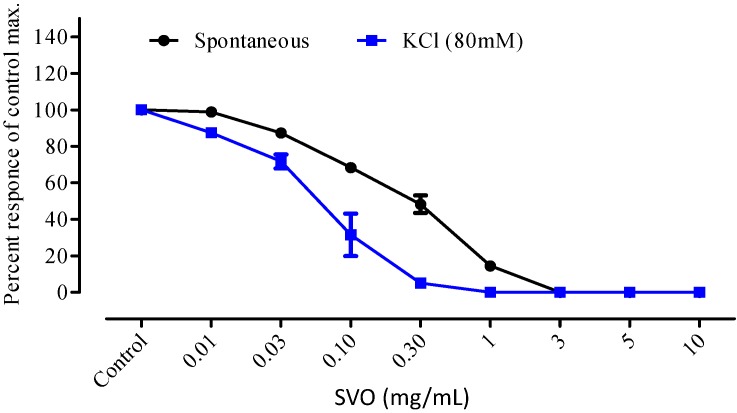
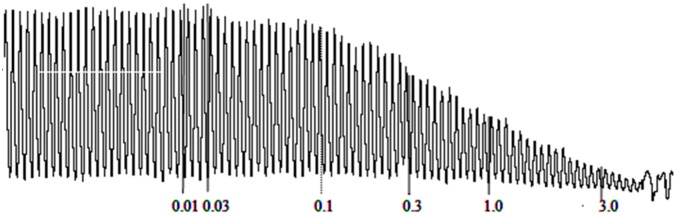
The composition of the essential oil from leaves of Skimmia laureola was determined by GC and GC-MS. Twenty-eight components were identified, accounting for 93.9% of the total oil. The oil is mainly composed of monoterpenes (93.5%), of which monoterpene hydrocarbons and oxygenated monoterpenes represent 11.0% and 82.5%, respectively. Sesquiterpenes constitute only 0.3% of the total oil. Linalyl acetate is the main component (50.5%), with linalool (13.1%), geranyl acetate (8.5%) and cis-p-menth-2-en-1-ol (6.2%) as other principal constituents. The essential oil showed a significant antispasmodic activity, in a dose range of 0.03-10 mg/mL. The essential oil also possesses antibacterial and antifungal activities against some pathogenic strains. The phytotoxic and cytotoxic activities were also assessed.
采用气相色谱(GC)和气相色谱-质谱联用(GC-MS)法测定了香叶茵芋叶精油的成分。共鉴定出28种成分,占精油总量的93.9%。该精油主要由单萜类化合物(93.5%)组成,其中单萜烃类和含氧单萜类分别占11.0%和82.5%。倍半萜类仅占精油总量的0.3%。乙酸芳樟酯是主要成分(50.5%),其他主要成分还有芳樟醇(13.1%)、乙酸香叶酯(8.5%)和顺式-对-薄荷-2-烯-1-醇(6.2%)。该精油在0.03 - 10 mg/mL剂量范围内表现出显著的解痉活性。该精油对一些病原菌还具有抗菌和抗真菌活性。同时也评估了其植物毒性和细胞毒性活性。