Schneider Claus, Gordon Odaine N, Edwards Rebecca L, Luis Paula B
Department of Pharmacology and Vanderbilt Institute of Chemical Biology, Vanderbilt University School of Medicine , Nashville, Tennessee 37232, United States.
J Agric Food Chem. 2015 Sep 9;63(35):7606-14. doi: 10.1021/acs.jafc.5b00244. Epub 2015 Apr 2.
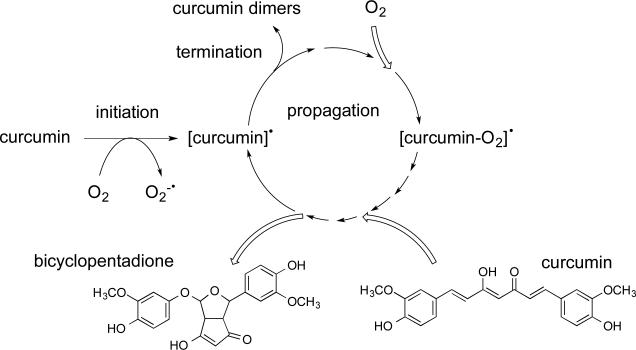
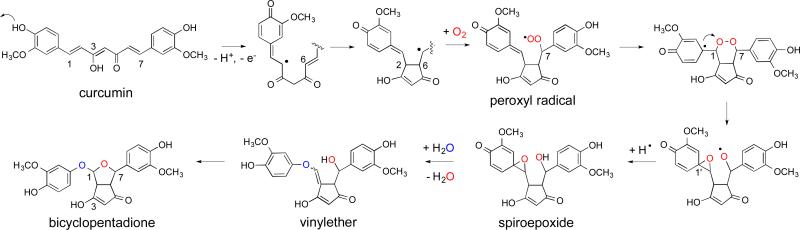
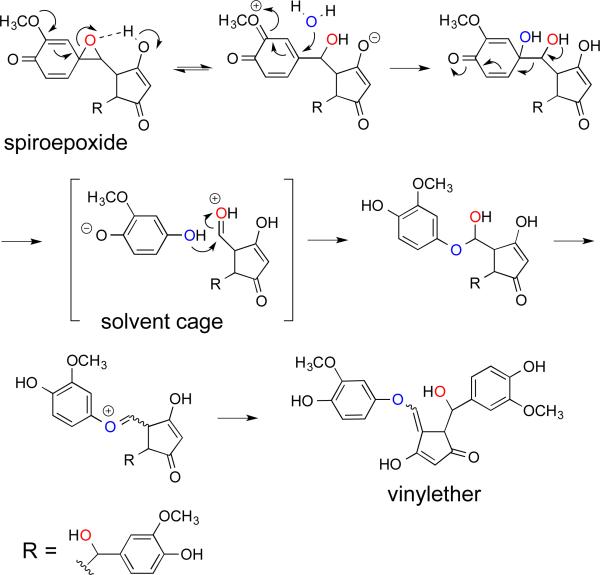
Curcumin is the main bioactive ingredient in turmeric extract and widely consumed as part of the spice mix curry or as a dietary supplement. Turmeric has a long history of therapeutic application in traditional Asian medicine. Biomedical studies conducted in the past two decades have identified a large number of cellular targets and effects of curcumin. In vitro curcumin rapidly degrades in an autoxidative transformation to diverse chemical species, the formation of which has only recently been appreciated. This paper discusses how the degradation and metabolism of curcumin, through products and their mechanism of formation, provide a basis for the interpretation of preclinical data and clinical studies. It is suggested that the previously unrecognized diversity of its degradation products could be an important factor in explaining the polypharmacology of curcumin.
姜黄素是姜黄提取物中的主要生物活性成分,作为香料混合物咖喱的一部分或作为膳食补充剂被广泛食用。姜黄在传统亚洲医学中有着悠久的治疗应用历史。过去二十年进行的生物医学研究已经确定了姜黄素的大量细胞靶点和作用。在体外,姜黄素通过自氧化转化迅速降解为多种化学物质,其形成直到最近才被认识到。本文讨论了姜黄素的降解和代谢如何通过产物及其形成机制为临床前数据和临床研究的解释提供基础。有人认为,其降解产物以前未被认识到的多样性可能是解释姜黄素多药理学的一个重要因素。