Takeuchi Satoru, Nagatani Kimihiro, Otani Naoki, Nawashiro Hiroshi, Sugawara Takashi, Wada Kojiro, Mori Kentaro
Department of Neurosurgery, National Defense Medical College, 3-2 Namiki, Tokorozawa, Saitama, 359-8513, Japan.
Division of Neurosurgery, Tokorozawa Central Hospital, Tokorozawa, Saitama, Japan.
BMC Neurosci. 2015 Apr 20;16:22. doi: 10.1186/s12868-015-0165-3.
Enhanced oxidative stress occurs in spontaneously hypertensive stroke-prone rats (SHRSP), and is important in blood-brain barrier (BBB) disruption. Hydrogen can exert potent protective cellular effects via reduction in oxidative stress in various diseases. The present study investigated whether long-term hydrogen treatment can improve neurological function outcome in the SHRSP model, and the effects of hydrogen on BBB function, especially the oxidative stress and the activity of matrix metalloproteinases (MMPs) in this model. Fifty-six animals were randomly assigned to 2 groups and treated as follows: SHRSP treated with hydrogen-rich water (HRW) (HRW group, n = 28); and SHRSP treated with regular water (control group, n = 28). The effect of HRW on overall survival and neurological function, and the effects of HRW on reactive oxygen species, BBB function, and MMP activities were examined.
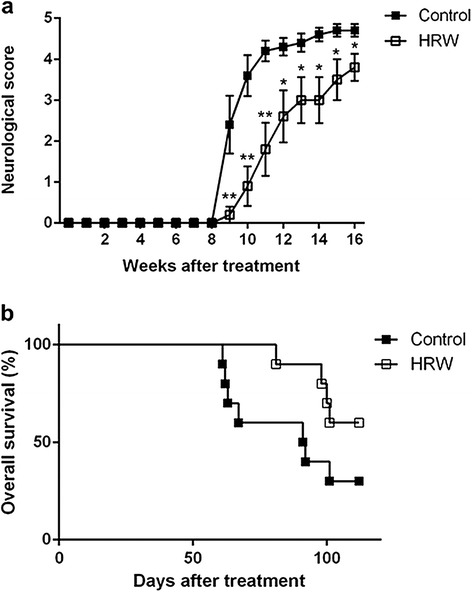
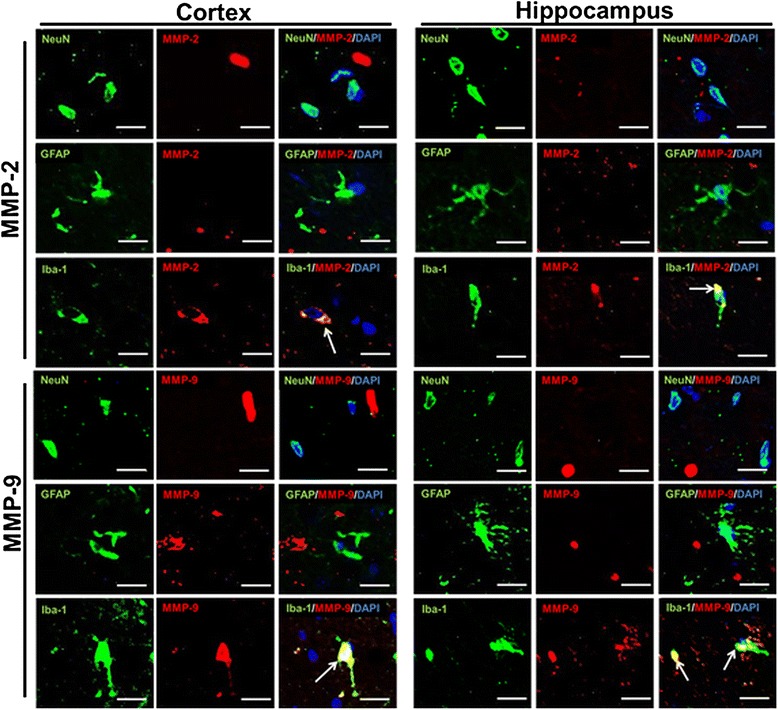
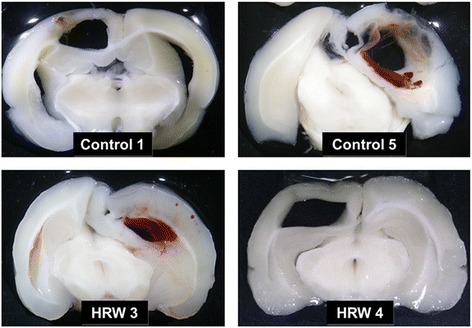
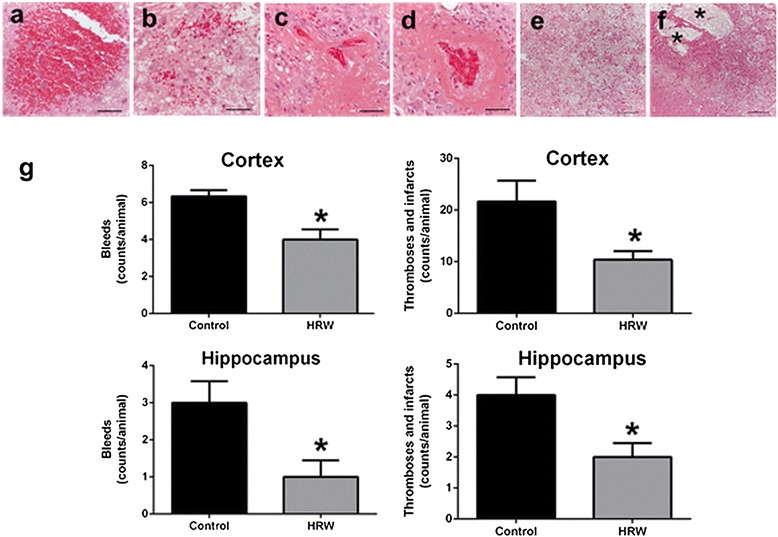
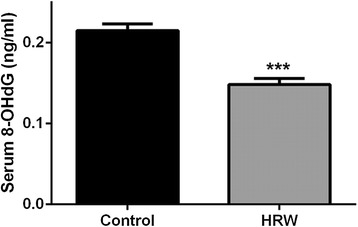
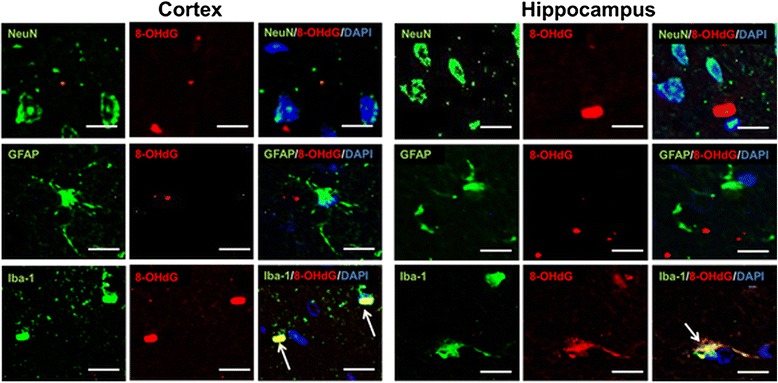
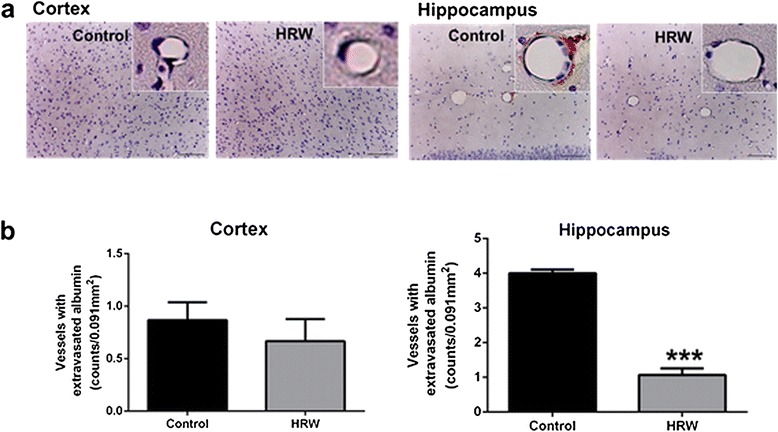
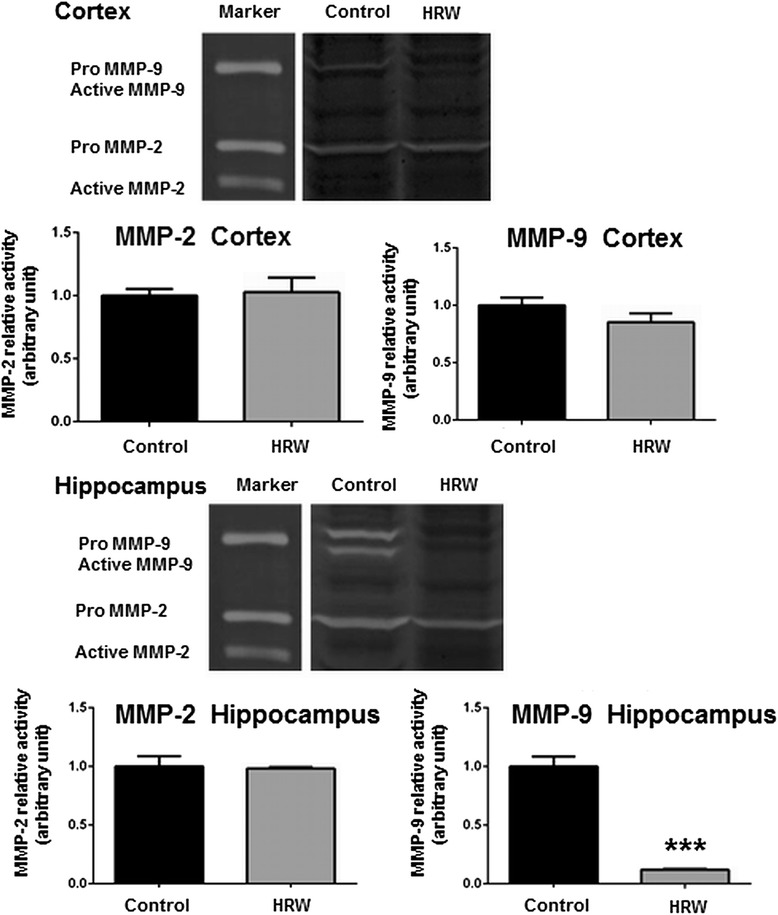
HRW treatment improved neurological function and tended to improve overall survival but without significant difference. The numbers of bleeds and infarcts were lower in the cortex and hippocampus in the HRW group. The HRW group exhibited a significantly lower number of 8-hydroxy-2'-deoxyguanosine-positive cells and vessels of extravasated albumin in the hippocampus compared with the control group. MMP-9 activity was reduced in the hippocampus in the HRW group compared with the control group.
The present study suggests that ingestion of HRW can improve neurological function outcome in the SHRSP model. This beneficial effect may be due to attenuation of BBB disruption via reduction in reactive oxygen species and suppression of MMP-9 activity in the hippocampus.
自发性高血压易中风大鼠(SHRSP)存在氧化应激增强的情况,这在血脑屏障(BBB)破坏中起重要作用。氢气可通过减轻各种疾病中的氧化应激发挥强大的细胞保护作用。本研究调查了长期氢气治疗是否能改善SHRSP模型中的神经功能结局,以及氢气对BBB功能的影响,特别是该模型中的氧化应激和基质金属蛋白酶(MMPs)活性。56只动物随机分为2组并进行如下处理:用富氢水(HRW)处理的SHRSP(HRW组,n = 28);用普通水处理的SHRSP(对照组,n = 28)。检测了HRW对总体生存率和神经功能的影响,以及HRW对活性氧、BBB功能和MMP活性的影响。
HRW治疗改善了神经功能,并倾向于提高总体生存率,但无显著差异。HRW组皮质和海马中的出血和梗死灶数量较少。与对照组相比,HRW组海马中8-羟基-2'-脱氧鸟苷阳性细胞和白蛋白外渗血管的数量显著减少。与对照组相比,HRW组海马中MMP-9活性降低。
本研究表明,摄入HRW可改善SHRSP模型中的神经功能结局。这种有益作用可能是由于通过减少活性氧和抑制海马中MMP-9活性减轻了BBB破坏。