Melnyk Ryan A, Youngblut Matthew D, Clark Iain C, Carlson Hans K, Wetmore Kelly M, Price Morgan N, Iavarone Anthony T, Deutschbauer Adam M, Arkin Adam P, Coates John D
Energy Biosciences Institute and Department of Plant and Microbial Biology, University of California, Berkeley, California, USA.
Physical Biosciences Division, Lawrence Berkeley National Laboratory, Berkeley, California, USA.
mBio. 2015 May 12;6(3):e00233-15. doi: 10.1128/mBio.00233-15.
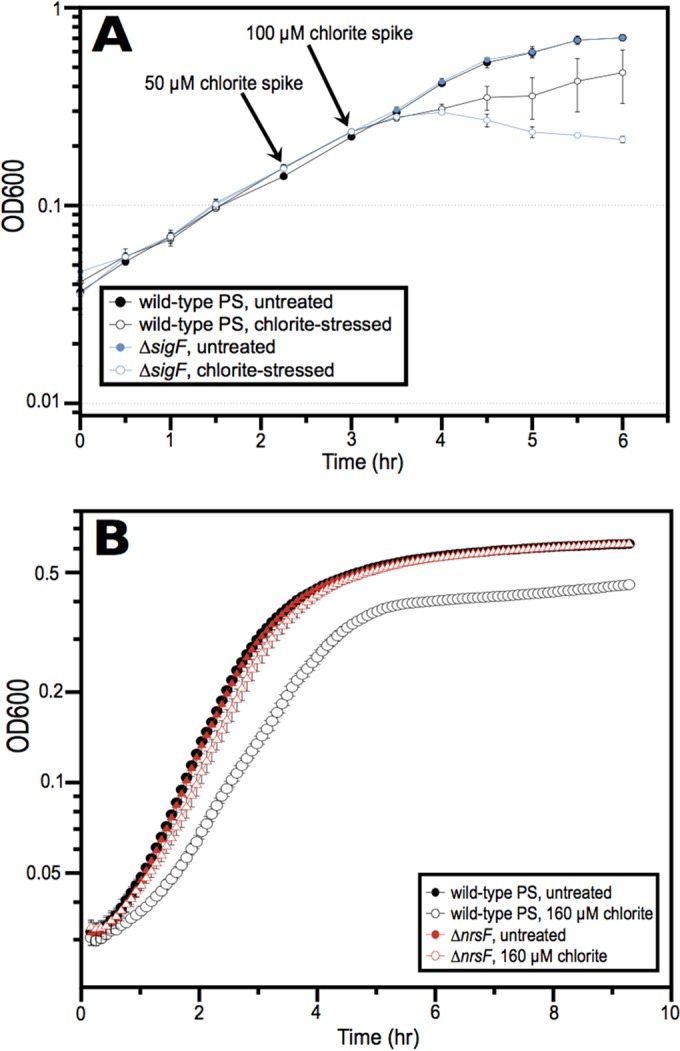
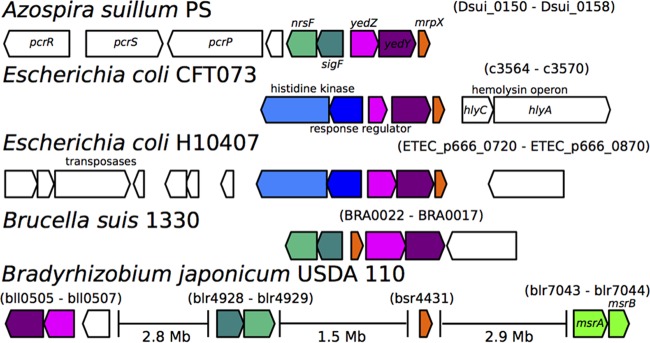
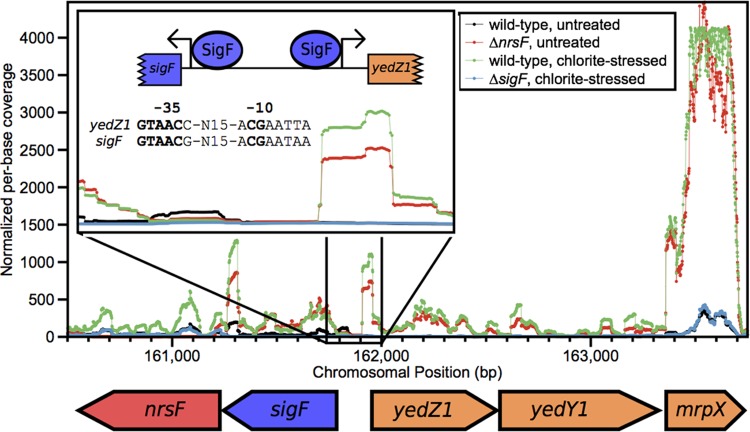
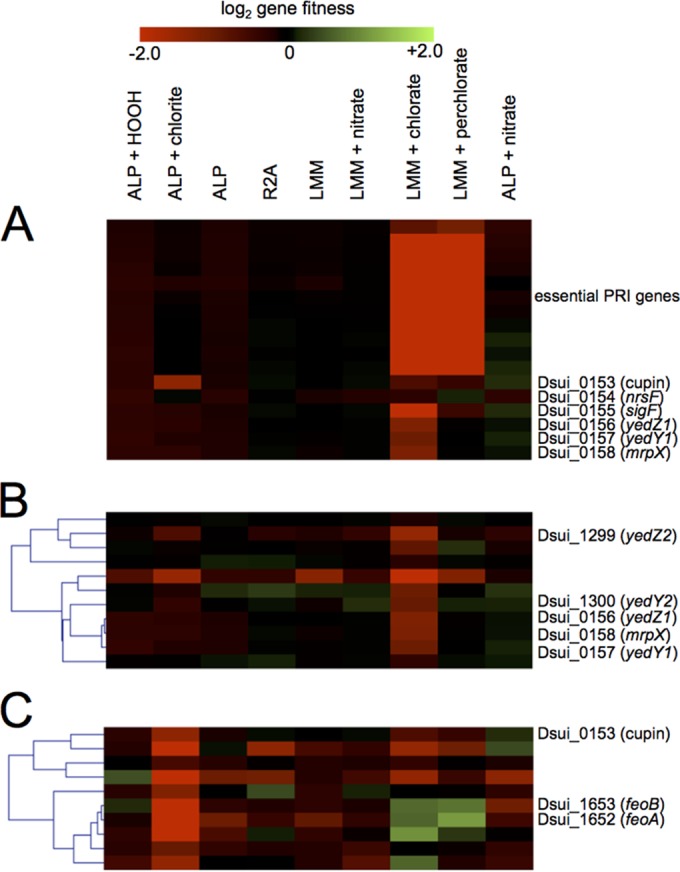
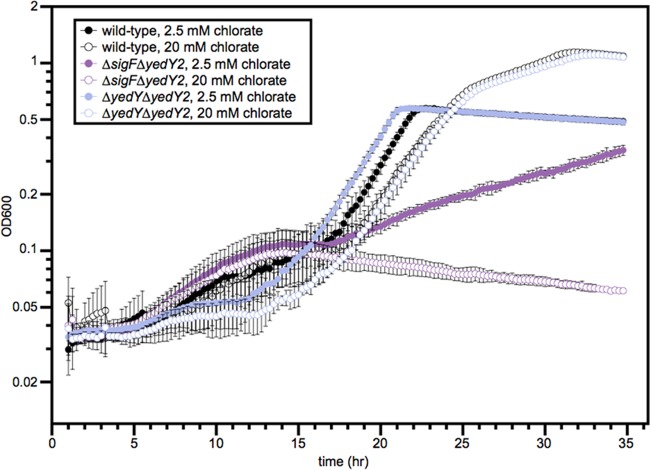
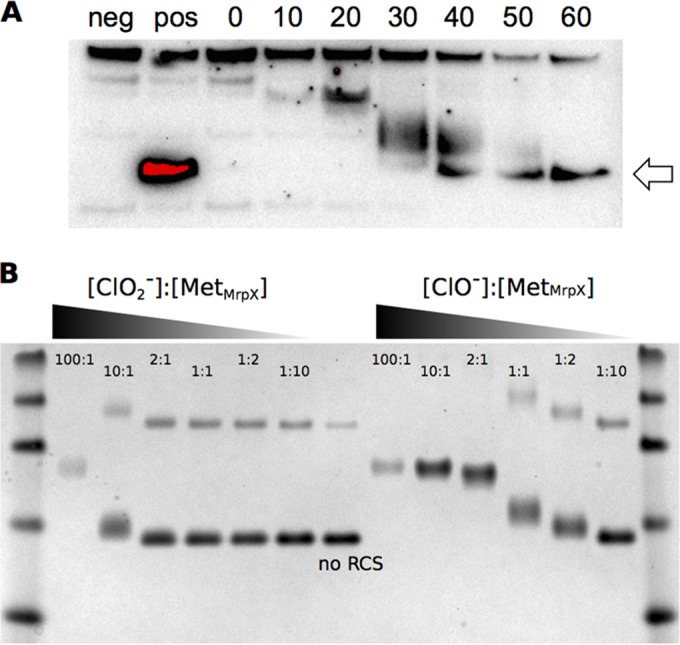
Reactive chlorine species (RCS) defense mechanisms are important for bacterial fitness in diverse environments. In addition to the anthropogenic use of RCS in the form of bleach, these compounds are also produced naturally through photochemical reactions of natural organic matter and in vivo by the mammalian immune system in response to invading microorganisms. To gain insight into bacterial RCS defense mechanisms, we investigated Azospira suillum strain PS, which produces periplasmic RCS as an intermediate of perchlorate respiration. Our studies identified an RCS response involving an RCS stress-sensing sigma/anti-sigma factor system (SigF/NrsF), a soluble hypochlorite-scavenging methionine-rich periplasmic protein (MrpX), and a putative periplasmic methionine sulfoxide reductase (YedY1). We investigated the underlying mechanism by phenotypic characterization of appropriate gene deletions, chemogenomic profiling of barcoded transposon pools, transcriptome sequencing, and biochemical assessment of methionine oxidation. Our results demonstrated that SigF was specifically activated by RCS and initiated the transcription of a small regulon centering around yedY1 and mrpX. A yedY1 paralog (yedY2) was found to have a similar fitness to yedY1 despite not being regulated by SigF. Markerless deletions of yedY2 confirmed its synergy with the SigF regulon. MrpX was strongly induced and rapidly oxidized by RCS, especially hypochlorite. Our results suggest a mechanism involving hypochlorite scavenging by sacrificial oxidation of the MrpX in the periplasm. Reduced MrpX is regenerated by the YedY methionine sulfoxide reductase activity. The phylogenomic distribution of this system revealed conservation in several Proteobacteria of clinical importance, including uropathogenic Escherichia coli and Brucella spp., implying a putative role in immune response evasion in vivo.
Bacteria are often stressed in the environment by reactive chlorine species (RCS) of either anthropogenic or natural origin, but little is known of the defense mechanisms they have evolved. Using a microorganism that generates RCS internally as part of its respiratory process allowed us to uncover a novel defense mechanism based on RCS scavenging by reductive reaction with a sacrificial methionine-rich peptide and redox recycling through a methionine sulfoxide reductase. This system is conserved in a broad diversity of organisms, including some of clinical importance, invoking a possible important role in innate immune system evasion.
活性氯物质(RCS)防御机制对于细菌在多种环境中的适应性很重要。除了人类以漂白剂形式使用RCS外,这些化合物还通过天然有机物的光化学反应以及哺乳动物免疫系统在体内对入侵微生物的反应而自然产生。为了深入了解细菌的RCS防御机制,我们研究了猪氮螺菌菌株PS,该菌株产生周质RCS作为高氯酸盐呼吸的中间体。我们的研究确定了一种RCS反应,涉及RCS应激感应西格玛/抗西格玛因子系统(SigF/NrsF)、一种可溶性的富含甲硫氨酸的周质次氯酸盐清除蛋白(MrpX)和一种假定的周质甲硫氨酸亚砜还原酶(YedY1)。我们通过适当基因缺失的表型特征分析、条形码转座子文库的化学基因组分析、转录组测序以及甲硫氨酸氧化的生化评估来研究其潜在机制。我们的结果表明,SigF被RCS特异性激活,并启动了以yedY1和mrpX为中心的一个小调控子的转录。尽管yedY1旁系同源物(yedY2)不受SigF调控,但发现它与yedY1具有相似的适应性。yedY2的无痕缺失证实了它与SigF调控子的协同作用。MrpX被RCS强烈诱导并迅速氧化,尤其是被次氯酸盐氧化。我们的结果表明了一种机制,即通过周质中MrpX的牺牲性氧化来清除次氯酸盐。还原后的MrpX通过YedY甲硫氨酸亚砜还原酶活性得以再生。该系统的系统发育分布显示在几种具有临床重要性的变形菌中具有保守性,包括尿路致病性大肠杆菌和布鲁氏菌属,这意味着它在体内逃避免疫反应中可能发挥作用。
细菌在环境中经常受到人为或天然来源的活性氯物质(RCS)的胁迫,但它们进化出的防御机制却鲜为人知。利用一种在其呼吸过程中内部产生RCS的微生物,使我们能够揭示一种基于与富含甲硫氨酸的牺牲性肽进行还原反应清除RCS以及通过甲硫氨酸亚砜还原酶进行氧化还原循环的新型防御机制。该系统在广泛的生物体中具有保守性,包括一些具有临床重要性的生物体,这表明它在逃避先天免疫系统方面可能发挥重要作用。