Dzamukova Maria R, Naumenko Ekaterina A, Lvov Yuri M, Fakhrullin Rawil F
Bionanotechnology Lab, Institute of Fundamental Medicine and Biology, Kazan Federal University, Kreml uramı 18, Kazan, Republic of Tatarstan, Russian Federation, 420008.
Institute for Micromanufacturing, Louisiana Tech University, 911 Hergot Ave., Ruston, LA, 71272, USA.
Sci Rep. 2015 May 15;5:10560. doi: 10.1038/srep10560.
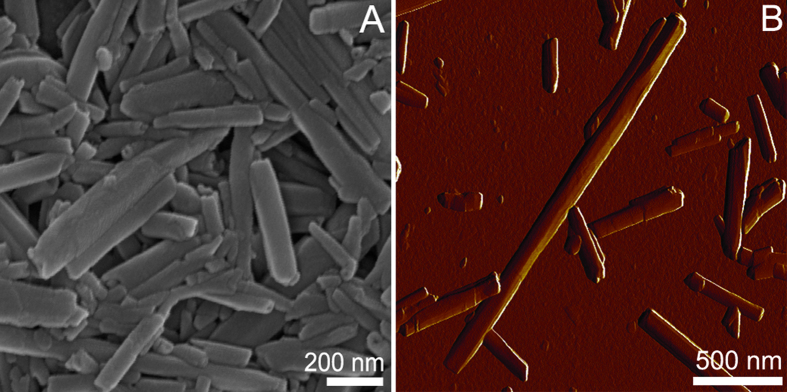
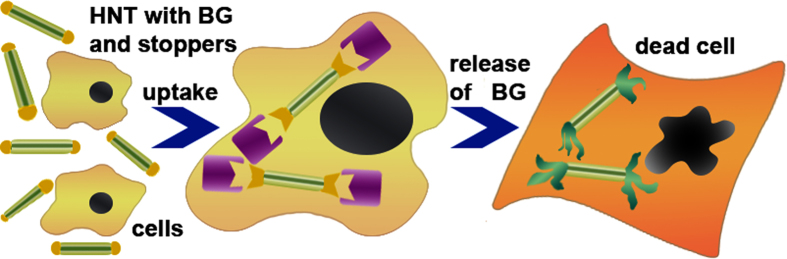
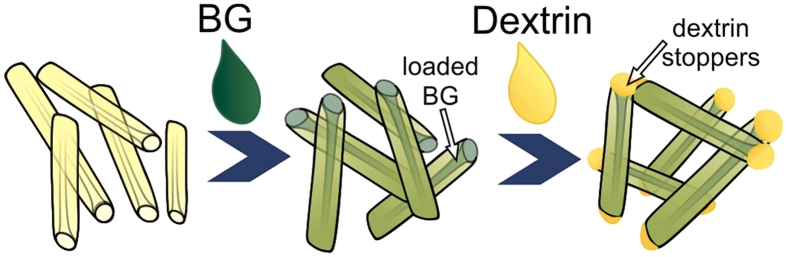
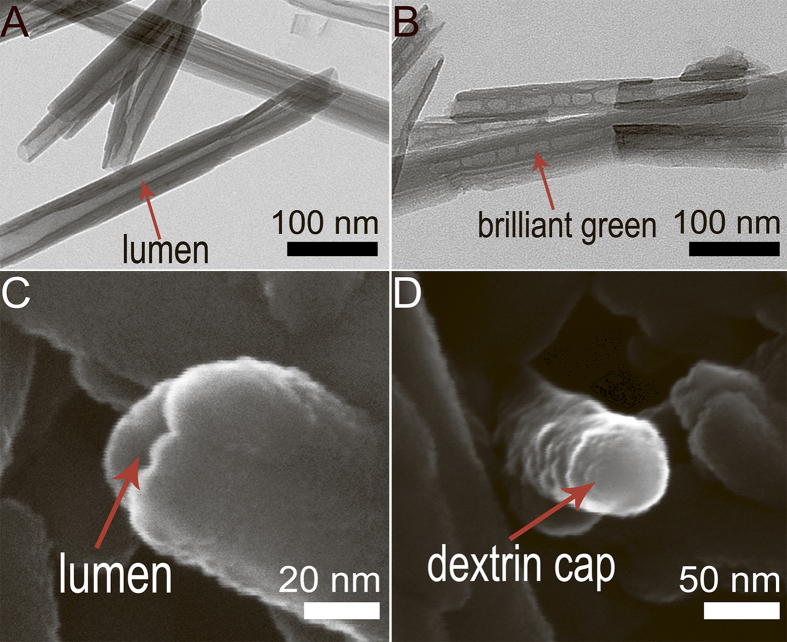
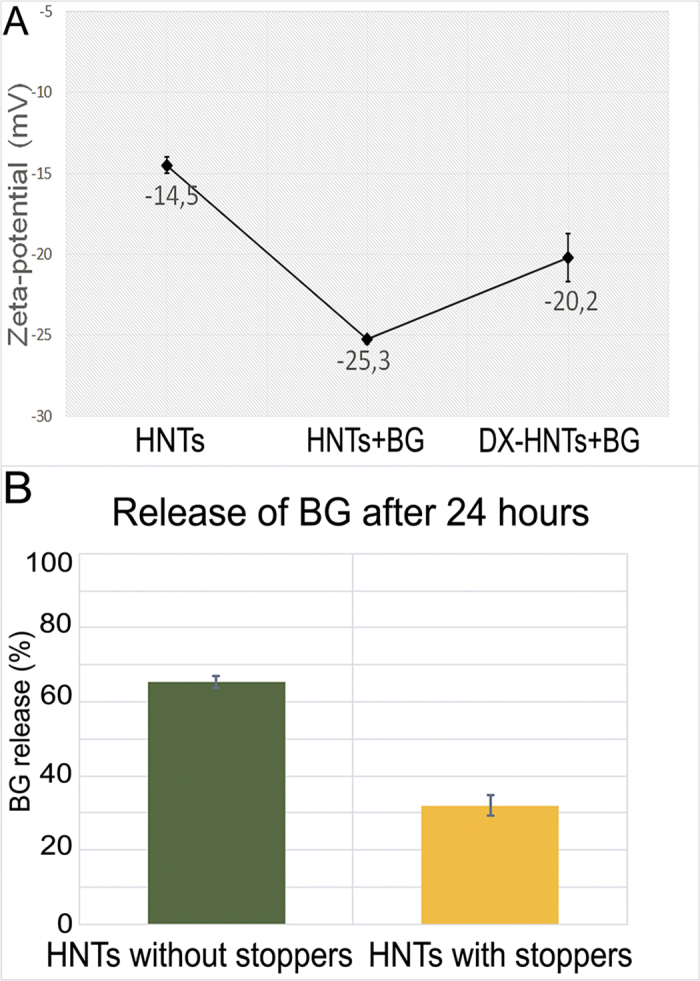
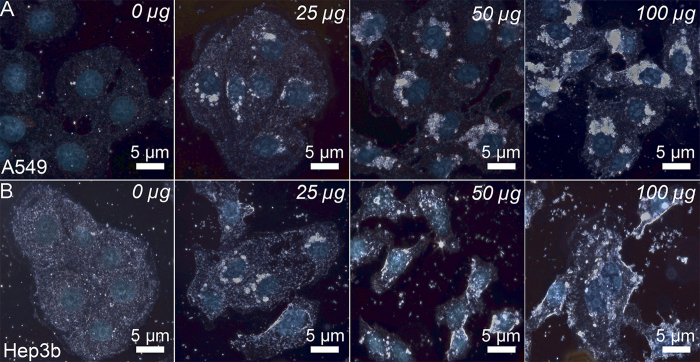
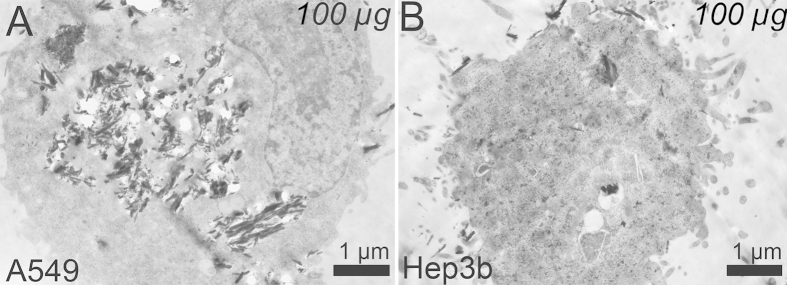
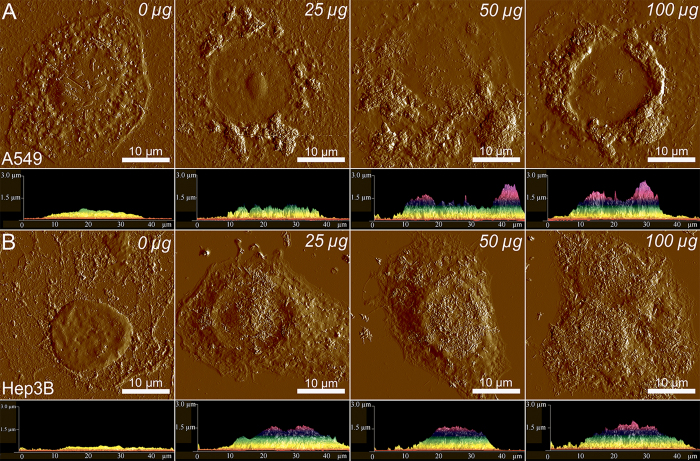
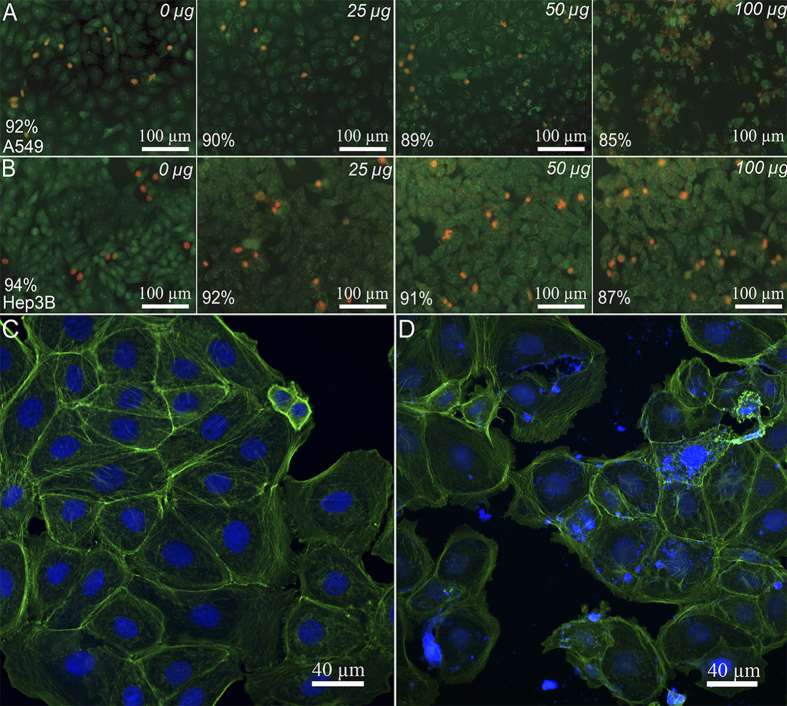
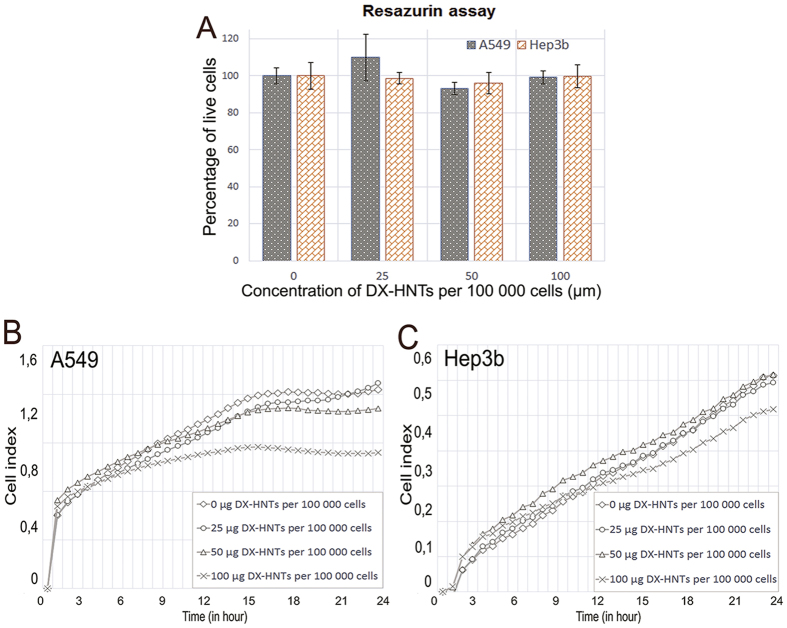
Fabrication of stimuli-triggered drug delivery vehicle s is an important milestone in treating cancer. Here we demonstrate the selective anticancer drug delivery into human cells with biocompatible 50-nm diameter halloysite nanotube carriers. Physically-adsorbed dextrin end stoppers secure the intercellular release of brilliant green. Drug-loaded nanotubes penetrate through the cellular membranes and their uptake efficiency depends on the cells growth rate. Intercellular glycosyl hydrolases-mediated decomposition of the dextrin tube-end stoppers triggers the release of the lumen-loaded brilliant green, which allowed for preferable elimination of human lung carcinoma cells (А549) as compared with hepatoma cells (Hep3b). The enzyme-activated intracellular delivery of brilliant green using dextrin-coated halloysite nanotubes is a promising platform for anticancer treatment.
刺激触发型药物递送载体的制备是癌症治疗中的一个重要里程碑。在此,我们展示了利用生物相容性的直径为50纳米的埃洛石纳米管载体将抗癌药物选择性递送至人类细胞。物理吸附的糊精端塞确保了亮绿在细胞间的释放。载药纳米管穿透细胞膜,其摄取效率取决于细胞生长速率。细胞间糖基水解酶介导的糊精管端塞分解触发了管腔内装载的亮绿的释放,与肝癌细胞(Hep3b)相比,这使得人肺癌细胞(A549)得到了更优的清除。利用糊精包被的埃洛石纳米管实现酶激活的亮绿细胞内递送是一个很有前景的抗癌治疗平台。