Wei Yao, Gong Jianfeng, Zhu Weiming, Guo Dong, Gu Lili, Li Ning, Li Jieshou
Institute of General Surgery, Jinling Hospital, Medical School of Nanjing University, #305 East Zhongshan Road, Nanjing, 210002, Jiangsu Province, China.
BMC Infect Dis. 2015 Jul 11;15:265. doi: 10.1186/s12879-015-0973-1.
Nosocomial Methicillin-resistant Staphylococcus aureus (MRSA) enteritis is rare but can be fatal unless it is detected at an early stage and treated effectively. Dysbiosis of the gut is one of the leading reasons of MRSA enteritis. Fecal microbiota transplantation (FMT) is a burgeoning treatment to rectify this imbalance. But the impact of FMT on MRSA enterocoitis is still unknown yet.
A total of 5 patients diagnosed as MRSA enteritis during the early postoperative period were given vancomycin 2 g/day for 3 days and FMT for three continuous days as a standard treatment.
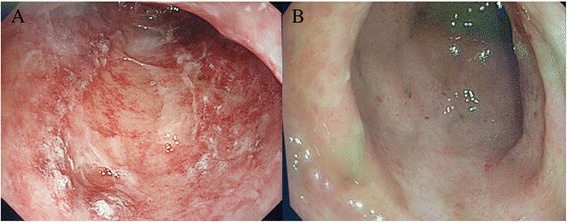
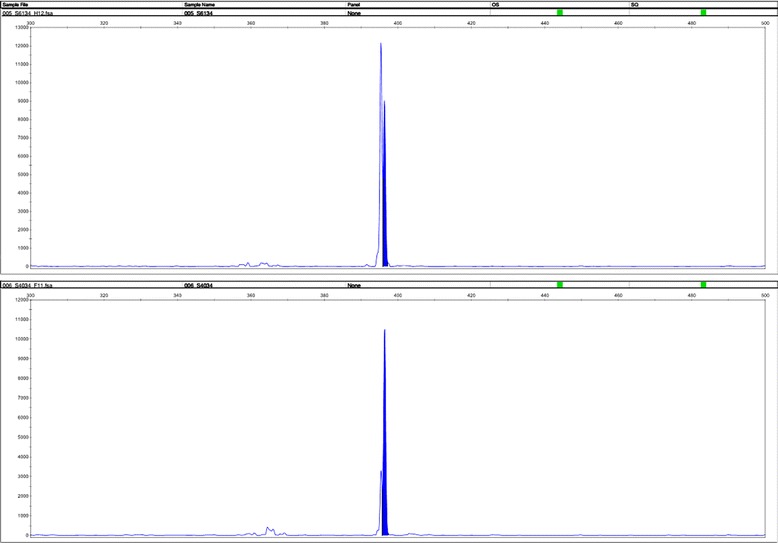
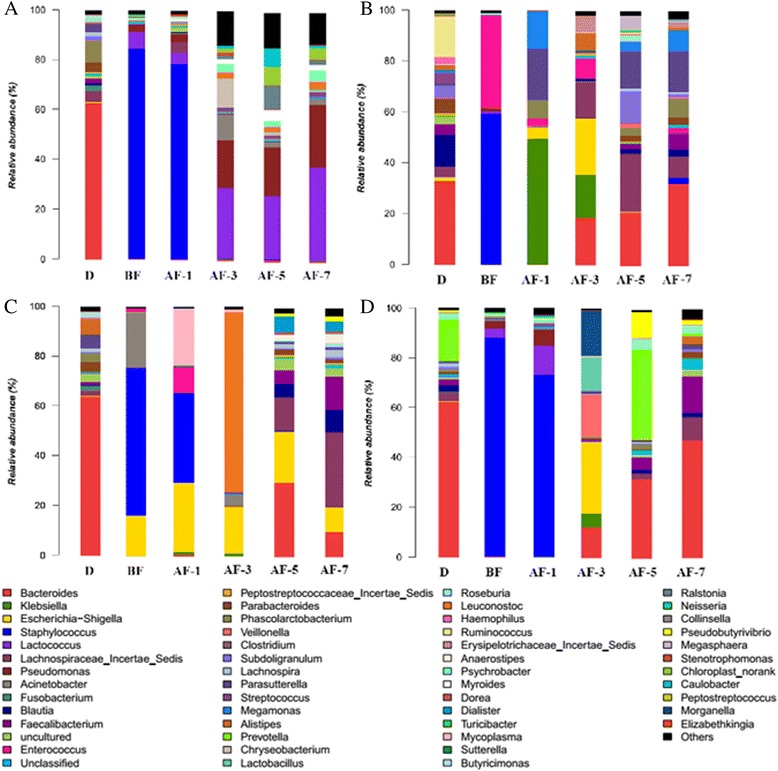
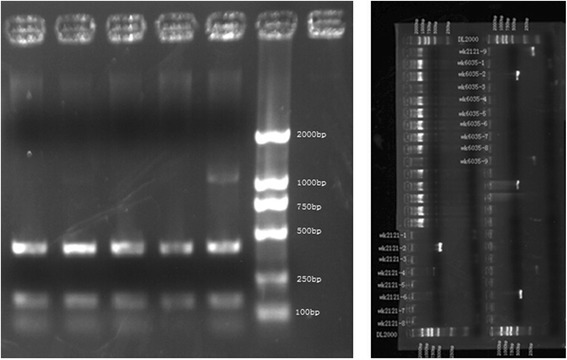
There was a 100% clinical response rate that all the symptoms resulting from MRSA enterocolitis disappeared and MRSA in the feces eliminated clearly. The microbiota profile in feces of the patients also regained balance.
FMT can be a preferential measure to restore the dysbiosis caused by MSRA enterocolitis.
医院获得性耐甲氧西林金黄色葡萄球菌(MRSA)肠炎较为罕见,但除非早期发现并有效治疗,否则可能致命。肠道菌群失调是MRSA肠炎的主要原因之一。粪便微生物群移植(FMT)是一种新兴的纠正这种失衡的治疗方法。但FMT对MRSA小肠结肠炎的影响仍不清楚。
共有5例在术后早期被诊断为MRSA肠炎的患者接受了标准治疗,即每天给予万古霉素2克,持续3天,并连续3天进行FMT。
临床有效率达100%,MRSA小肠结肠炎引起的所有症状均消失,粪便中的MRSA明显清除。患者粪便中的微生物群谱也恢复了平衡。
FMT可以作为恢复由MSRA小肠结肠炎引起的菌群失调的优先措施。