Giulietti A, Vignini A, Nanetti L, Mazzanti L, Di Primio R, Salvolini E
Department of Clinical Sciences, Faculty of Medicine, Università Politecnica delle Marche, Via Tronto 10/A, Ancona, Italy.
Curr Neuropharmacol. 2016;14(2):177-90. doi: 10.2174/1570159x13666150928155321.
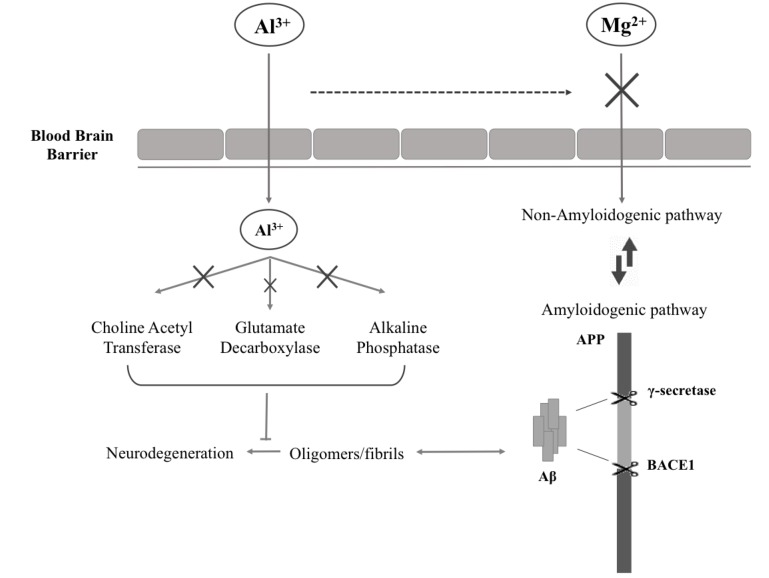
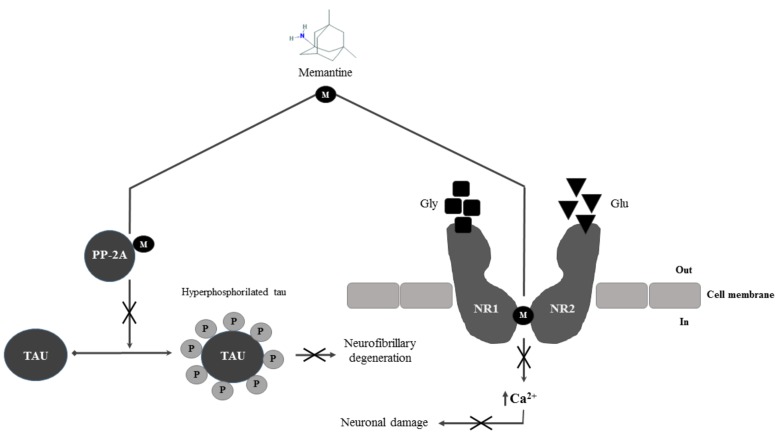
Alzheimer's disease (AD) is the most common neurodegenerative disease in the elderly population. Despite significant advancements in understanding the genetic and molecular basis of AD, the pathology still lacks treatments that can slow down or reverse the progression of cognitive deterioration. Recently, the relationship between nutrient deficiency and dementia onset has been highlighted. AD is in fact a multifactorial pathology, so that a multi-target approach using combinations of micronutrients and drugs could have beneficial effects on cognitive function in neurodegenerative brain disorders leading to synaptic degeneration. Primarily, this review examines the most recent literature regarding the effects of nutrition on the risk/progression of the disease, focusing attention mostly on antioxidants agents, polyunsaturated fatty acids and metals. Secondly, it aims to figure out if nutritional supplements might have beneficial effects on drug therapy outcome. Even if nutritional supplements showed contrasting evidence of a likely effect of decreasing the risk of AD onset that could be studied more deeply in other clinical trials, no convincing data are present about their usefulness in combination with drug therapies and their effectiveness in slowing down the disease progression.
阿尔茨海默病(AD)是老年人群中最常见的神经退行性疾病。尽管在理解AD的遗传和分子基础方面取得了重大进展,但该病理学仍然缺乏能够减缓或逆转认知衰退进展的治疗方法。最近,营养缺乏与痴呆症发病之间的关系受到了关注。事实上,AD是一种多因素病理学,因此使用微量营养素和药物组合的多靶点方法可能对导致突触退化的神经退行性脑疾病的认知功能产生有益影响。首先,本综述研究了关于营养对该疾病风险/进展影响的最新文献,主要关注抗氧化剂、多不饱和脂肪酸和金属。其次,其旨在弄清楚营养补充剂是否可能对药物治疗结果产生有益影响。即使营养补充剂显示出关于降低AD发病风险可能效果的相互矛盾的证据,这在其他临床试验中可能需要更深入研究,但目前尚无令人信服的数据表明它们与药物疗法联合使用的有效性以及减缓疾病进展的效果。