Hashimoto Hideki, Hatakeyama Shuji, Yotsuyanagi Hiroshi
Department of Infectious Diseases, The University of Tokyo Hospital, 7-3-1 Hongo, Bunkyo-ku, Tokyo, 113-8655 Japan.
Department of Infectious Diseases, The University of Tokyo Hospital, 7-3-1 Hongo, Bunkyo-ku, Tokyo, 113-8655 Japan ; Division of General Internal Medicine/Division of Infectious Diseases, Jichi Medical University Hospital, 3311-1 Yakushiji, Shimotsuke-shi, Tochigi, 329-0498 Japan.
AIDS Res Ther. 2015 Sep 30;12:33. doi: 10.1186/s12981-015-0075-6. eCollection 2015.
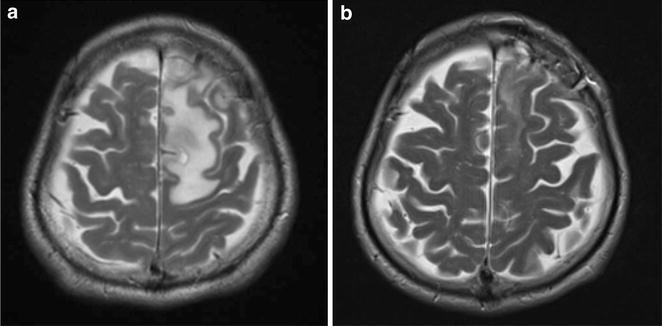
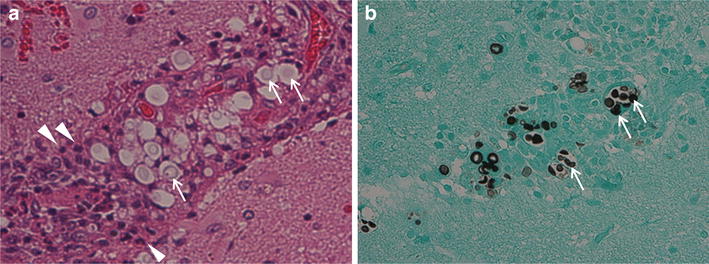
Cryptococcal meningitis is one of the most lethal fungal infections in patients with acquired immune deficiency syndrome (AIDS). The incidence of and mortality from cryptococcal meningitis have markedly decreased since the introduction of combination antiretroviral therapy (cART). However, despite its benefits, the initiation of cART results in immune reconstitution inflammatory syndrome (IRIS) in some patients. Although IRIS is occasionally difficult to distinguish from relapse or treatment failure, the distinction is important because IRIS requires a different treatment. Here, we present the case of a patient with AIDS who developed symptoms of cryptococcal IRIS 41 months after starting cART. To the best of our knowledge, the time between cART initiation and the onset of cryptococcal IRIS in this patient is the longest that has been reported in the literature.
隐球菌性脑膜炎是获得性免疫缺陷综合征(AIDS)患者中最致命的真菌感染之一。自从联合抗逆转录病毒疗法(cART)引入以来,隐球菌性脑膜炎的发病率和死亡率已显著下降。然而,尽管cART有诸多益处,但在一些患者中,开始使用cART会导致免疫重建炎症综合征(IRIS)。虽然IRIS有时难以与复发或治疗失败相区分,但这种区分很重要,因为IRIS需要不同的治疗方法。在此,我们报告一例AIDS患者,该患者在开始cART 41个月后出现了隐球菌性IRIS症状。据我们所知,该患者从开始cART到出现隐球菌性IRIS的时间是文献中报道的最长时间。