Wali Adil F, Avula Bharathi, Ali Zulfiqar, Khan Ikhlas A, Mushtaq Ahlam, Rehman Muneeb U, Akbar Seema, Masoodi Mubashir Hussain
Department of Pharmaceutical Sciences, University of Kashmir, Srinagar, Jammu and Kashmir 190006, India.
National Center for Natural Products Research, Research Institute of Pharmaceutical Sciences, The University of Mississippi, University, MS 38677, USA.
Biomed Res Int. 2015;2015:393462. doi: 10.1155/2015/393462. Epub 2015 Oct 11.
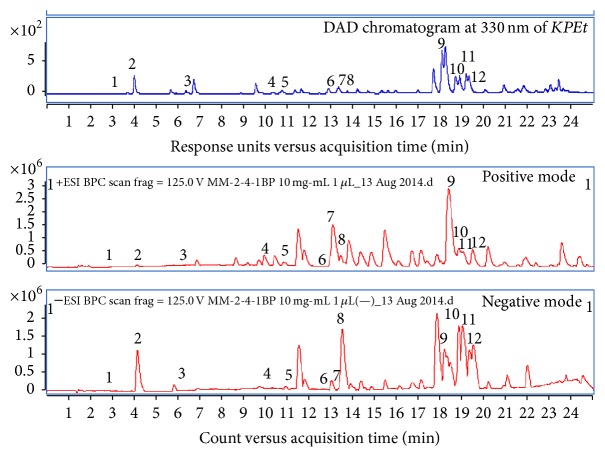
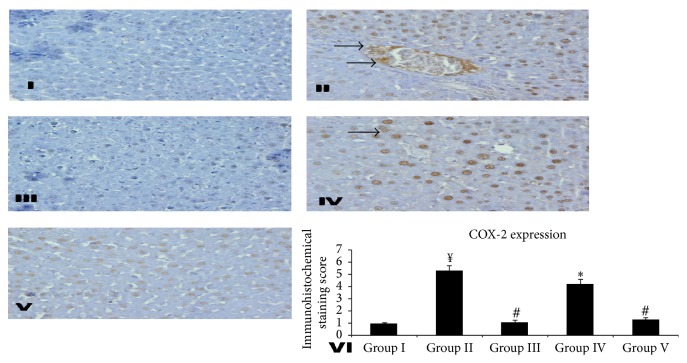
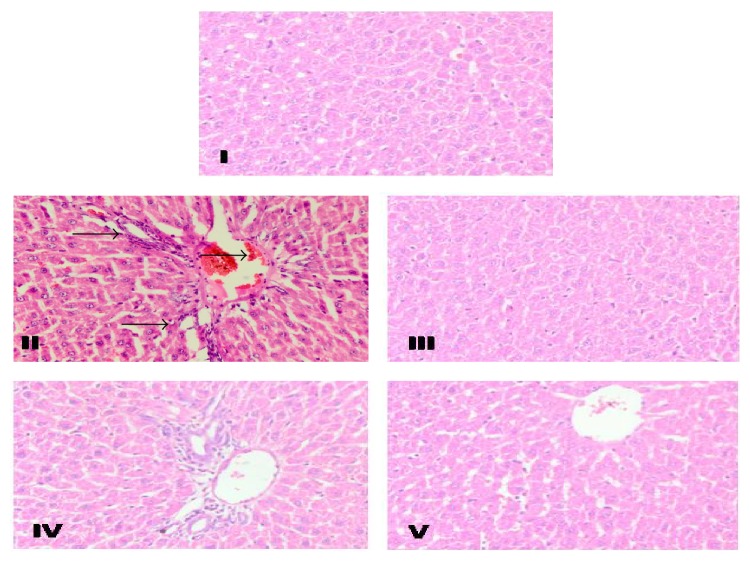
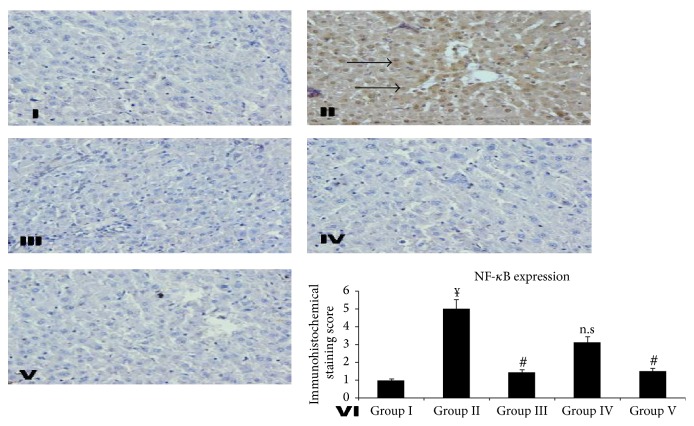
The aim of this study was to examine hepatoprotective effect of ethanolic extract of propolis (KPEt) from Kashmir Himalaya against isoniazid and rifampicin (INH-RIF) induced liver damage in rats. Hepatic cellular injury was initiated by administration of INH-RIF combination (100 mg/kg) intraperitoneal (i.p.) injection for 14 days. We report the protective effects of KPEt against INH-RIF induced liver oxidative stress, inflammation, and enzymatic and nonenzymatic antioxidants. Oral administration of KPEt at both doses (200 and 400 mg/kg body weight) distinctly restricted all modulating oxidative liver injury markers and resulted in the attenuation of INH-RIF arbitrated damage. The free radical scavenging activity of KPEt was evaluated by DPPH, nitric oxide, and superoxide radical scavenging assay. The components present in KPEt identified by ultra high performance liquid chromatography diode array detector time of flight-mass spectroscopy (UHPLC-DAD-QToF-MS) were found to be flavonoids and phenolic acids. The protective efficacy of KPEt is possibly because of free radical scavenging and antioxidant property resulting from the presence of flavonoids and phenolic acids.
本研究旨在考察克什米尔喜马拉雅地区蜂胶乙醇提取物(KPEt)对异烟肼和利福平(INH-RIF)诱导的大鼠肝损伤的保肝作用。通过腹腔注射(i.p.)INH-RIF组合(100 mg/kg)14天引发肝细胞损伤。我们报告了KPEt对INH-RIF诱导的肝脏氧化应激、炎症以及酶促和非酶促抗氧化剂的保护作用。以两种剂量(200和400 mg/kg体重)口服KPEt均明显限制了所有调节肝脏氧化损伤的标志物,并减轻了INH-RIF介导的损伤。通过DPPH、一氧化氮和超氧自由基清除试验评估了KPEt的自由基清除活性。通过超高效液相色谱二极管阵列检测器飞行时间质谱(UHPLC-DAD-QToF-MS)鉴定出KPEt中存在的成分是黄酮类化合物和酚酸。KPEt的保护功效可能归因于黄酮类化合物和酚酸的存在所产生的自由基清除和抗氧化特性。