Manivasagan Panchanathan, Oh Junghwan
Marine-Integrated Bionics Research Center, Pukyong National University, Busan 608-737, Korea.
Department of Biomedical Engineering and Center for Marine-Integrated Biotechnology (BK21 Plus), Pukyong National University, Busan 608-737, Korea.
Mar Drugs. 2015 Nov 12;13(11):6818-37. doi: 10.3390/md13116818.
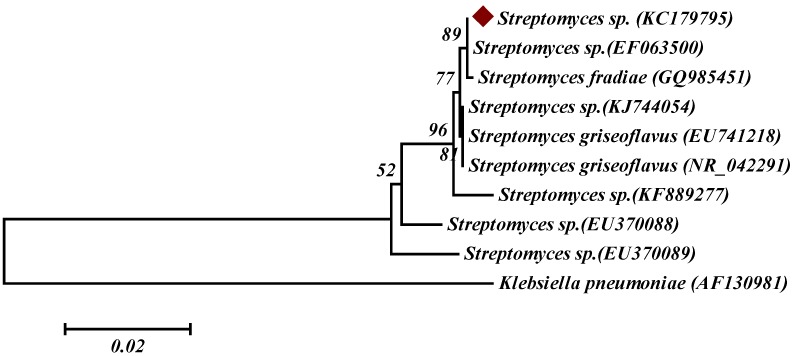
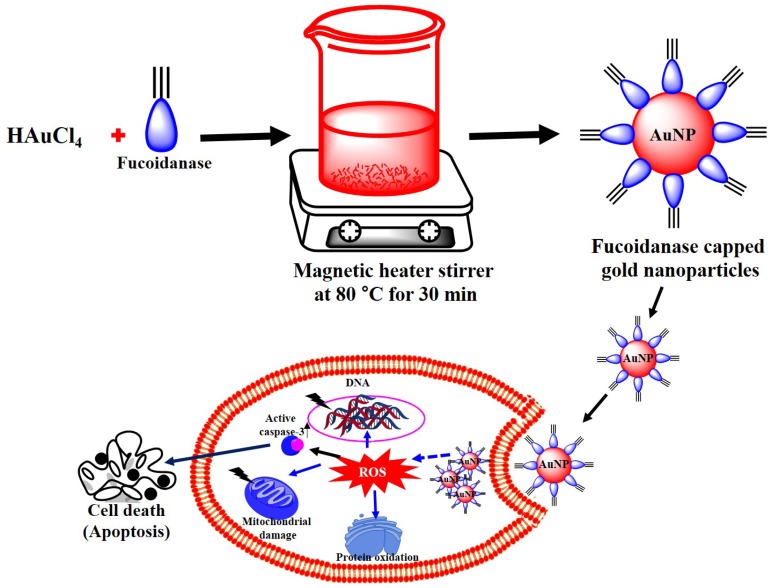
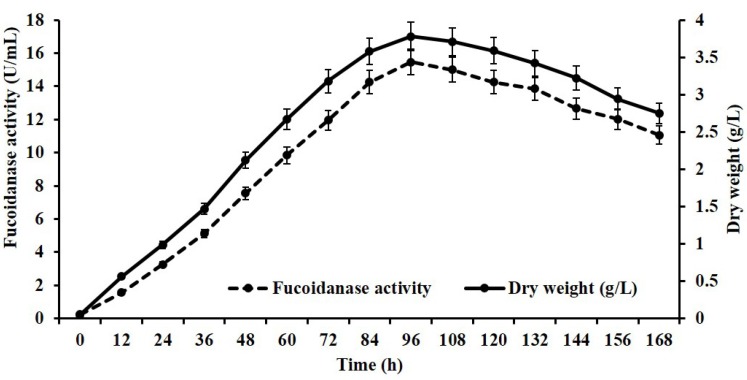
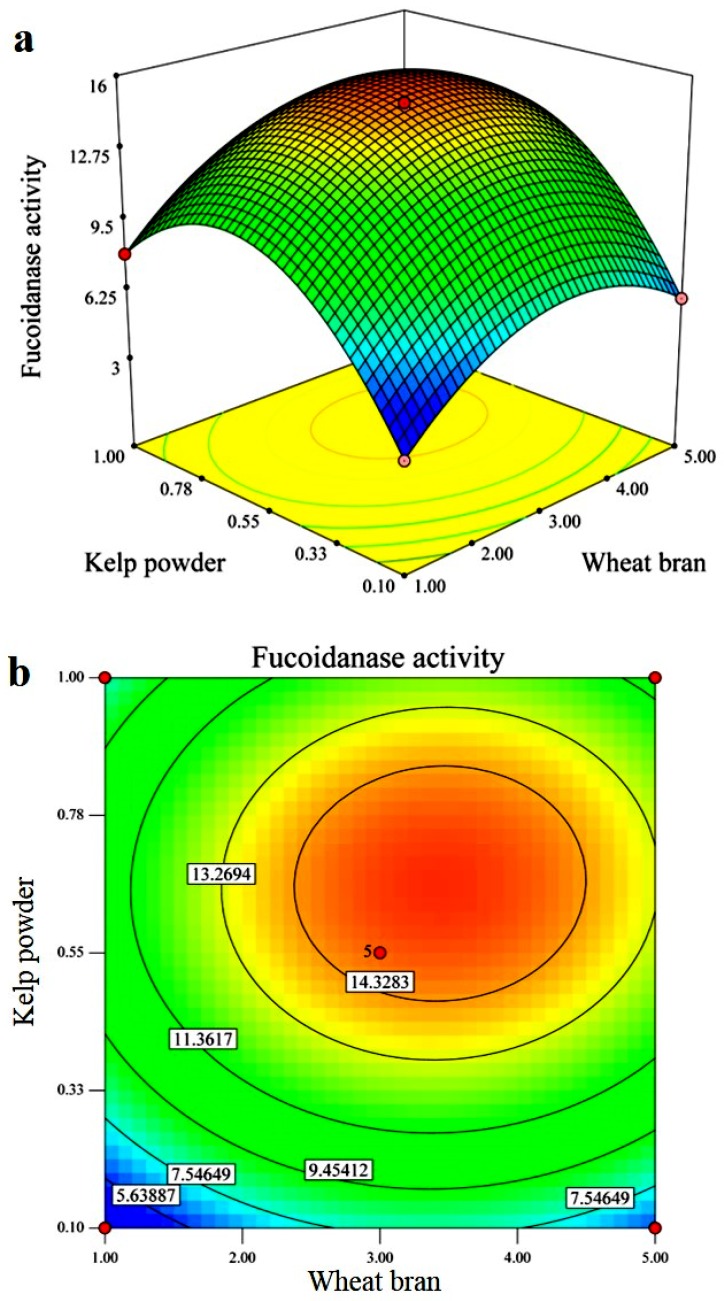
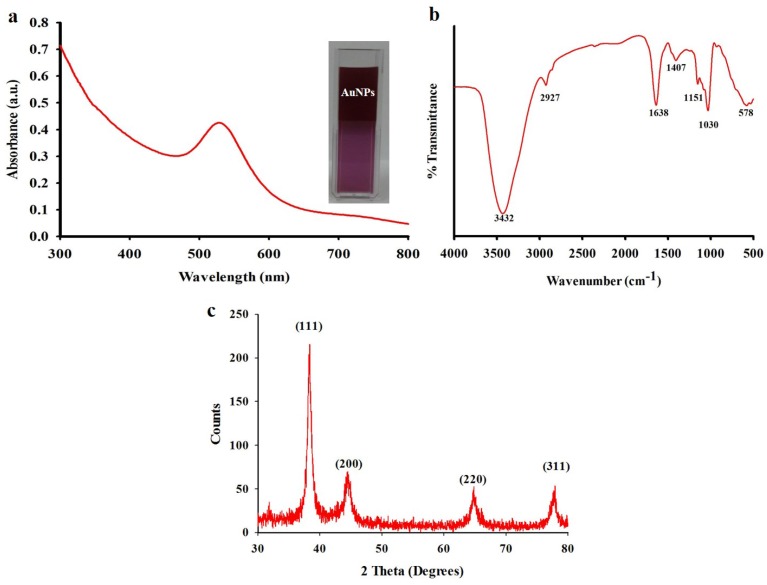
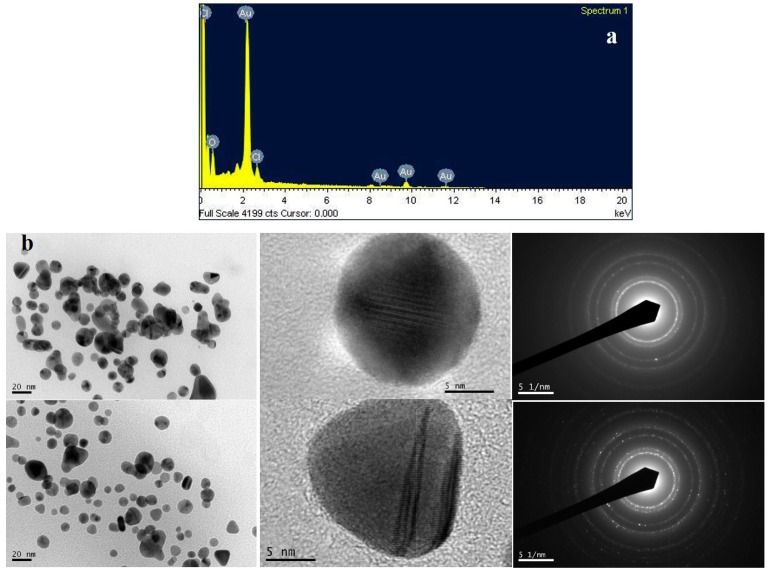
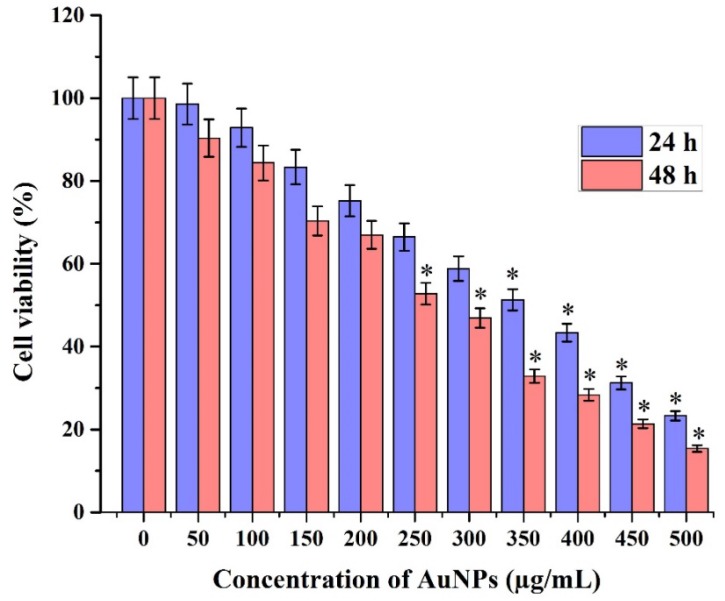
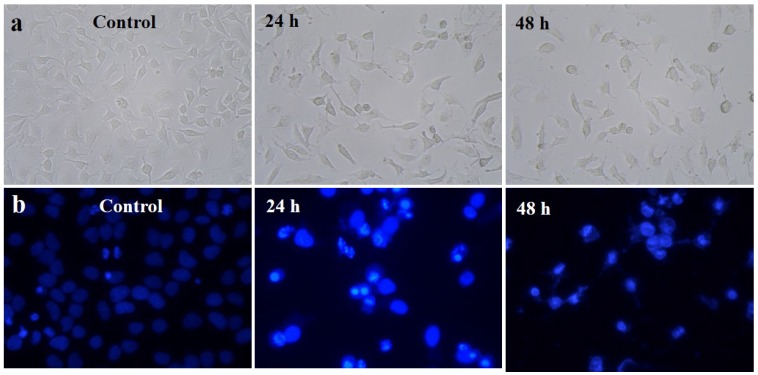
Marine actinobacteria-produced fucoidanases have received considerable attention as one of the major research topics in recent years, particularly for the medical exploitation of fucoidans and their degradation products. The present study describes the optimization and production of a novel fucoidanase for the green synthesis of gold nanoparticles and its biological applications. The production of fucoidanase was optimized using Streptomyces sp. The medium components were selected in accordance with the Plackett-Burman design and were further optimized via response surface methodology. The fucoidanase was statistically optimized with the most significant factors, namely wheat bran 3.3441 g/L, kelp powder 0.7041 g/L, and NaCl 0.8807 g/L, respectively. The biosynthesized gold nanoparticles were determined by UV-vis spectroscopy and were further characterized by X-ray diffraction analysis, Fourier transform infrared spectroscopy, field emission scanning electron microscopy, energy dispersive X-ray analysis, and high-resolution transmission electron microscopy. Furthermore, the biosynthesized gold nanoparticles exhibited a dose-dependent cytotoxicity against HeLa cells and the inhibitory concentration (IC50) was found to be 350 µg/mL at 24 h and 250 µg/mL at 48 h. Therefore, the production of novel fucoidanase for the green synthesis of gold nanoparticles has comparatively rapid, less expensive and wide application to anticancer therapy in modern medicine.
近年来,海洋放线菌产生的岩藻聚糖酶作为主要研究课题之一受到了广泛关注,特别是在岩藻聚糖及其降解产物的医学应用方面。本研究描述了一种用于绿色合成金纳米颗粒的新型岩藻聚糖酶的优化生产及其生物学应用。使用链霉菌对岩藻聚糖酶的生产进行了优化。根据Plackett-Burman设计选择培养基成分,并通过响应面法进一步优化。通过统计学方法对岩藻聚糖酶进行了优化,确定了最显著的因素,分别为麦麸3.3441 g/L、海带粉0.7041 g/L和氯化钠0.8807 g/L。通过紫外可见光谱法对生物合成的金纳米颗粒进行了测定,并通过X射线衍射分析、傅里叶变换红外光谱、场发射扫描电子显微镜、能量色散X射线分析和高分辨率透射电子显微镜对其进行了进一步表征。此外,生物合成的金纳米颗粒对HeLa细胞表现出剂量依赖性细胞毒性,在24小时时抑制浓度(IC50)为350 µg/mL,在48小时时为250 µg/mL。因此,用于绿色合成金纳米颗粒的新型岩藻聚糖酶的生产在现代医学的抗癌治疗中具有相对快速、成本较低且应用广泛的特点。