Hogg Simon J, Chitcholtan Kenny, Hassan Wafaa, Sykes Peter H, Garrill Ashley
Peter MacCallum Cancer Centre, St Andrews Place, East Melbourne, Melbourne, VIC 3002, Australia.
Department of Obstetrics and Gynaecology, University of Otago, Christchurch, 2 Riccarton Avenue, Christchurch 8011, New Zealand.
Obstet Gynecol Int. 2015;2015:279591. doi: 10.1155/2015/279591. Epub 2015 Nov 5.
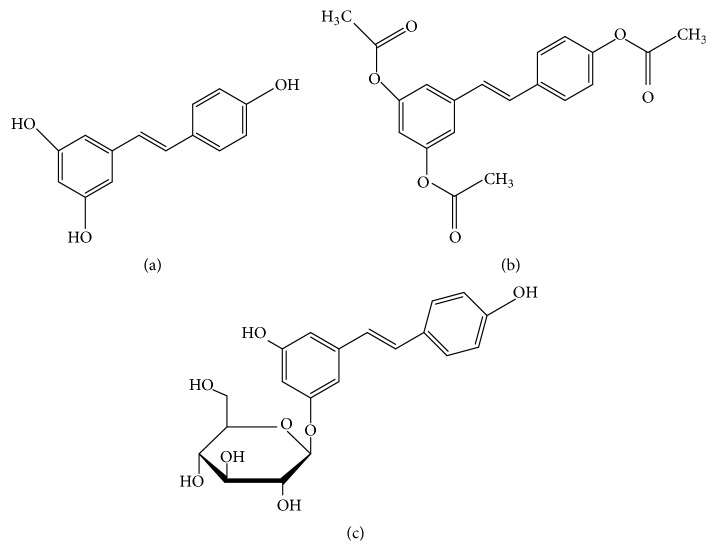
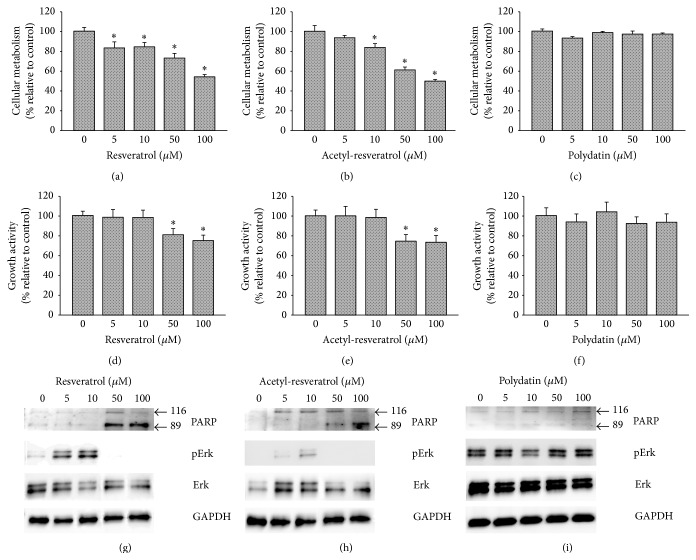
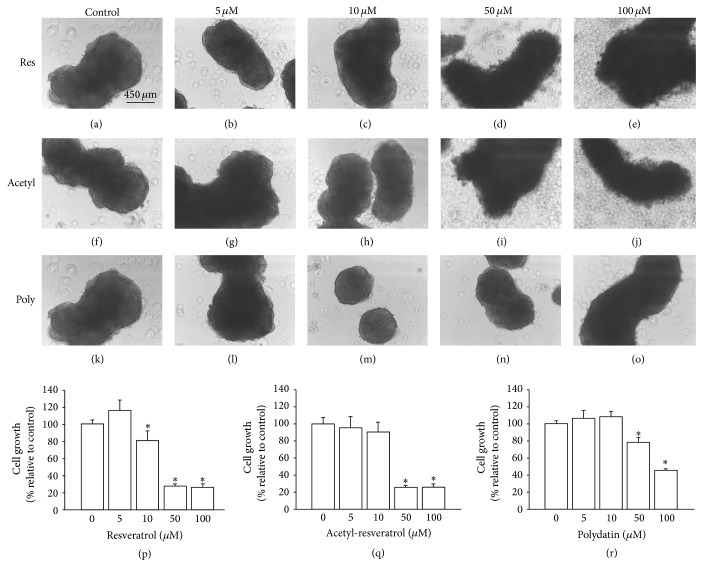
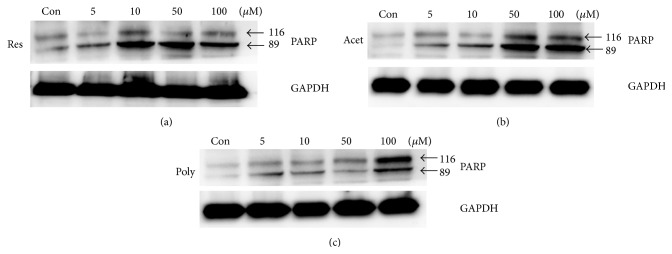
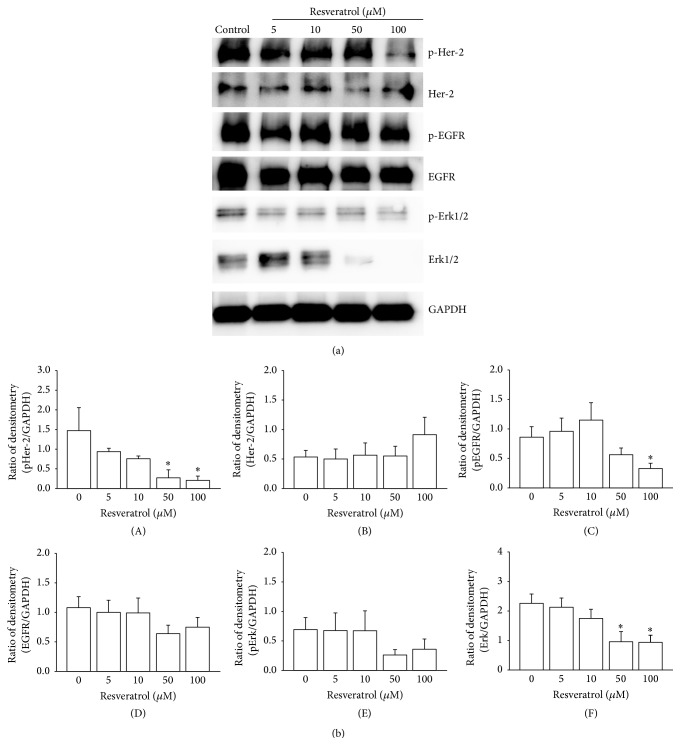
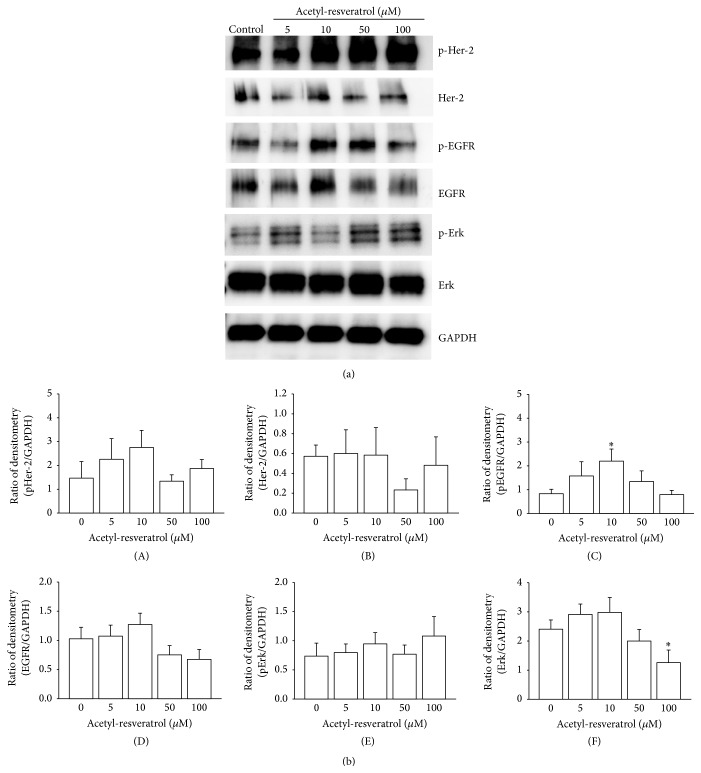
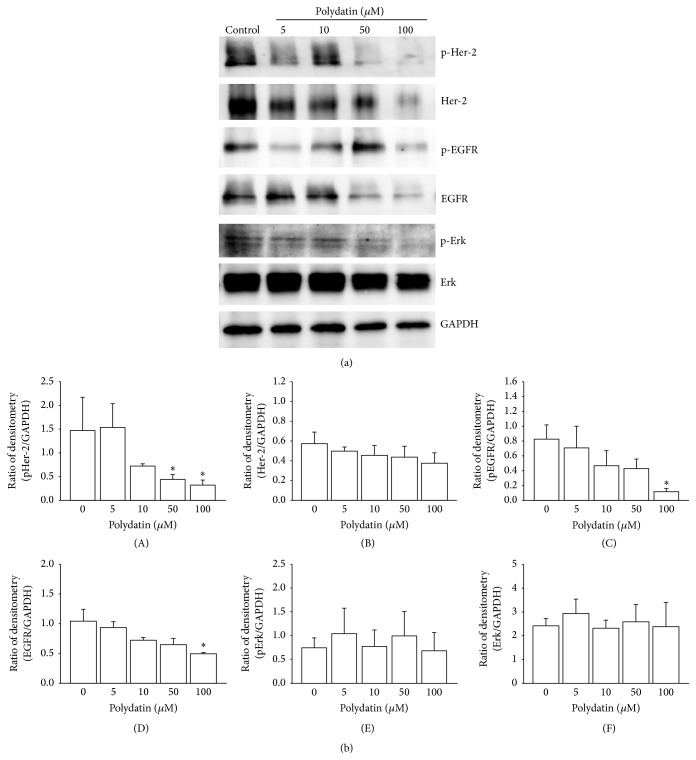
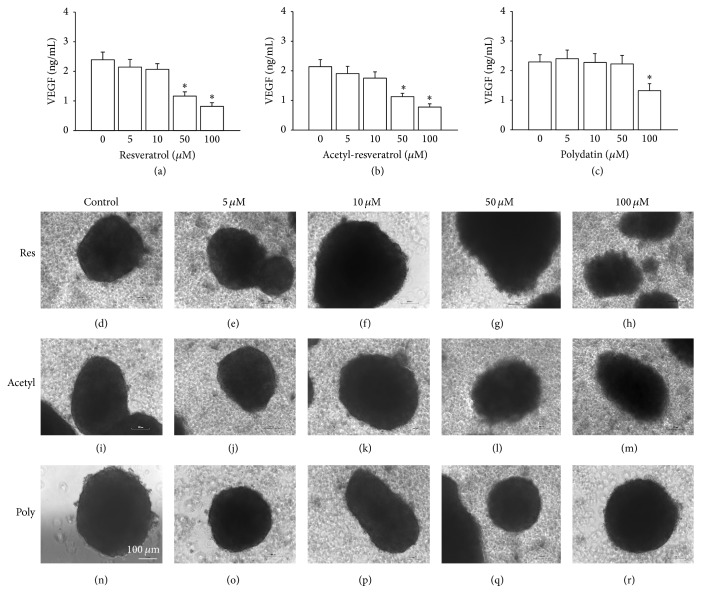
Resveratrol has aroused significant scientific interest as it has been claimed that it exhibits a spectrum of health benefits. These include effects as an anti-inflammatory and an antitumour compound. The purpose of this study was to investigate and compare any potential antigrowth effects of resveratrol and two of its derivatives, acetyl-resveratrol and polydatin, on 3D cell aggregates of the EGFR/Her-2 positive and negative ovarian cancer cell lines SKOV-3 and OVCAR-8, respectively. Results showed that resveratrol and acetyl-resveratrol reduced cell growth in the SKOV-3 and OVCAR-8 in a dose-dependant manner. The growth reduction was mediated by the induction of apoptosis via the cleavage of poly(ADP-ribose) polymerase (PARP-1). At lower concentrations, 5 and 10 µM, resveratrol, acetyl-resveratrol, and polydatin were less effective than higher concentrations, 50 and 100 µM. In SKOV-3 line, at higher concentrations, resveratrol and polydatin significantly reduced the phosphorylation of Her-2 and EGFR and the expression of Erk. Acetyl-resveratrol, on the other hand, did not change the activation of Her-2 and EGFR. Resveratrol, acetyl-resveratrol, and polydatin suppressed the secretion of VEGF in a dose-dependant fashion. In the OVCAR-8 cell line, resveratrol and acetyl-resveratrol at 5 and 10 µM increased the activation of Erk. Above these concentrations they decreased activation. Polydatin did not produce this effect. This study demonstrates that resveratrol and its derivatives may inhibit growth of 3D cell aggregates of ovarian cancer cell lines via different signalling molecules. Resveratrol and its derivatives, therefore, warrant further in vivo evaluation to assess their potential clinical utility.
白藜芦醇引起了科学界的极大兴趣,因为据称它具有一系列健康益处。这些益处包括作为抗炎和抗肿瘤化合物的作用。本研究的目的是调查和比较白藜芦醇及其两种衍生物乙酰白藜芦醇和虎杖苷对表皮生长因子受体(EGFR)/人表皮生长因子受体2(Her-2)阳性和阴性卵巢癌细胞系SKOV-3和OVCAR-8的三维细胞聚集体的任何潜在抗生长作用。结果表明,白藜芦醇和乙酰白藜芦醇以剂量依赖的方式降低了SKOV-3和OVCAR-8中的细胞生长。生长抑制是通过多聚(ADP-核糖)聚合酶(PARP-1)的裂解诱导凋亡介导的。在较低浓度(5和10μM)下,白藜芦醇、乙酰白藜芦醇和虎杖苷的效果不如较高浓度(50和100μM)。在SKOV-3细胞系中,在较高浓度下,白藜芦醇和虎杖苷显著降低了Her-2和EGFR的磷酸化以及细胞外信号调节激酶(Erk)的表达。另一方面,乙酰白藜芦醇并未改变Her-2和EGFR的激活。白藜芦醇、乙酰白藜芦醇和虎杖苷以剂量依赖方式抑制血管内皮生长因子(VEGF)的分泌。在OVCAR-8细胞系中,5和10μM的白藜芦醇和乙酰白藜芦醇增加了Erk的激活。高于这些浓度时,它们降低了激活。虎杖苷没有产生这种效果。本研究表明,白藜芦醇及其衍生物可能通过不同的信号分子抑制卵巢癌细胞系三维细胞聚集体的生长。因此,白藜芦醇及其衍生物值得进一步进行体内评估,以评估它们的潜在临床效用。