Chaikin Laurie, Kashiwa Kellen, Bennet Michael, Papastergiou George, Gregory Walter
Private practice, Alameda, CA, USA.
Retina Institute of Hawaii, Honolulu, HI, USA.
Clin Ophthalmol. 2015 Dec 17;9:2345-53. doi: 10.2147/OPTH.S92296. eCollection 2015.
To determine the safety and efficacy of the application of transcutaneous (transpalpebral) microcurrent stimulation to slow progression of dry and wet macular degeneration or improve vision in dry and wet macular degeneration.
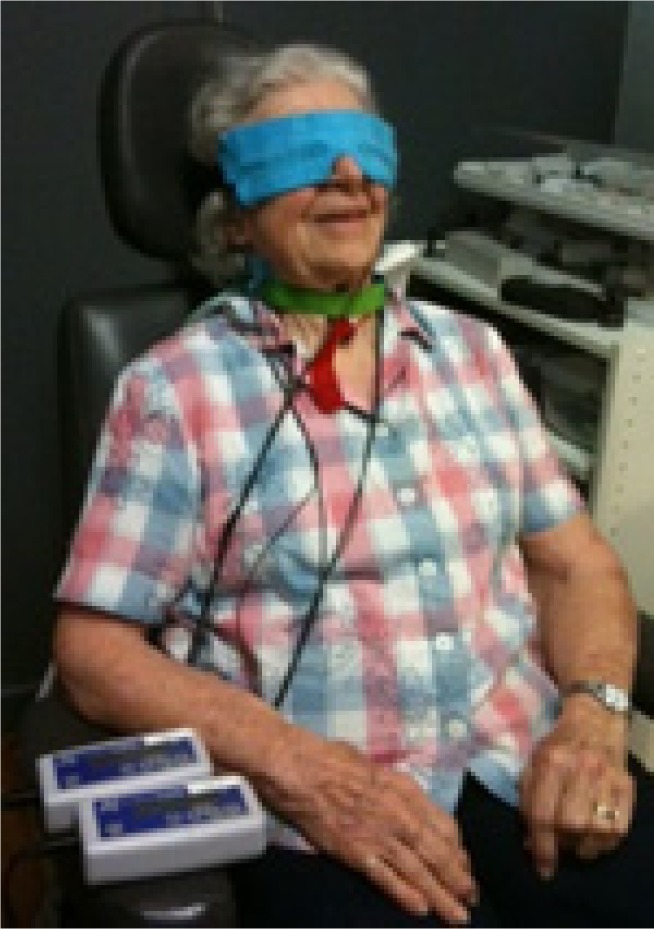
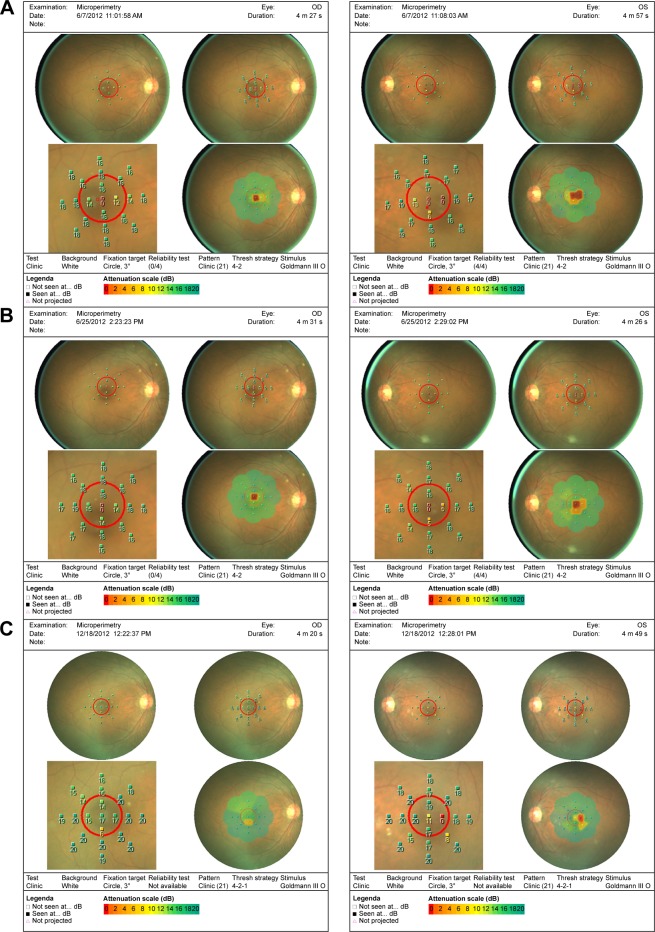
Seventeen patients aged between 67 and 95 years with an average age of 83 years were selected to participate in the study over a period of 3 months in two eye care centers. There were 25 eyes with dry age-related macular degeneration (DAMD) and six eyes with wet age-related macular degeneration (WAMD). Frequency-specific microcurrent stimulation was applied in a transpalpebral manner, using two programmable dual channel microcurrent units delivering pulsed microcurrent at 150 µA for 35 minutes once a week. The frequency pairs selected were based on targeting tissues, which are typically affected by the disease combined with frequencies that target disease processes. Early Treatment Diabetic Retinopathy Study or Snellen visual acuity (VA) was measured before and after each treatment session. All treatment was administered in a clinical setting.
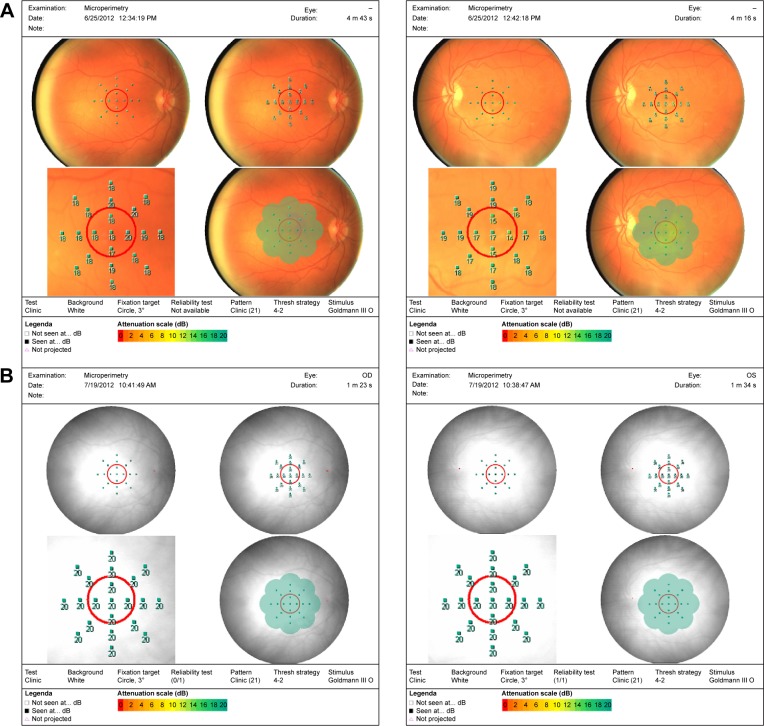
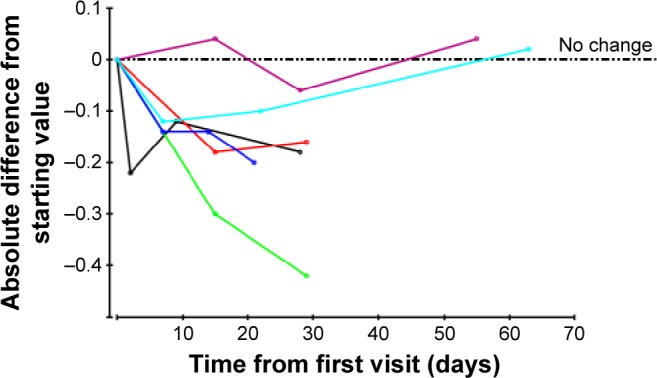
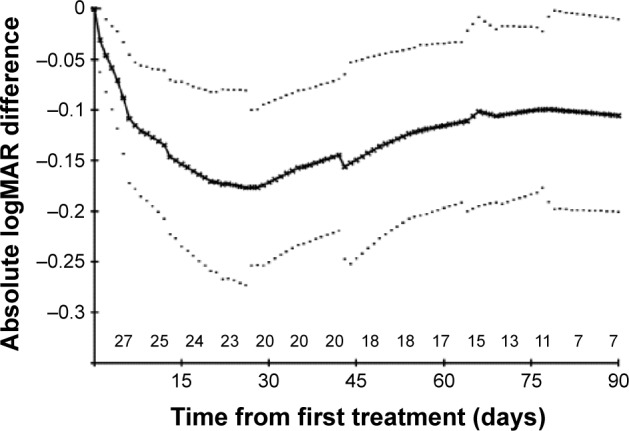
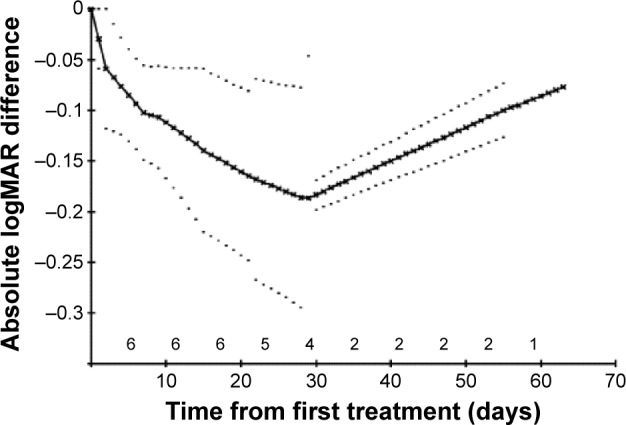
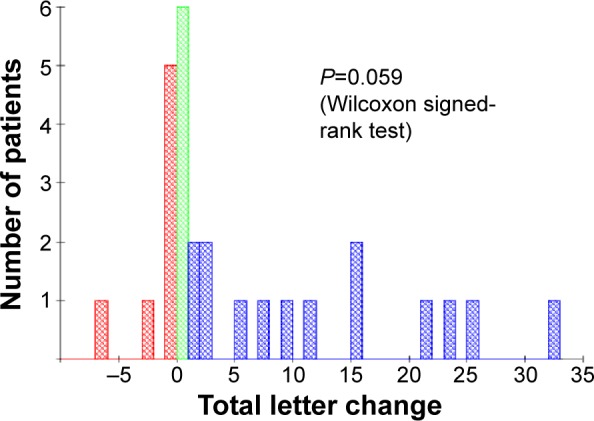
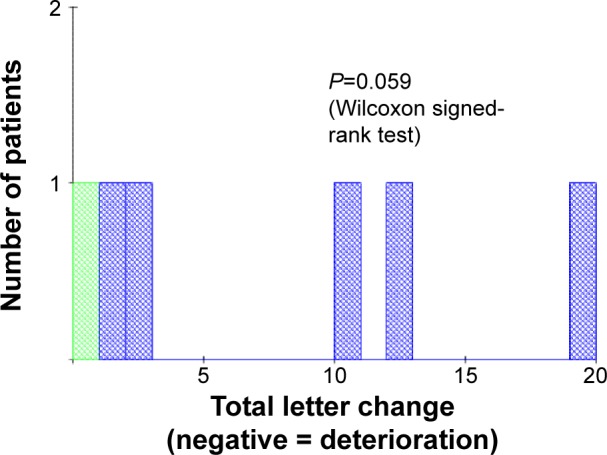
Significant increases were seen in VA in DAMD (P=0.012, Wilcoxon one-sample test), but in WAMD, improvements did not reach statistical significance (P=0.059). In DAMD eyes, twice as many patients showed increase in VA (52%) compared to those showing deterioration (26%), with improvements being often sizeable, whereas deteriorations were usually very slight. In WAMD eyes, five of six (83%) patients showed an increase and none showed deterioration.
The substantial changes observed over this period, combined with continued improvement for patients who continued treatment once a month, are encouraging for future studies. The changes observed indicate the potential efficacy of microcurrent to delay degeneration and possibly improve age-related macular degeneration, both wet and dry. However, this study has no control arm, so results should be treated with caution. Randomized double-blind controlled studies are needed to determine long-term effects.
确定经皮(经睑)微电流刺激应用于延缓干性和湿性黄斑变性进展或改善干性和湿性黄斑变性患者视力的安全性和有效性。
在两个眼科护理中心选取了17名年龄在67至95岁之间、平均年龄83岁的患者,进行为期3个月的研究。其中有25只眼睛患有干性年龄相关性黄斑变性(DAMD),6只眼睛患有湿性年龄相关性黄斑变性(WAMD)。采用经睑方式进行频率特异性微电流刺激,使用两个可编程双通道微电流装置,以150微安的脉冲微电流每周一次,每次持续35分钟。所选的频率对基于靶向受该疾病影响的组织,并结合针对疾病进程的频率。在每次治疗前后测量早期糖尿病视网膜病变研究或斯内伦视力(VA)。所有治疗均在临床环境中进行。
DAMD患者的VA有显著提高(P = 0.012,Wilcoxon单样本检验),但在WAMD患者中,改善未达到统计学显著性(P = 0.059)。在DAMD眼中,视力提高的患者数量是视力下降患者的两倍(52% 对26%),改善通常较为显著,而下降通常非常轻微。在WAMD眼中,6名患者中有5名(83%)视力提高,无患者视力下降。
在此期间观察到的显著变化,以及继续每月接受一次治疗的患者持续改善的情况,对未来研究具有鼓舞作用。观察到的变化表明微电流有可能延缓变性,并可能改善干性和湿性年龄相关性黄斑变性。然而,本研究没有对照组,因此结果应谨慎对待。需要进行随机双盲对照研究来确定长期效果。