Davies Mark R, Wang Ken, Mirams Gary R, Caruso Antonello, Noble Denis, Walz Antje, Lavé Thierry, Schuler Franz, Singer Thomas, Polonchuk Liudmila
QT-Informatics, Macclesfield, UK.
Roche Pharmaceutical Research and Early Development, Pharmaceutical Sciences, Roche Innovation Center Basel, Switzerland.
Drug Discov Today. 2016 Jun;21(6):924-38. doi: 10.1016/j.drudis.2016.02.003. Epub 2016 Feb 15.
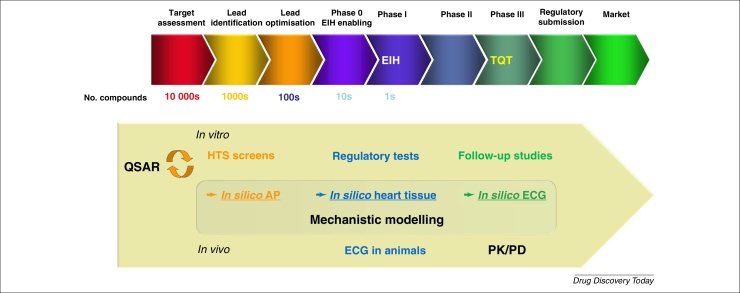
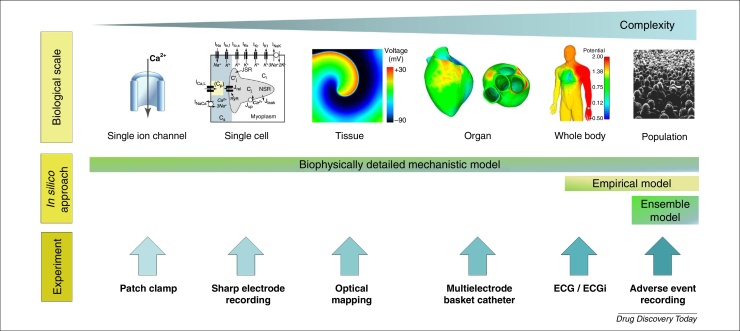
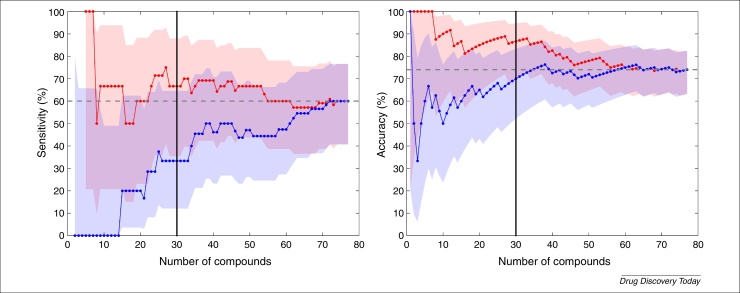
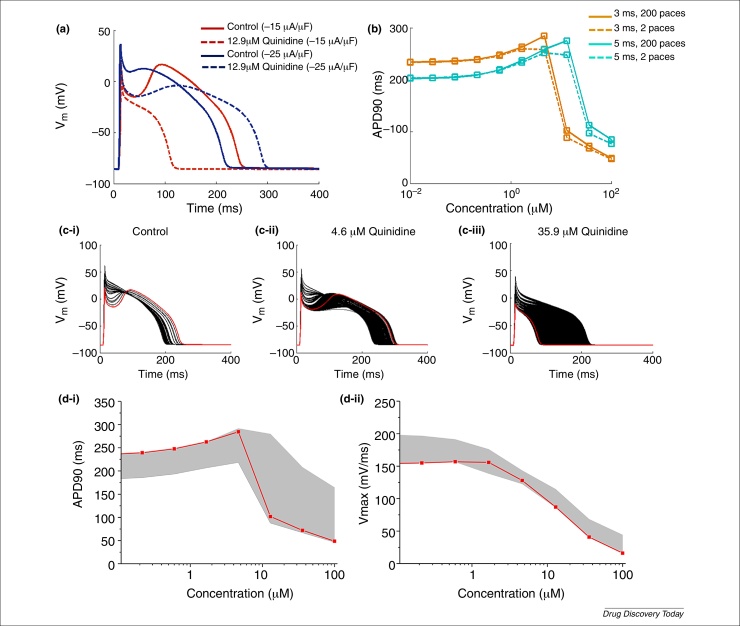
On the tenth anniversary of two key International Conference on Harmonisation (ICH) guidelines relating to cardiac proarrhythmic safety, an initiative aims to consider the implementation of a new paradigm that combines in vitro and in silico technologies to improve risk assessment. The Comprehensive In Vitro Proarrhythmia Assay (CiPA) initiative (co-sponsored by the Cardiac Safety Research Consortium, Health and Environmental Sciences Institute, Safety Pharmacology Society and FDA) is a bold and welcome step in using computational tools for regulatory decision making. This review compares and contrasts the state-of-the-art tools from empirical to mechanistic models of cardiac electrophysiology, and how they can and should be used in combination with experimental tests for compound decision making.
在两项与心脏促心律失常安全性相关的关键国际协调会议(ICH)指南发布十周年之际,一项倡议旨在考虑实施一种新范式,该范式结合体外和计算机模拟技术以改进风险评估。全面体外促心律失常试验(CiPA)倡议(由心脏安全研究联盟、健康与环境科学研究所、安全药理学协会和美国食品药品监督管理局共同发起)是在将计算工具用于监管决策方面迈出的大胆且值得欢迎的一步。本综述比较并对比了从心脏电生理学的经验模型到机制模型的最新技术工具,以及它们如何能够且应该与化合物决策的实验测试相结合使用。