Shearer Peter W, West Jessica D, Walton Vaughn M, Brown Preston H, Svetec Nicolas, Chiu Joanna C
Mid-Columbia Agricultural Research and Extension Center, Oregon State University, 3005 Experiment Station Drive, Hood River, OR, 97331, USA.
Department of Entomology and Nematology, University of California, Davis, CA, 95616, USA.
BMC Ecol. 2016 Mar 22;16:11. doi: 10.1186/s12898-016-0070-3.
As global climate change and exponential human population growth intensifies pressure on agricultural systems, the need to effectively manage invasive insect pests is becoming increasingly important to global food security. Drosophila suzukii is an invasive pest that drastically expanded its global range in a very short time since 2008, spreading to most areas in North America and many countries in Europe and South America. Preliminary ecological modeling predicted a more restricted distribution and, for this reason, the invasion of D. suzukii to northern temperate regions is especially unexpected. Investigating D. suzukii phenology and seasonal adaptations can lead to a better understanding of the mechanisms through which insects express phenotypic plasticity, which likely enables invasive species to successfully colonize a wide range of environments.
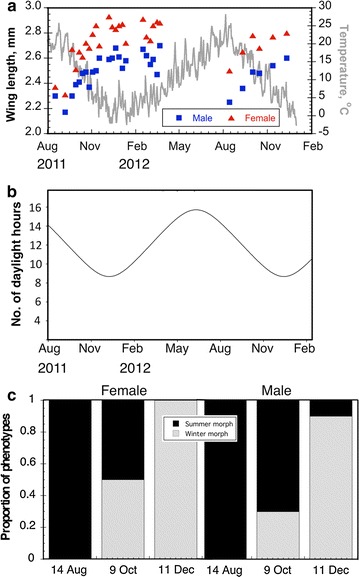
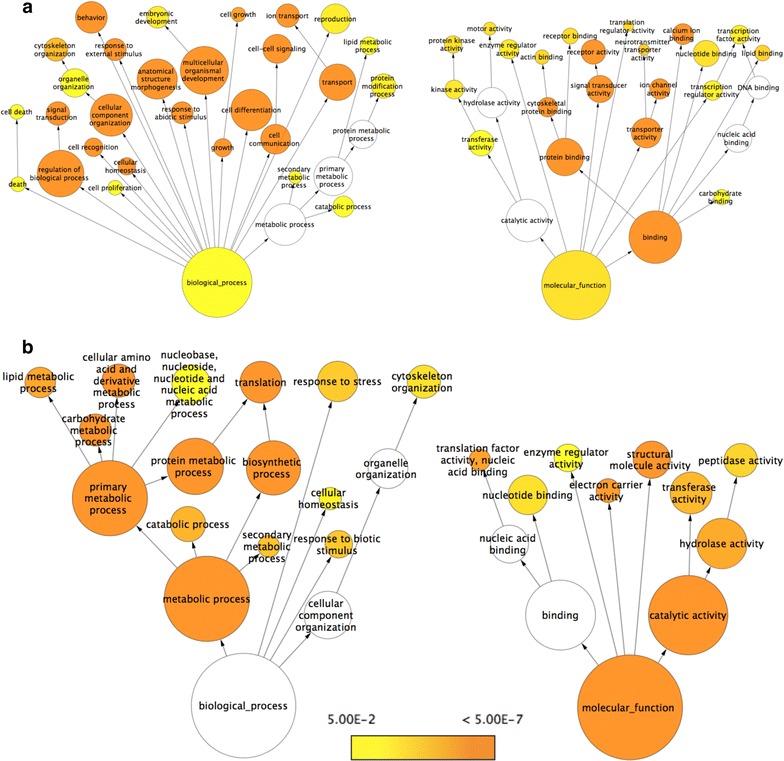
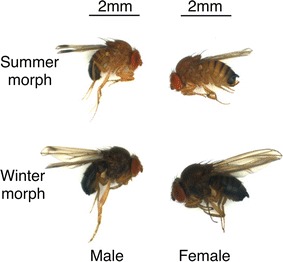
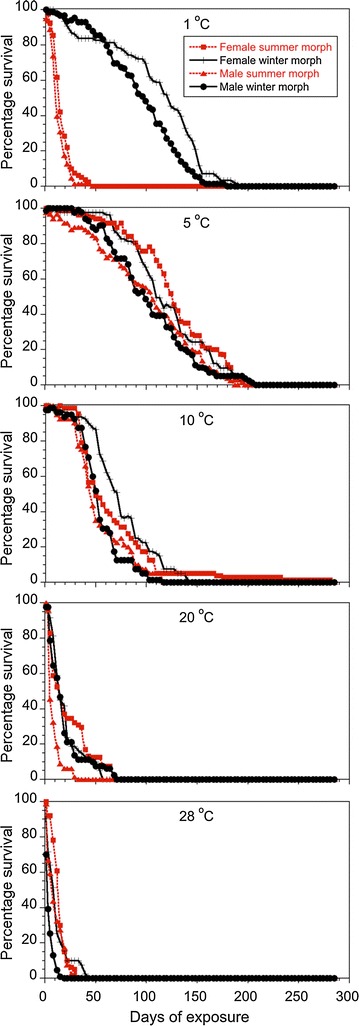
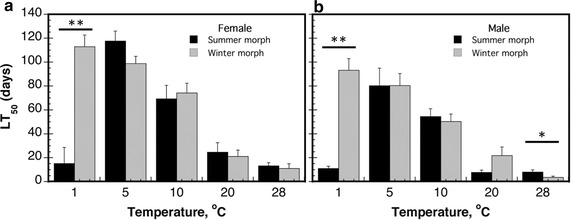
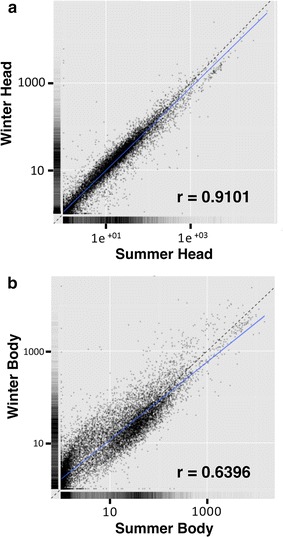
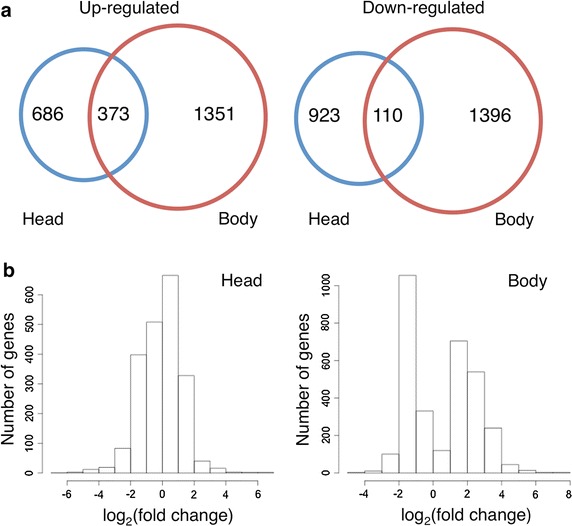
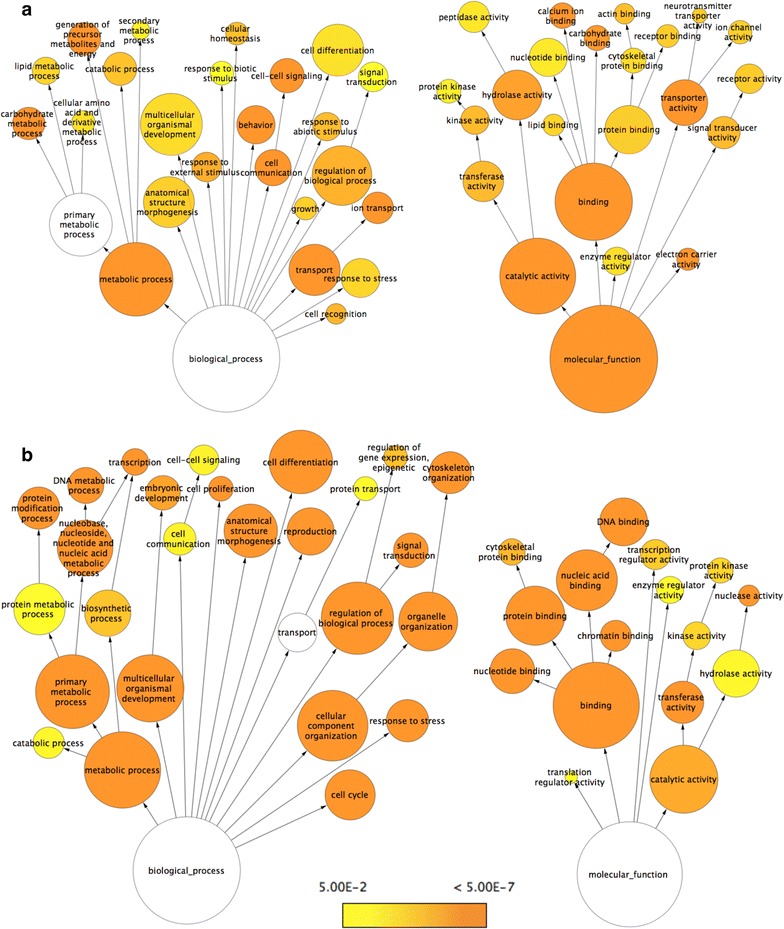
We describe seasonal phenotypic plasticity in field populations of D. suzukii. Specifically, we observed a trend of higher proportions of flies with the winter morph phenotype, characterized by darker pigmentation and longer wing length, as summer progresses to winter. A laboratory-simulated winter photoperiod and temperature (12:12 L:D and 10 °C) were sufficient to induce the winter morph phenotype in D. suzukii. This winter morph is associated with increased survival at 1 °C when compared to the summer morph, thus explaining the ability of D. suzukii to survive cold winters. We then used RNA sequencing to identify gene expression differences underlying seasonal differences in D. suzukii physiology. Winter morph gene expression is consistent with known mechanisms of cold-hardening such as adjustments to ion transport and up-regulation of carbohydrate metabolism. In addition, transcripts involved in oogenesis and DNA replication were down-regulated in the winter morph, providing the first molecular evidence of a reproductive diapause in D. suzukii.
To date, D. suzukii cold resistance studies suggest that this species cannot overwinter in northern locations, e.g. Canada, even though they are established pests in these regions. Combining physiological investigations with RNA sequencing, we present potential mechanisms by which D. suzukii can overwinter in these regions. This work may contribute to more accurate population models that incorporate seasonal variation in physiological parameters, leading to development of better management strategies.
随着全球气候变化和人口呈指数级增长,农业系统面临的压力不断加大,有效管理入侵害虫对全球粮食安全变得愈发重要。铃木氏果蝇是一种入侵害虫,自2008年以来在极短时间内其全球分布范围急剧扩大,蔓延至北美大部分地区以及欧洲和南美洲的许多国家。初步生态模型预测其分布范围会更有限,因此,铃木氏果蝇入侵北温带地区尤其出人意料。研究铃木氏果蝇的物候学和季节性适应能够增进对昆虫表现出表型可塑性机制的理解,而表型可塑性可能使入侵物种成功定殖于广泛的环境中。
我们描述了铃木氏果蝇野外种群的季节性表型可塑性。具体而言,我们观察到随着夏季向冬季推进,具有冬季形态表型(特征为色素沉着更深和翅长更长)的果蝇比例呈上升趋势。实验室模拟的冬季光周期和温度(12:12光:暗和10°C)足以诱导铃木氏果蝇出现冬季形态表型。与夏季形态相比,这种冬季形态与在1°C时存活率增加有关,从而解释了铃木氏果蝇在寒冷冬季存活的能力。然后,我们使用RNA测序来确定铃木氏果蝇生理季节性差异背后的基因表达差异。冬季形态的基因表达与已知的耐寒机制一致,如离子转运的调整和碳水化合物代谢的上调。此外,参与卵子发生和DNA复制的转录本在冬季形态中下调,这为铃木氏果蝇的生殖滞育提供了首个分子证据。
迄今为止,铃木氏果蝇的抗寒研究表明,尽管它们在加拿大等北方地区已是定殖害虫,但该物种无法在这些地区越冬。通过将生理学研究与RNA测序相结合,我们提出了铃木氏果蝇能够在这些地区越冬的潜在机制。这项工作可能有助于建立更准确的种群模型,纳入生理参数的季节性变化,从而制定出更好的管理策略。