Winter Werner, Klein Daniel, Karl Matthias
Department of Mechanical Engineering, University of Erlangen-Nuremberg, Egerlandstraße 5, 91058 Erlangen, Germany.
Department of Prosthodontics, University of Erlangen-Nuremberg, Glueckstraße 11, 91054 Erlangen, Germany.
J Med Eng. 2013;2013:265412. doi: 10.1155/2013/265412. Epub 2012 Nov 20.
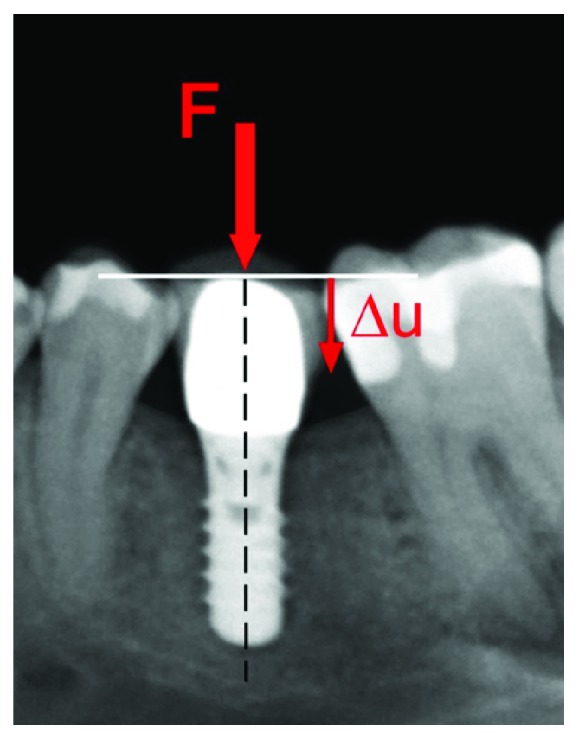
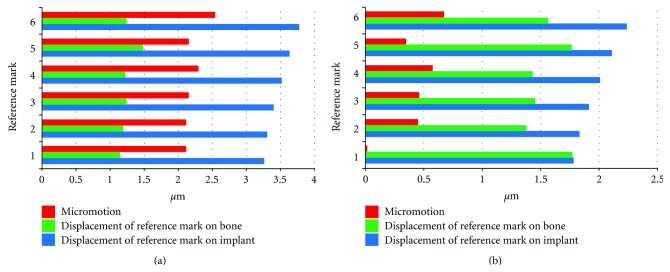
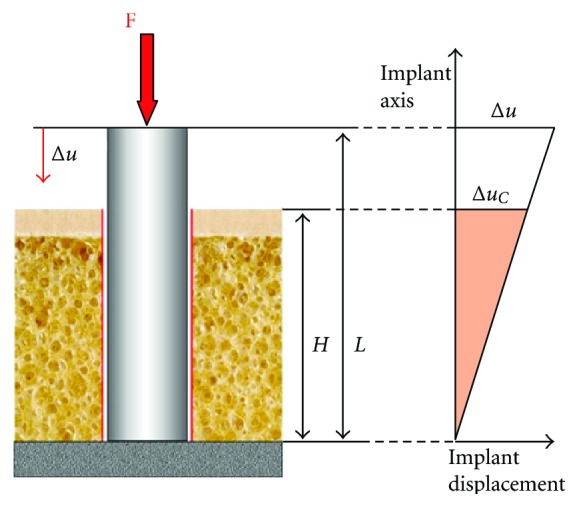
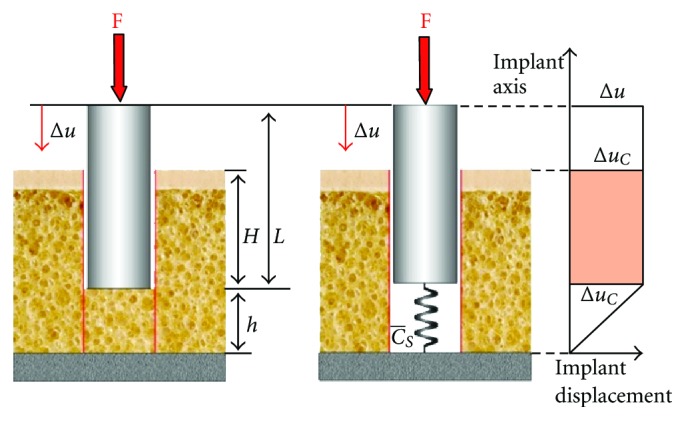
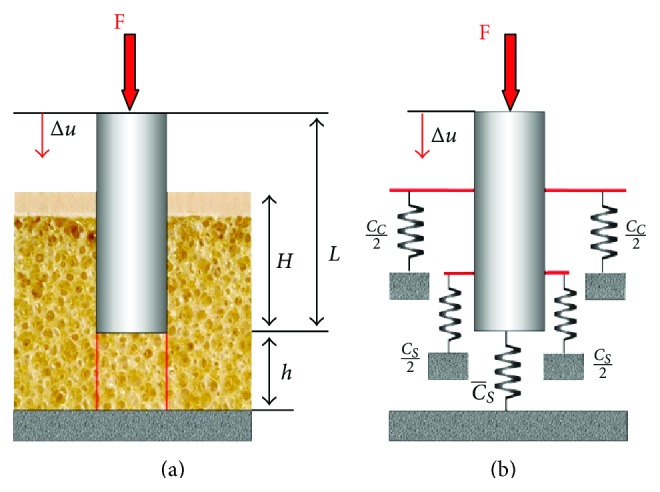
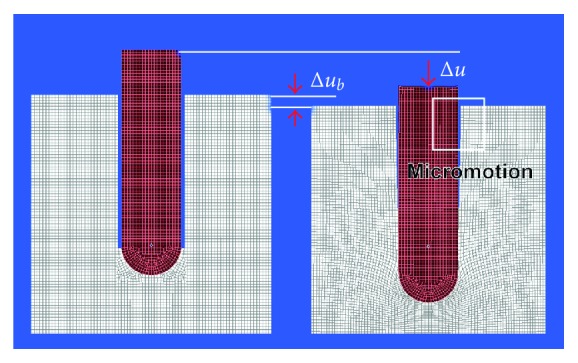
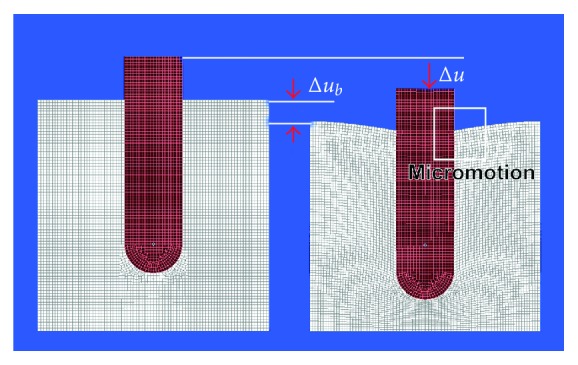
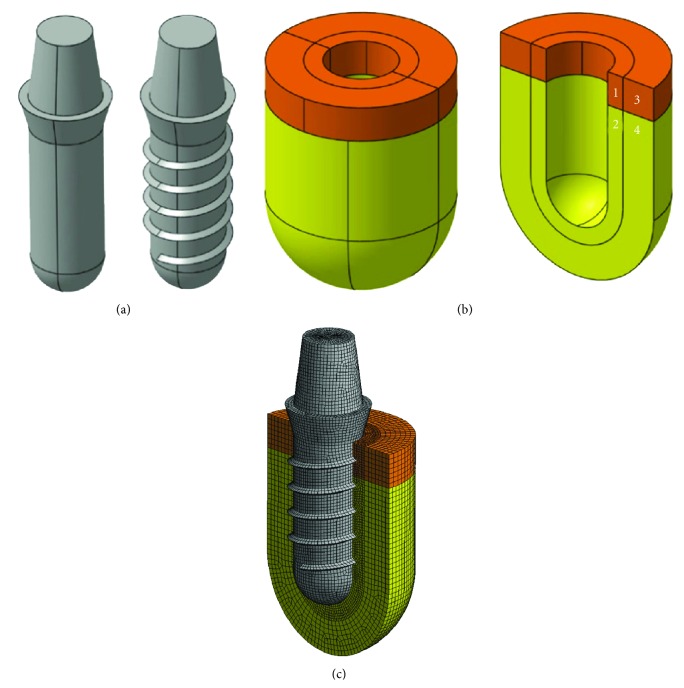
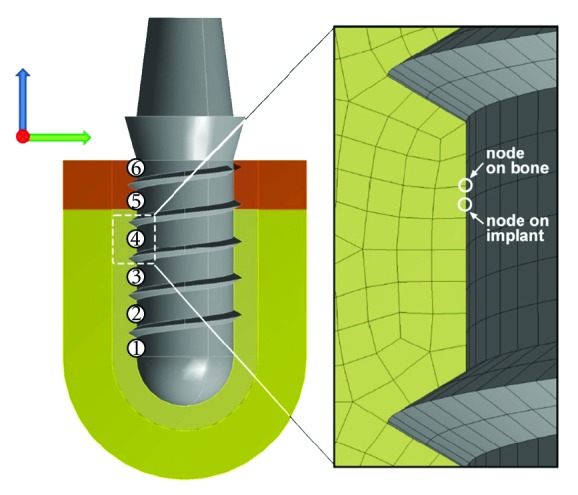
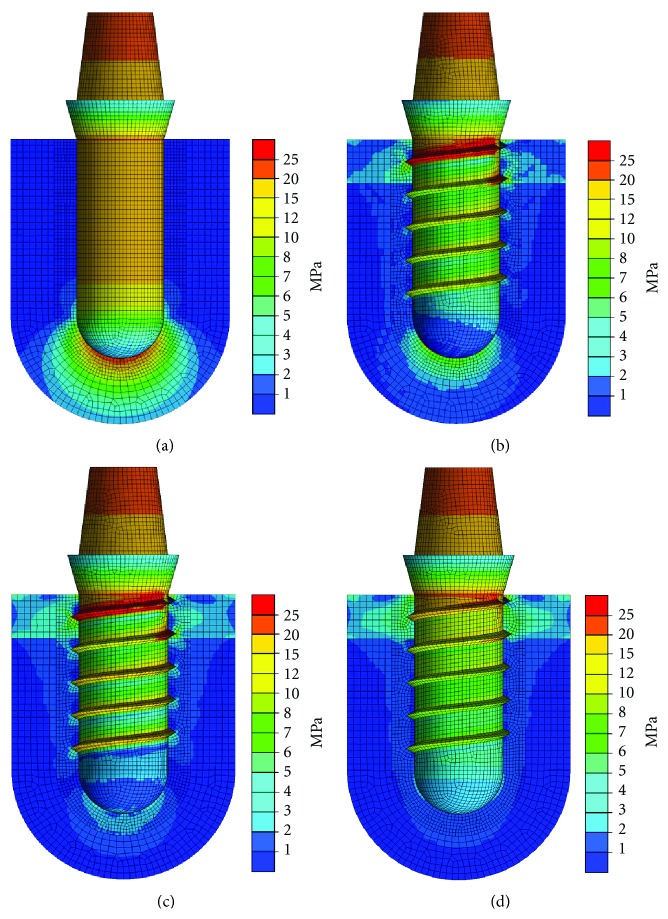
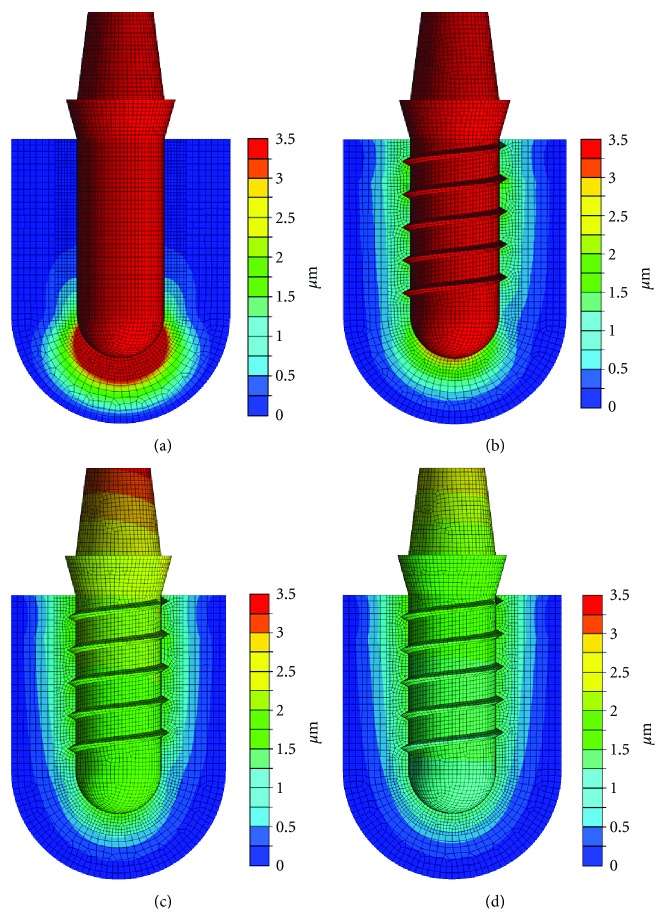
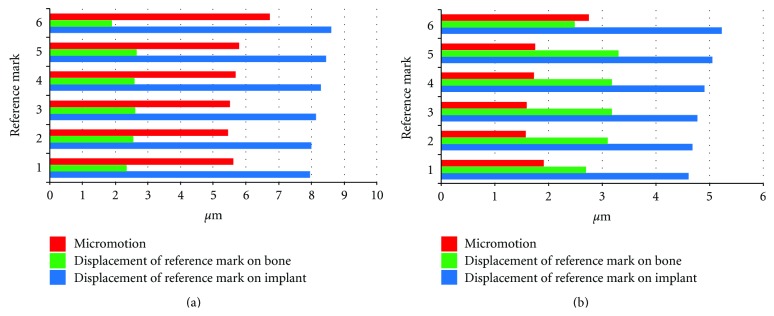
Micromotion of dental implants may interfere with the process of osseointegration. Using three different types of virtual biomechanical models, varying contact types between implant and bone were simulated, and implant deformation, bone deformation, and stress at the implant-bone interface were recorded under an axial load of 200 N, which reflects a common biting force. Without friction between implant and bone, a symmetric loading situation of the bone with maximum loading and displacement at the apex of the implant was recorded. The addition of threads led to a decrease in loading and displacement at the apical part, but loading and displacement were also observed at the vertical walls of the implants. Introducing friction between implant and bone decreased global displacement. In a force fit situation, load transfer predominantly occurred in the cervical area of the implant. For freshly inserted implants, micromotion was constant along the vertical walls of the implant, whereas, for osseointegrated implants, the distribution of micromotion depended on the location. In the cervical aspect some minor micromotion in the range of 0.75 μm could be found, while at the most apical part almost no relative displacement between implant and bone occurred.
牙种植体的微动可能会干扰骨结合过程。使用三种不同类型的虚拟生物力学模型,模拟种植体与骨之间不同的接触类型,并在200 N的轴向载荷(反映常见咬合力)下记录种植体变形、骨变形以及种植体-骨界面处的应力。在种植体与骨之间无摩擦的情况下,记录到骨的对称加载情况,种植体顶端出现最大加载和位移。添加螺纹导致顶端部分的加载和位移减小,但在种植体的垂直壁处也观察到加载和位移。在种植体与骨之间引入摩擦会减小整体位移。在压入配合的情况下,载荷主要在种植体的颈部区域传递。对于刚植入的种植体,微动沿种植体垂直壁是恒定的,而对于骨结合的种植体,微动分布取决于位置。在颈部方面,可发现一些范围为0.75μm的微小微动,而在最顶端部分,种植体与骨之间几乎没有相对位移。