Gjini Erida, Brito Patricia H
Instituto Gulbenkian de Ciência, Oeiras, Portugal.
Nova Medical School, Faculdade de Ciências Médicas, Universidade Nova de Lisboa, Lisbon, Portugal.
PLoS Comput Biol. 2016 Apr 14;12(4):e1004857. doi: 10.1371/journal.pcbi.1004857. eCollection 2016 Apr.
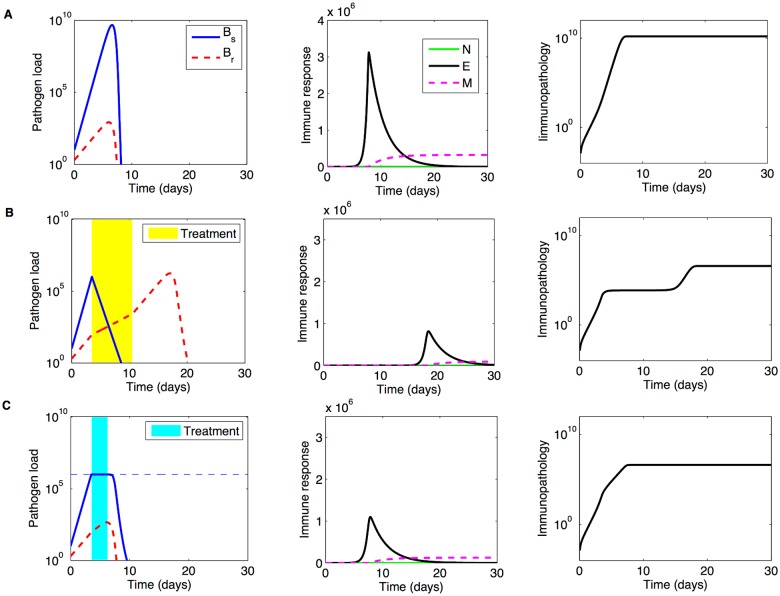
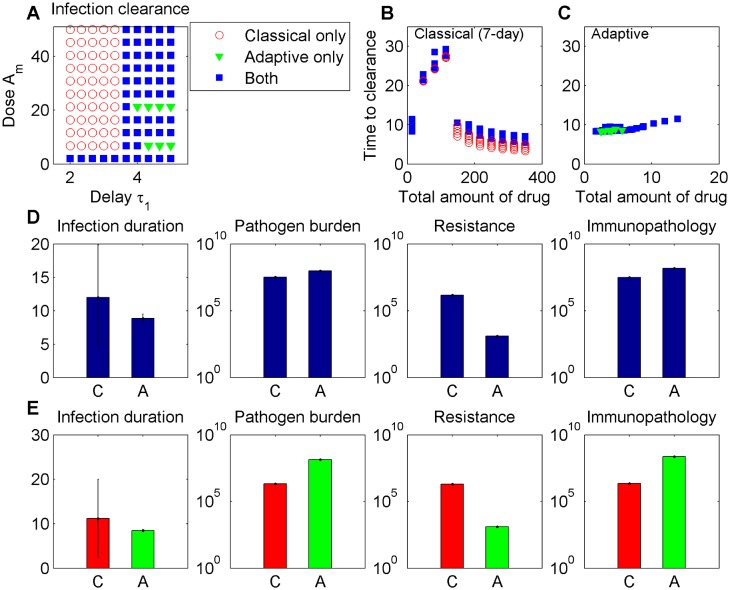
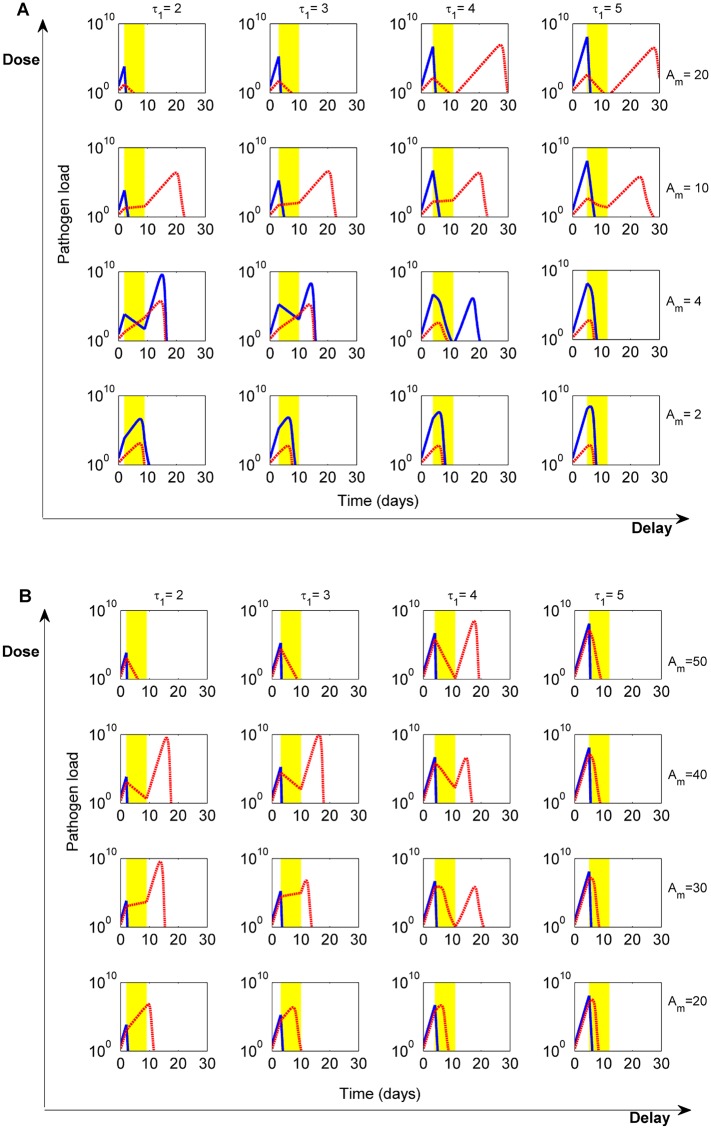
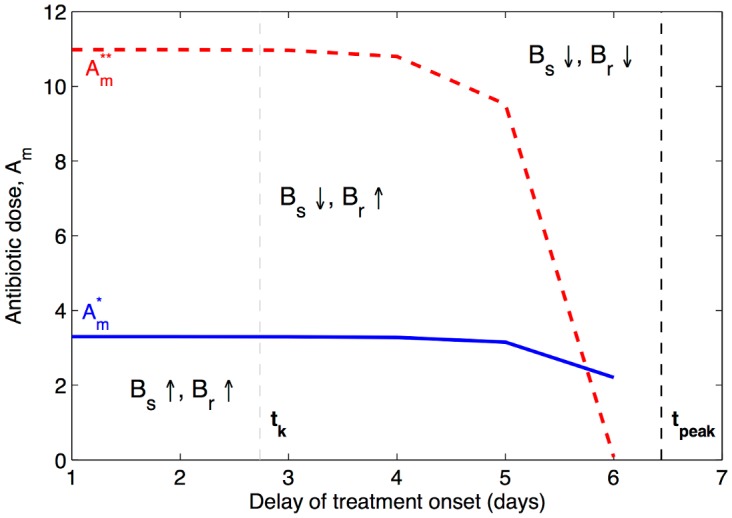
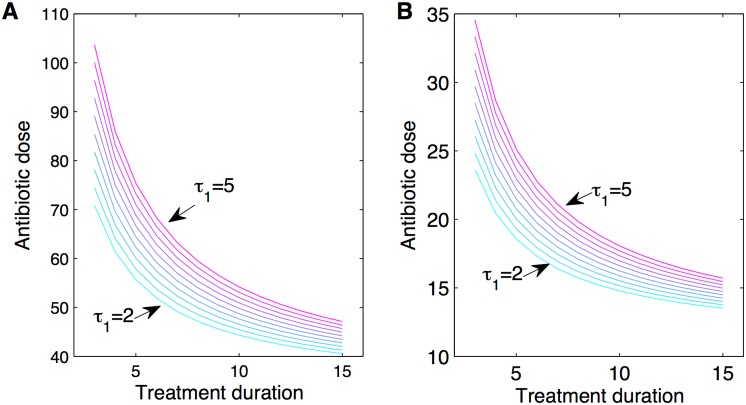
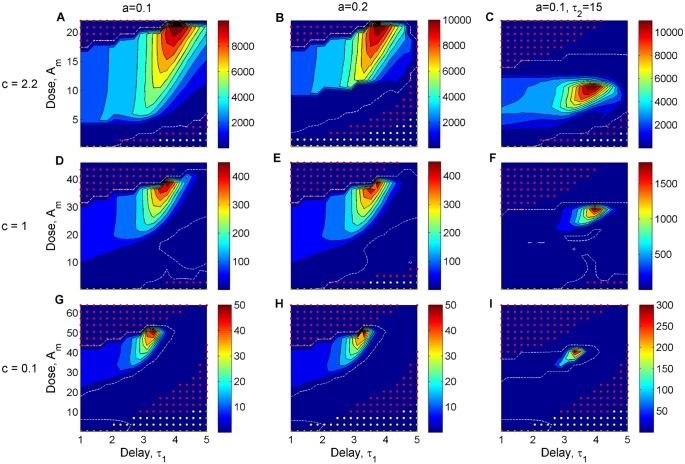
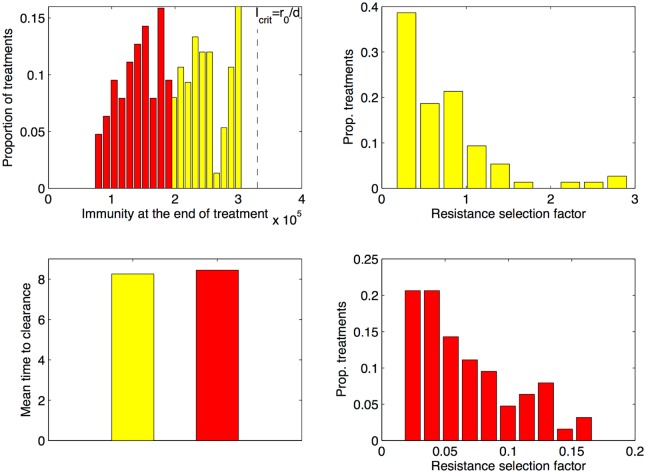
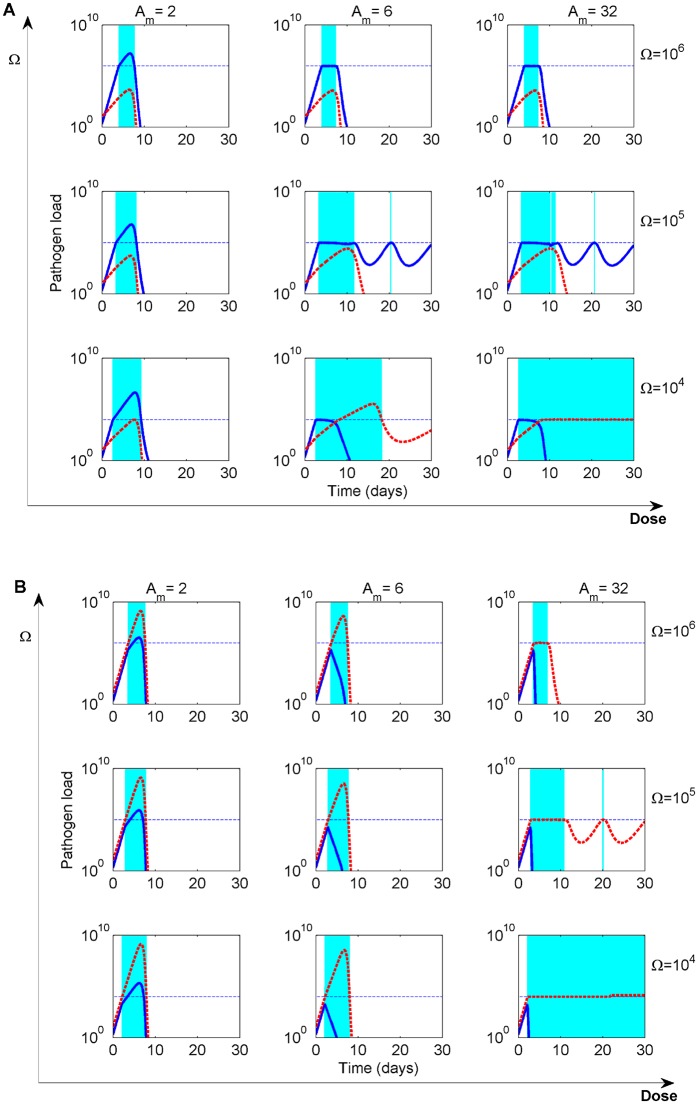
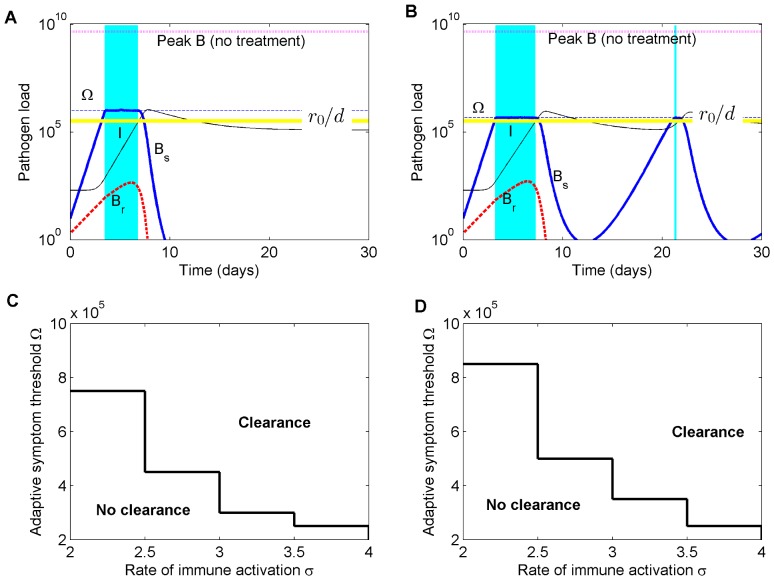
Antimicrobial resistance of infectious agents is a growing problem worldwide. To prevent the continuing selection and spread of drug resistance, rational design of antibiotic treatment is needed, and the question of aggressive vs. moderate therapies is currently heatedly debated. Host immunity is an important, but often-overlooked factor in the clearance of drug-resistant infections. In this work, we compare aggressive and moderate antibiotic treatment, accounting for host immunity effects. We use mathematical modelling of within-host infection dynamics to study the interplay between pathogen-dependent host immune responses and antibiotic treatment. We compare classical (fixed dose and duration) and adaptive (coupled to pathogen load) treatment regimes, exploring systematically infection outcomes such as time to clearance, immunopathology, host immunization, and selection of resistant bacteria. Our analysis and simulations uncover effective treatment strategies that promote synergy between the host immune system and the antimicrobial drug in clearing infection. Both in classical and adaptive treatment, we quantify how treatment timing and the strength of the immune response determine the success of moderate therapies. We explain key parameters and dimensions, where an adaptive regime differs from classical treatment, bringing new insight into the ongoing debate of resistance management. Emphasizing the sensitivity of treatment outcomes to the balance between external antibiotic intervention and endogenous natural defenses, our study calls for more empirical attention to host immunity processes.
感染病原体的抗菌耐药性在全球范围内是一个日益严重的问题。为防止耐药性的持续选择和传播,需要合理设计抗生素治疗方案,目前关于积极治疗与适度治疗的问题正在激烈辩论。宿主免疫是清除耐药感染的一个重要但常被忽视的因素。在这项工作中,我们比较了积极和适度的抗生素治疗,并考虑了宿主免疫效应。我们使用宿主内感染动态的数学模型来研究病原体依赖的宿主免疫反应与抗生素治疗之间的相互作用。我们比较了经典(固定剂量和持续时间)和适应性(与病原体载量耦合)治疗方案,系统地探索了感染结果,如清除时间、免疫病理学、宿主免疫以及耐药细菌的选择。我们的分析和模拟揭示了在清除感染过程中促进宿主免疫系统与抗菌药物协同作用的有效治疗策略。在经典治疗和适应性治疗中,我们都量化了治疗时机和免疫反应强度如何决定适度治疗的成功。我们解释了适应性方案与经典治疗不同的关键参数和维度,为正在进行的耐药性管理辩论带来了新的见解。我们的研究强调了治疗结果对外部抗生素干预和内源性自然防御之间平衡的敏感性,呼吁更多地从实证角度关注宿主免疫过程。