Ladero Victor, Gómez-Sordo Carolina, Sánchez-Llana Esther, Del Rio Beatriz, Redruello Begoña, Fernández María, Martín M Cruz, Alvarez Miguel A
Department of Technology and Biotechnology of Dairy Products, Dairy Research Institute, Instituto de Productos Lácteos de Asturias - Consejo Superior de Investigaciones Científicas (IPLA-CSIC) Villaviciosa, Spain.
Front Microbiol. 2016 Apr 5;7:445. doi: 10.3389/fmicb.2016.00445. eCollection 2016.
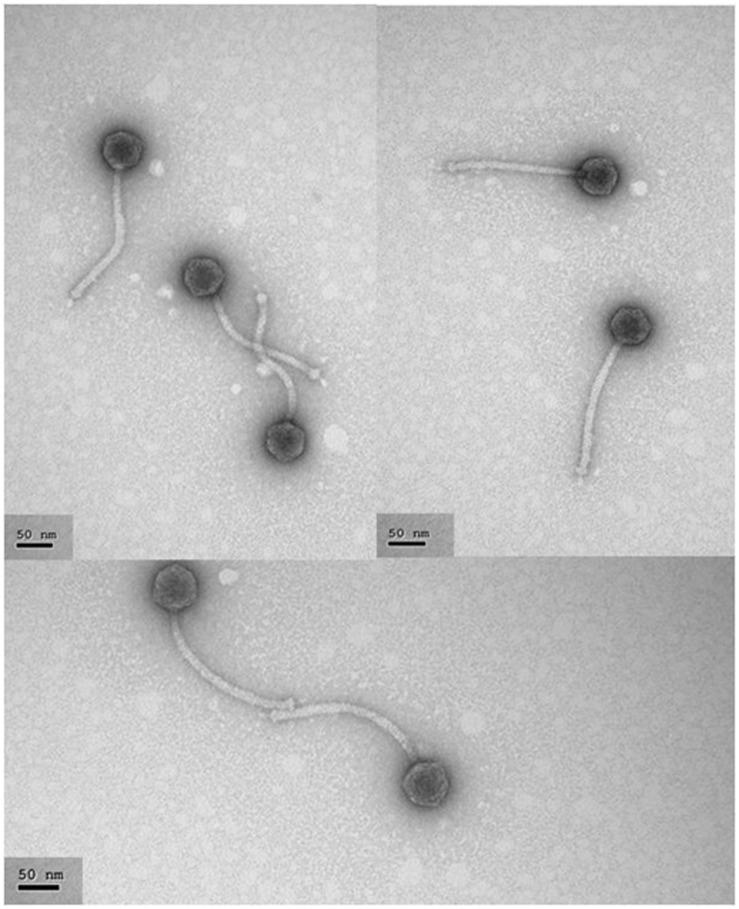
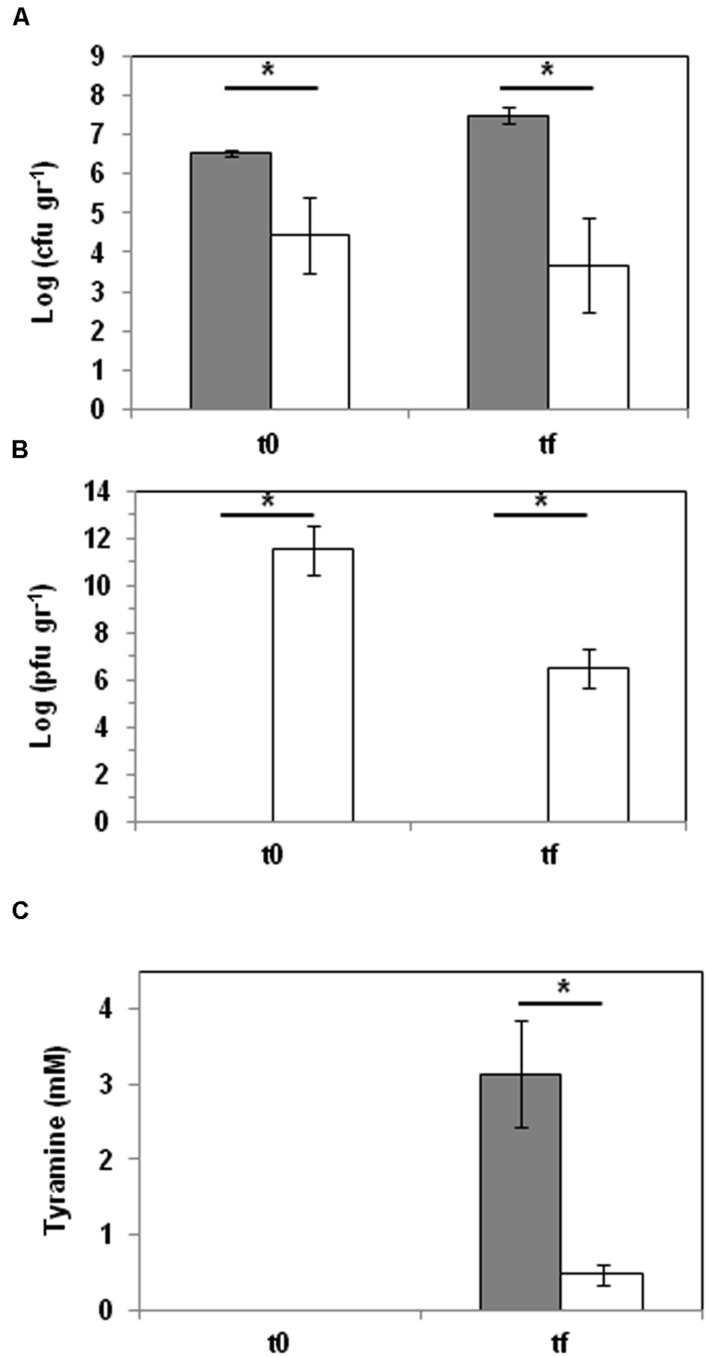
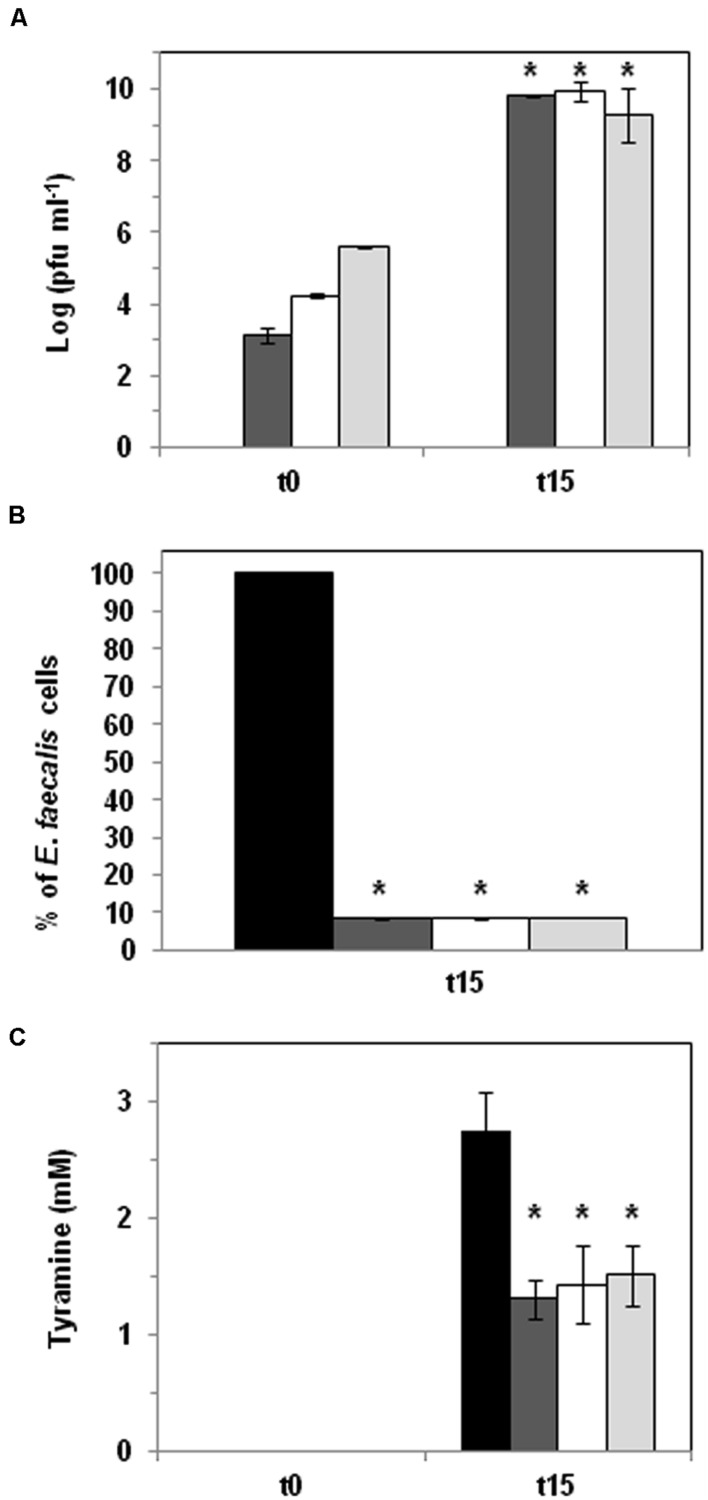
Biogenic amines (BAs) are low molecular weight nitrogenous compounds with biological activity, formed from amino acids by decarboxylation. BAs are naturally present in all living organisms playing essential roles. However, their accumulation in food through the metabolic activity of certain microorganisms constitutes a toxicological hazard. Among foods, cheeses accumulate some of the highest concentrations of BAs since they provide an ideal environment for their accumulation. Most of the methods proposed for reducing BAs in cheese, such as milk pasteurization, have not only failed to completely solve the problem, they also affect non-BA producing lactic acid bacteria, i.e., the bacteria that participate in the development of the organoleptic characteristics of cheese. Novel technologies specifically targeted against BA producers are therefore needed to control BA accumulation. Bacteriophages have been proposed as agents for specifically controlling the presence of foodborne pathogens in food. Due to its specificity, they could be used as a biotechnological tool targeted to reduce the population of BA-producing bacteria. The present work reports the isolation, from cheese, and the characterization of bacteriophage Q69, which infects specifically Enterococcus faecalis, the species mainly responsible of the accumulation of the BA tyramine in foods. Furthermore, its capacity to reduce the accumulation of tyramine in different conditions -including a model cheese- was proven. The obtained results open up the possibility of use bacteriophages to prevent BA accumulation in fermented foods.
生物胺(BAs)是一类具有生物活性的低分子量含氮化合物,由氨基酸通过脱羧作用形成。生物胺天然存在于所有生物体内并发挥着重要作用。然而,某些微生物的代谢活动导致它们在食物中积累,构成了毒理学危害。在各类食物中,奶酪积累的生物胺浓度较高,因为奶酪为生物胺的积累提供了理想环境。大多数为降低奶酪中生物胺而提出的方法,如牛奶巴氏杀菌法,不仅未能完全解决问题,还会影响不产生生物胺的乳酸菌,即那些参与奶酪感官特性形成的细菌。因此,需要专门针对生物胺产生菌的新技术来控制生物胺的积累。噬菌体已被提议作为特异性控制食品中食源性病原体存在的制剂。由于其特异性,它们可用作一种生物技术工具,旨在减少产生生物胺的细菌数量。本研究报告了从奶酪中分离出噬菌体Q69并对其进行表征,该噬菌体特异性感染粪肠球菌,而粪肠球菌是食物中生物胺酪胺积累的主要 responsible 菌种。此外,还证明了它在不同条件下(包括在模拟奶酪中)减少酪胺积累的能力。所获得的结果为利用噬菌体防止发酵食品中生物胺积累开辟了可能性。